
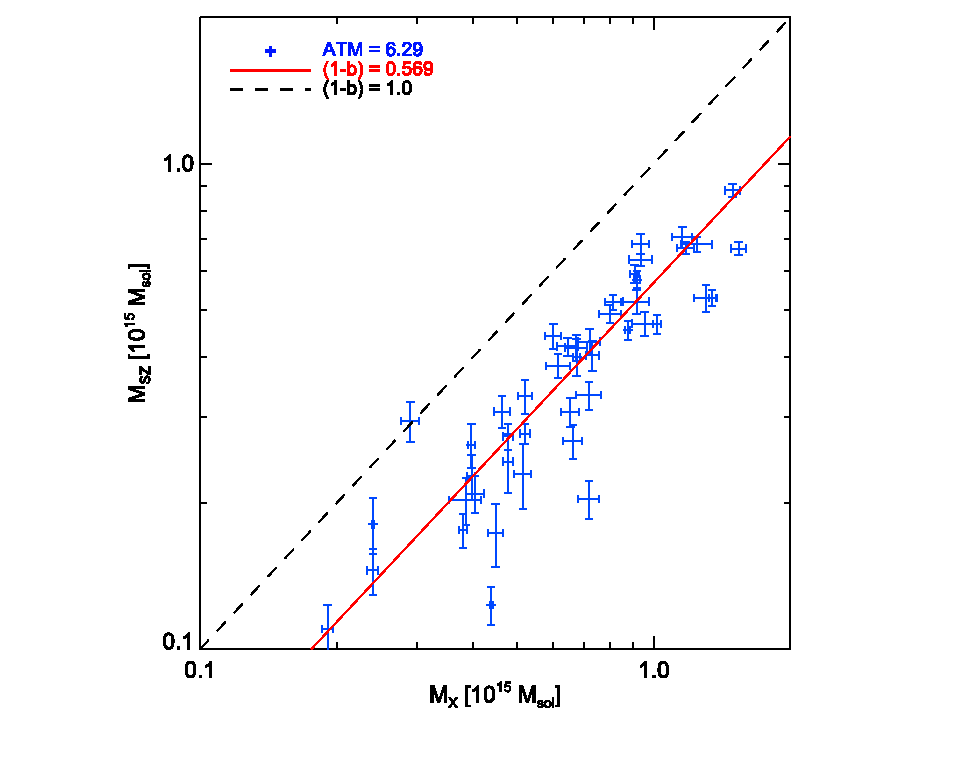
Galaxy clusters baffle cosmologists
In November 2025, ESA's Juice mission observed the interstellar comet 3I/ATLAS, a rare visitor from another stellar system.
In November 2025, ESA's Juice mission observed the interstellar comet 3I/ATLAS, a rare visitor from another stellar system.

As part of the Fête de la Science, IAS will open its doors to the public on Sunday, October 11, from 2:00 PM to 6:00 PM.
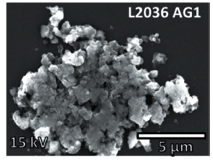
Interplanetary dust, more commonly referred to as IDPs (Interplanetary Dust Particles), consists of micrometric extraterrestrial grains (on the order of tens of microns in size) collected by NASA using stratospheric aircraft (~25 km altitude).
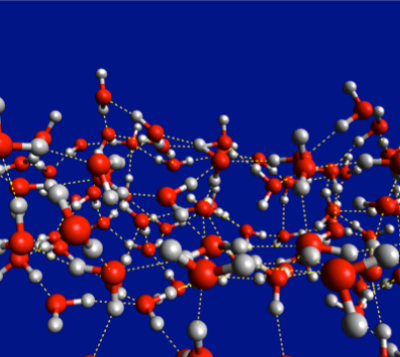
A multidisciplinary team comprising researchers from IAS, CIMAP, IPNO, GANIL, and the Pontifical Catholic University of Rio de Janeiro (PUC) has characterized in the laboratory the effect of heavy cosmic rays on the structure and sputtering of water ice in interstellar and planetary environments.
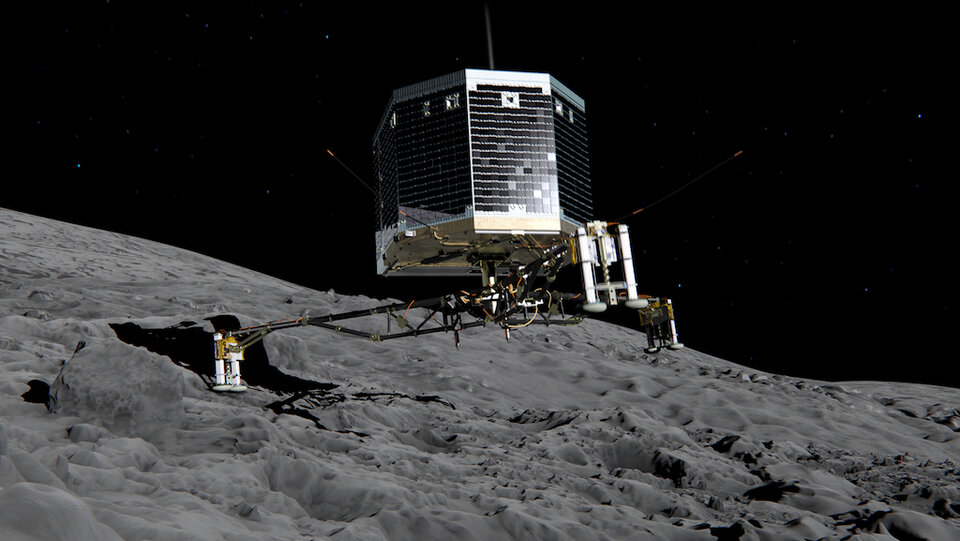
After 7 months of hibernation, Philae signaled its status twice, shortly before midnight, during the night from Saturday to Sunday and Sunday to Monday (June 13, 14, and 15, 2015).
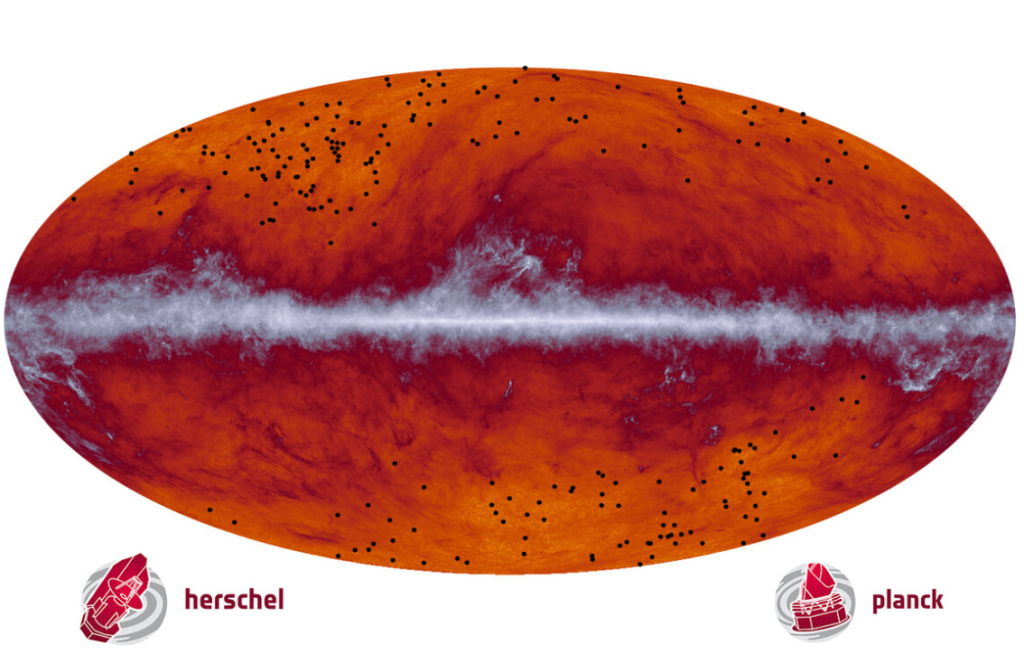
An international team, led by astrophysicists from IAS and IRAP, has used ESA's Planck and Herschel satellites to discover new and enigmatic distant galaxies forming impressive quantities of stars.
A partial solar eclipse will be visible in Orsay on the morning of Friday, March 20, 2015, from 9:21 AM to 11:39 AM (local time).
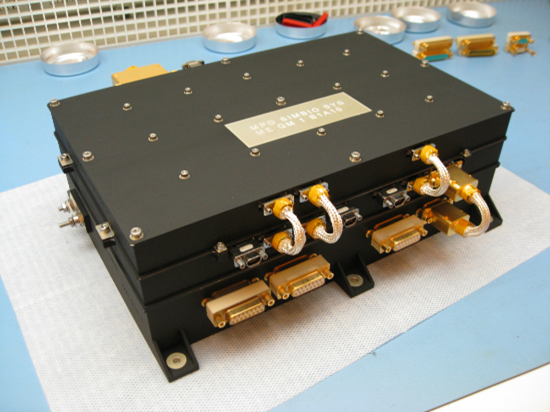
The flight model of the SIMBIO-SYS instrument for the ESA BEPI-COLOMBO mission arrived at IAS last week!
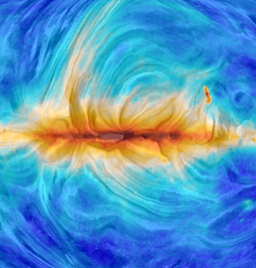
New insights into dark matter, neutrinos, the first stars, and the cosmological model: the Planck collaboration, with major participation from the Institut d'Astrophysique Spatiale, has just published nearly twenty new papers, revealing major results that will help us better understand key epochs in the history of the Universe.
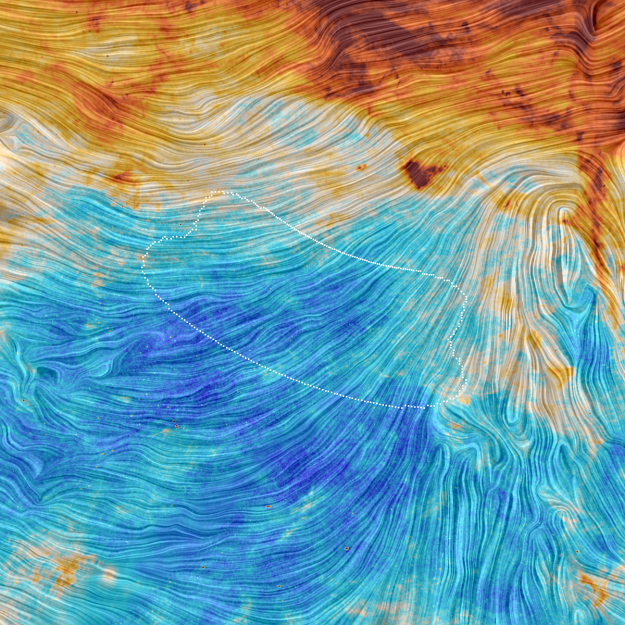
By jointly analyzing their data, the Planck and BICEP2/Keck collaborations have shown that primordial gravitational waves have not yet been detected through observations of the cosmic microwave background polarization.