
Fête de la Science 2016
As part of the Fête de la Science, IAS will open its doors to the public on Sunday, October 16, from 2:00 PM to 6:00 PM.
As part of the Fête de la Science, IAS will open its doors to the public on Sunday, October 16, from 2:00 PM to 6:00 PM.
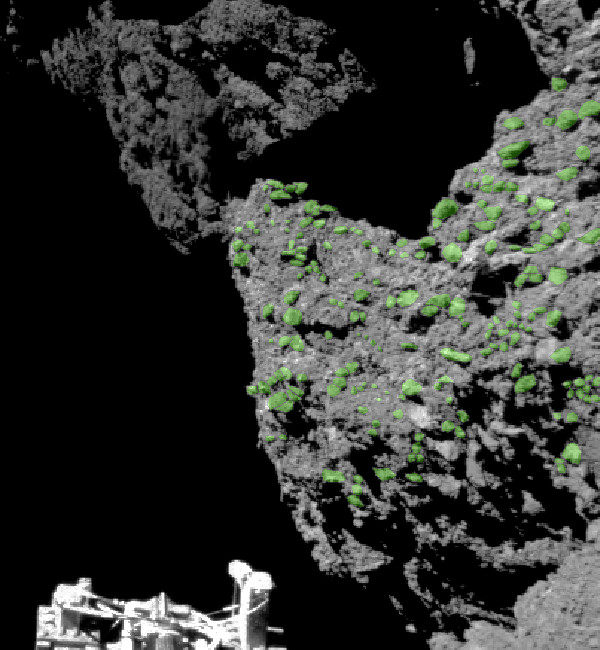
Images of the nucleus of 67P/Churyumov-Gerasimenko acquired by the CIVA cameras aboard Philae revealed a unique, unexpected, highly irregular landscape dominated by consolidated materials.
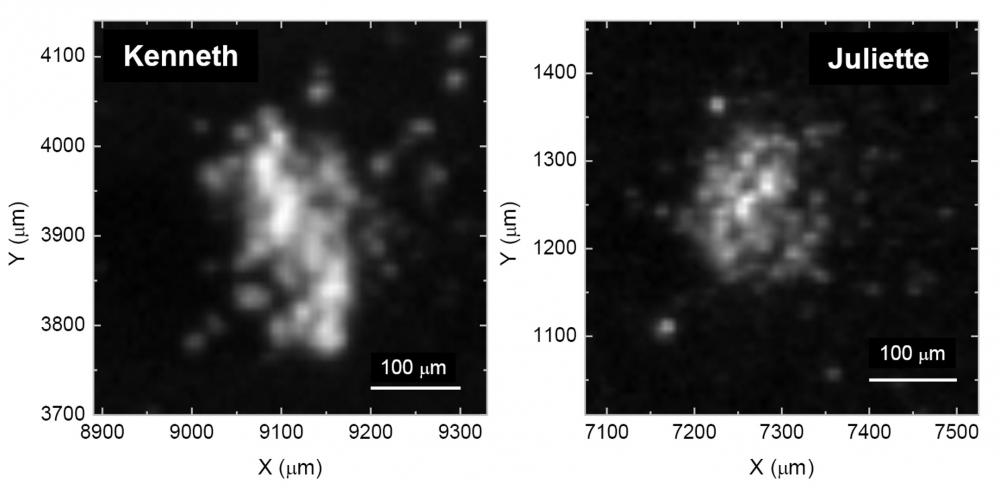
Just weeks before the end of the Rosetta mission and following the analysis of several months of data collected by COSIMA—a mass spectrometer aboard the Rosetta spacecraft—the scientific team formed around this instrument has provided evidence of a macromolecular organic component in cometary dust grains.
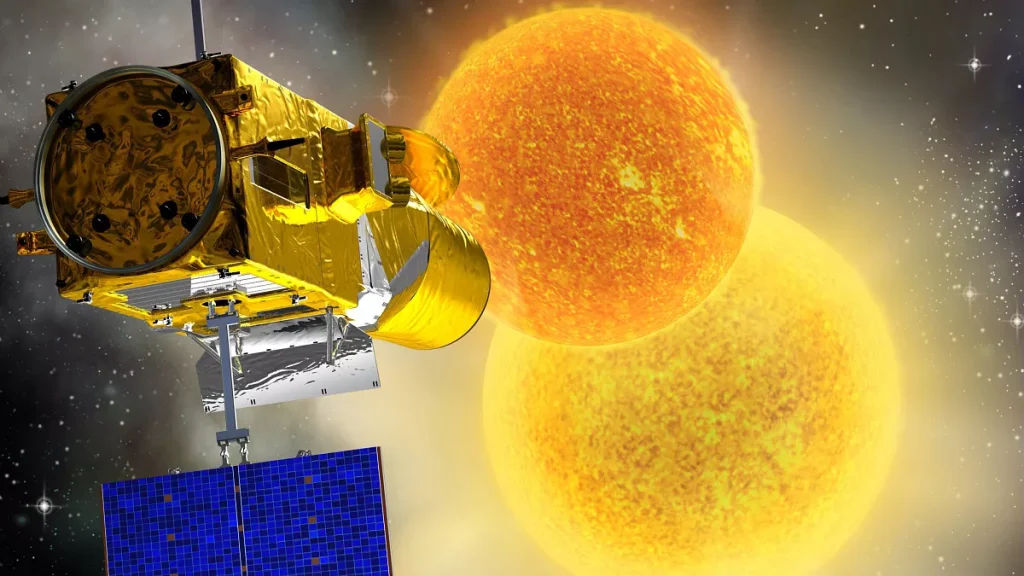
The light curves (stellar flux measurement time series) of more than 160,000 stars in our Galaxy are now available to the entire international scientific community via the mission's CoRoT archive, hosted at IAS, as well as on other mirror sites.
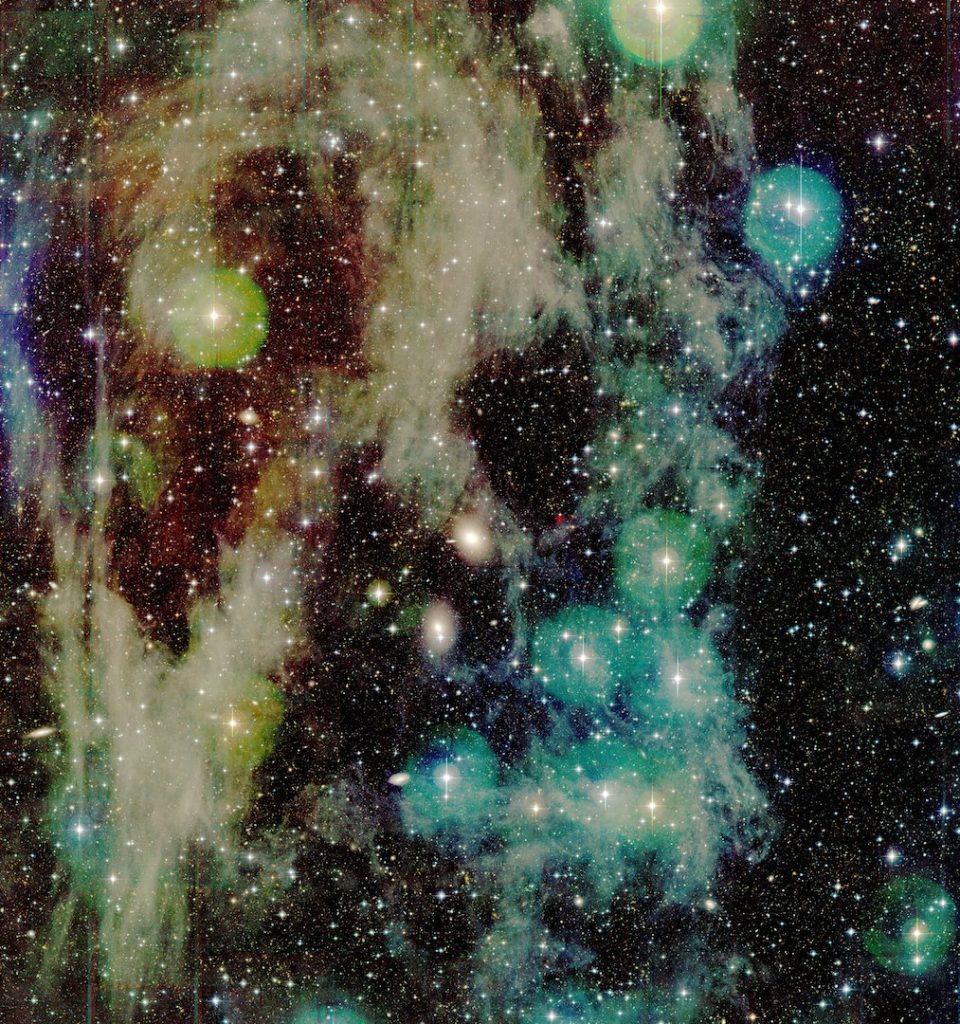
By combining space-based multi-wavelength observations from Planck and WISE with ground-based observations from CFHT, a research team has successfully probed the structure of diffuse interstellar matter across several square degrees with unprecedented resolution.
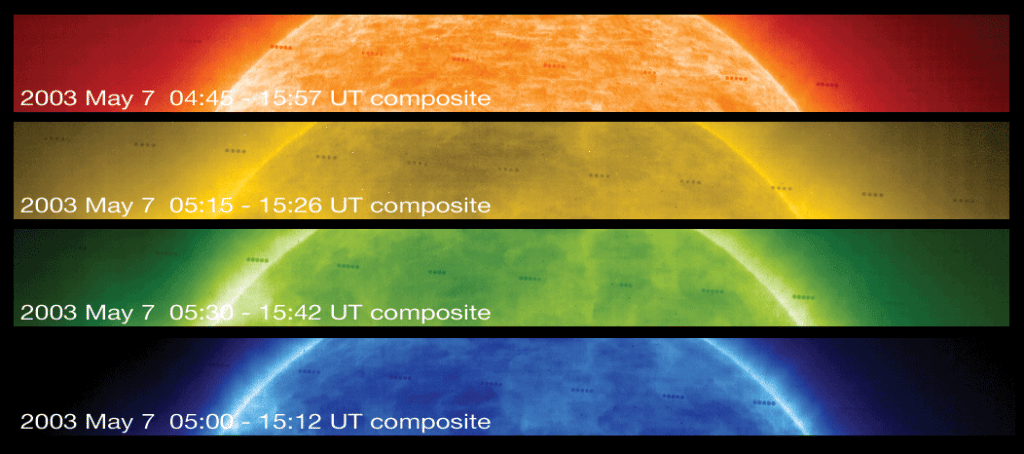
On Monday, May 9, 2016, from 1:12 PM to 8:40 PM (local time), Mercury will transit across the Sun.
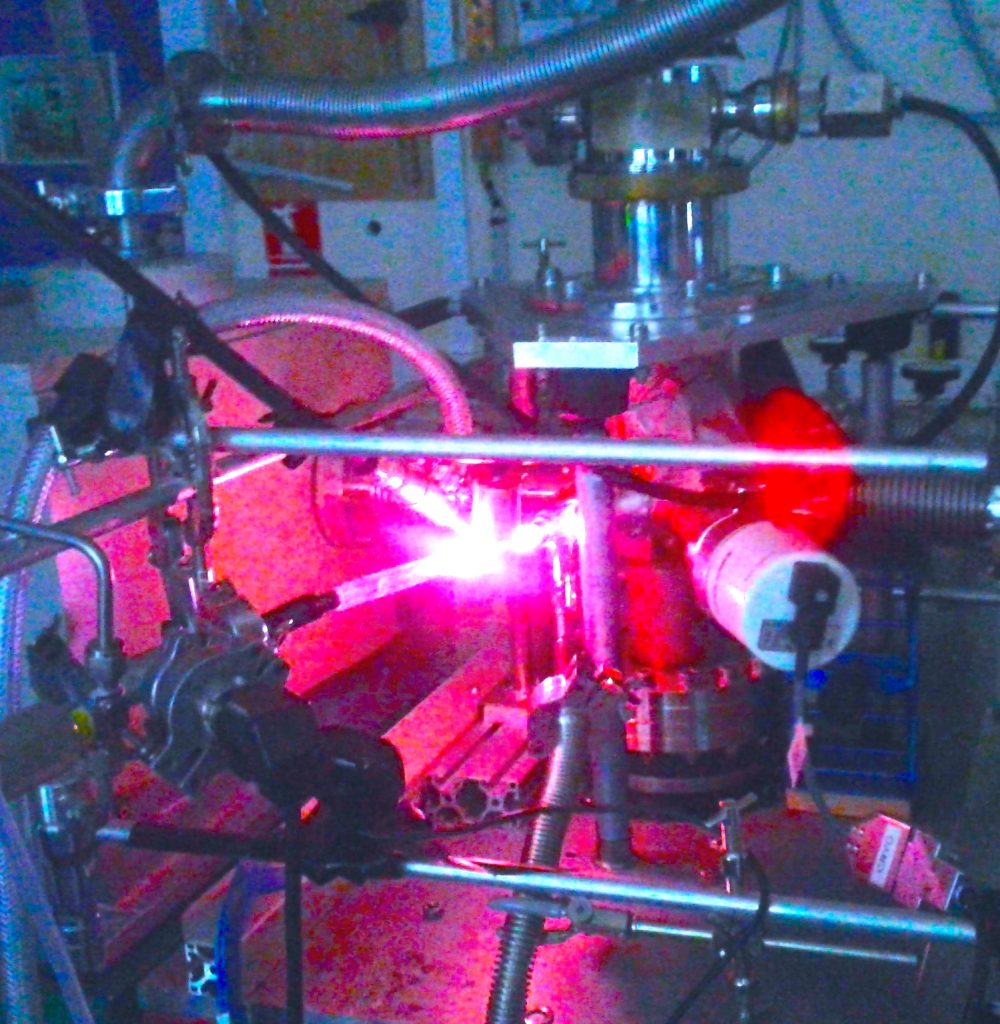
The MICMOC experiment, initiated in 2003 at IAS to bridge astrochemistry and astrobiology, has recently yielded a major and surprising result.
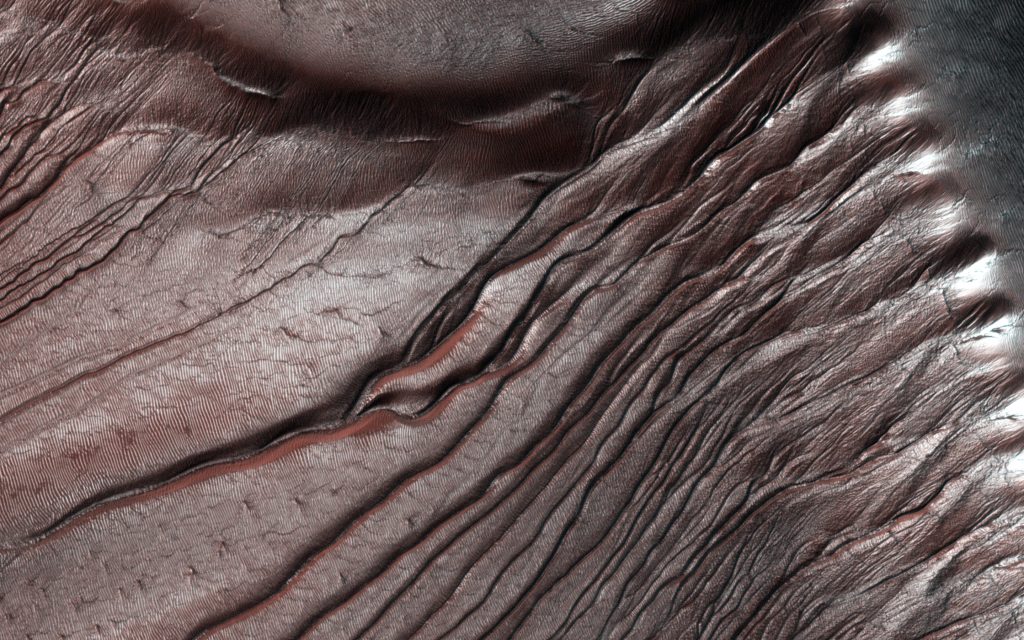
Gullies observed on Mars are likely formed by the action of CO2 ice during winter or spring, rather than by liquid water flows as previously suggested.
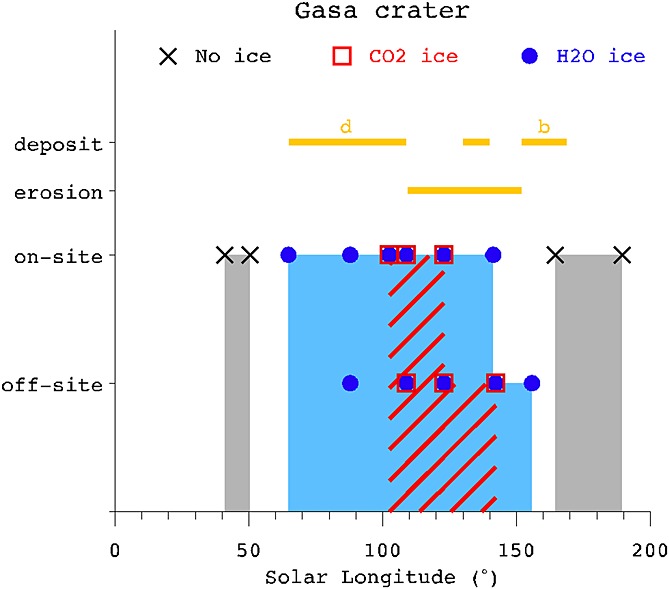
Ever since high-resolution cameras were deployed around Mars, it has been known that active flows currently occur on the planet.
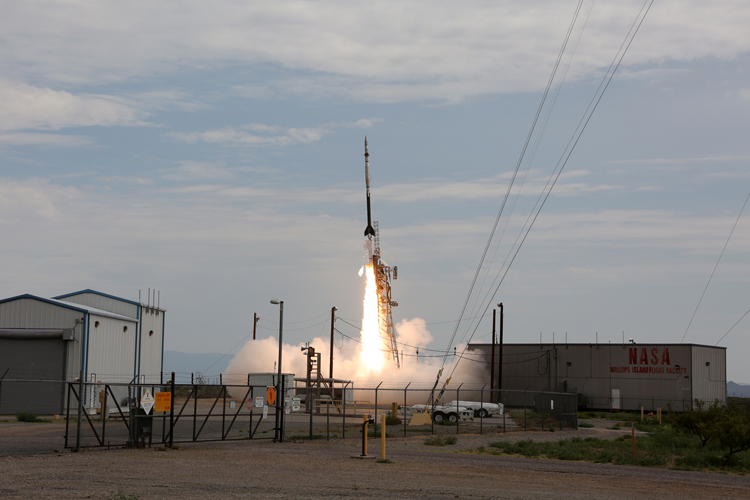
The CLASP (Chromospheric Lyman Alpha Spectropolarimeter) instrument was successfully launched aboard a sounding rocket on September 3, 2015, at 17:00 UT from the White Sands Missile Range in New Mexico.