
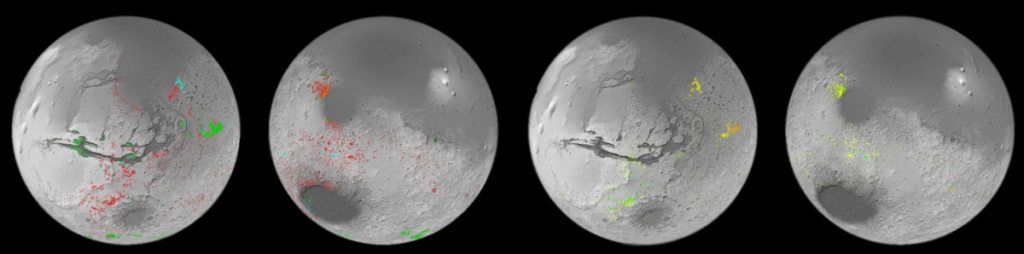
A new map of aqueous alteration on Mars
Research conducted within the Solar System team has provided the first global, high-resolution map of hydrated minerals on the Martian surface.
Research conducted within the Solar System team has provided the first global, high-resolution map of hydrated minerals on the Martian surface.
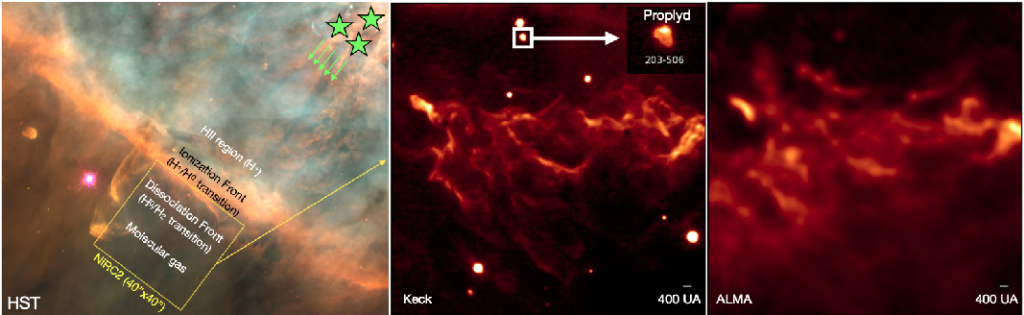
A team of scientists from the IAS has identified a phase of ammonium-rich phyllosilicates (NH4+) in samples collected from the surfaces of two asteroids, Ryugu and Bennu. This is a first for this type of extraterrestrial material. This discovery, published in Nature Communications, demonstrates that ammonium is a key link in nitrogen chemistry for all so-called "primitive" small bodies, whether carbonaceous asteroids or comets.
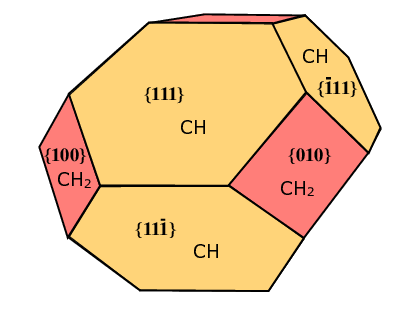
Nanodiamonds are among the most enigmatic components of cosmic dust.
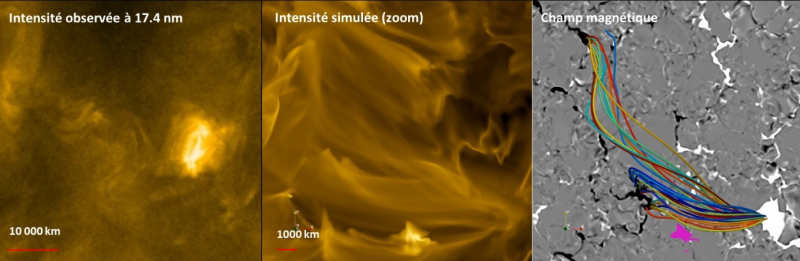
For a mission that has only recently entered its scientific exploitation phase, Solar Orbiter has already produced a wealth of remarkable results.
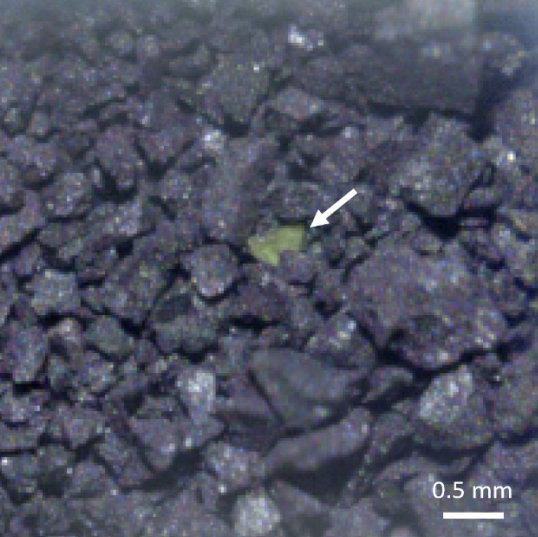
Initial analyses of samples retrieved from the primitive asteroid Ryugu, to which the IAS-developed MicrOmega instrument contributed, have provided an initial characterization of the physicochemical properties of the grains.
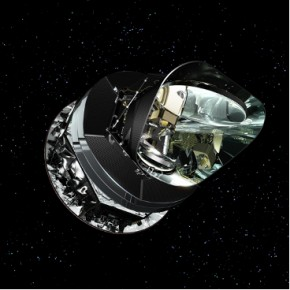
For the first time, leveraging innovative artificial intelligence methods, an IAS team has discovered thousands of galaxy clusters in Planck satellite observations, published in a new catalog.
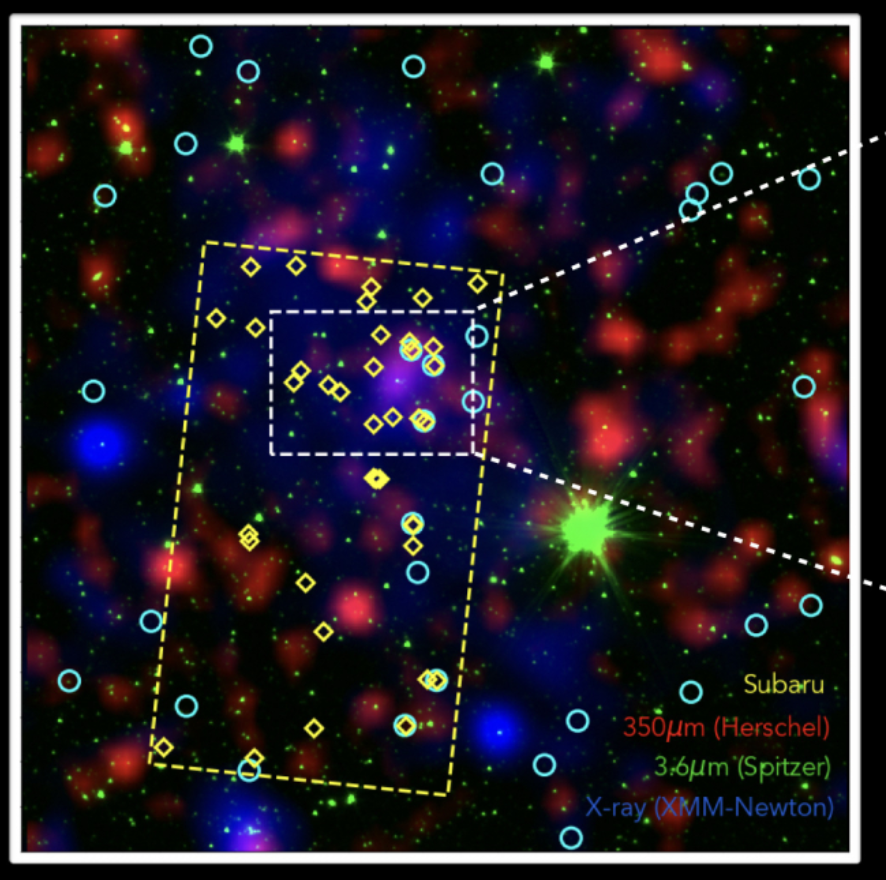
A galaxy protocluster dating from the most active epoch of the Universe has been discovered.
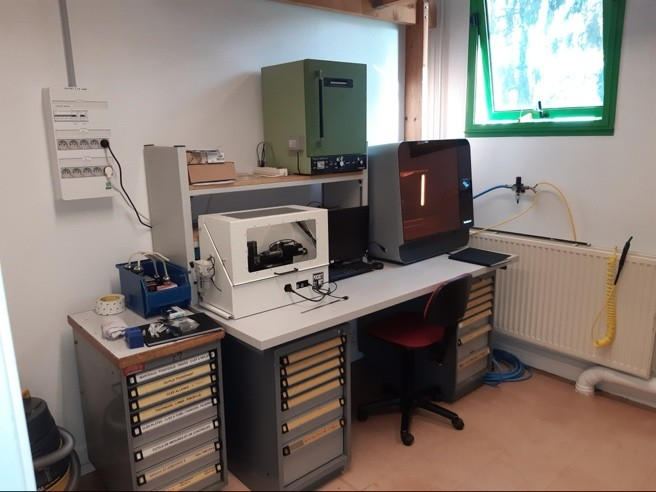
The engineering department / workshop is acquiring a new prototyping facility!
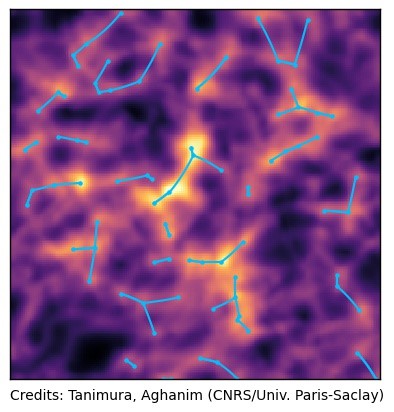
Astrophysicists estimate that nearly 40% of the ordinary matter that makes up stars, planets, and galaxies remains unobserved, hidden as hot gas within the filaments of the cosmic web.
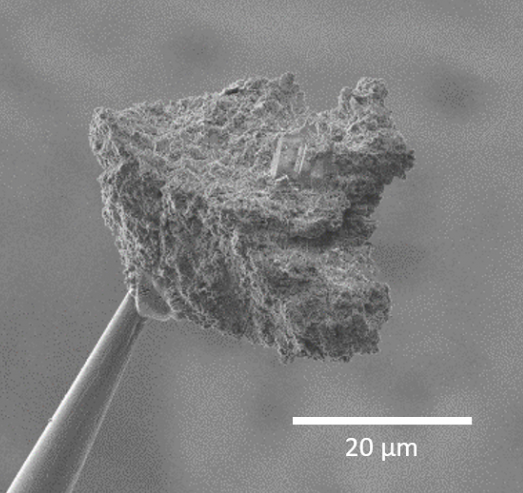
How to measure and visualize in 3D the composition and structure of an extraterrestrial micrometric grain without destroying it?