
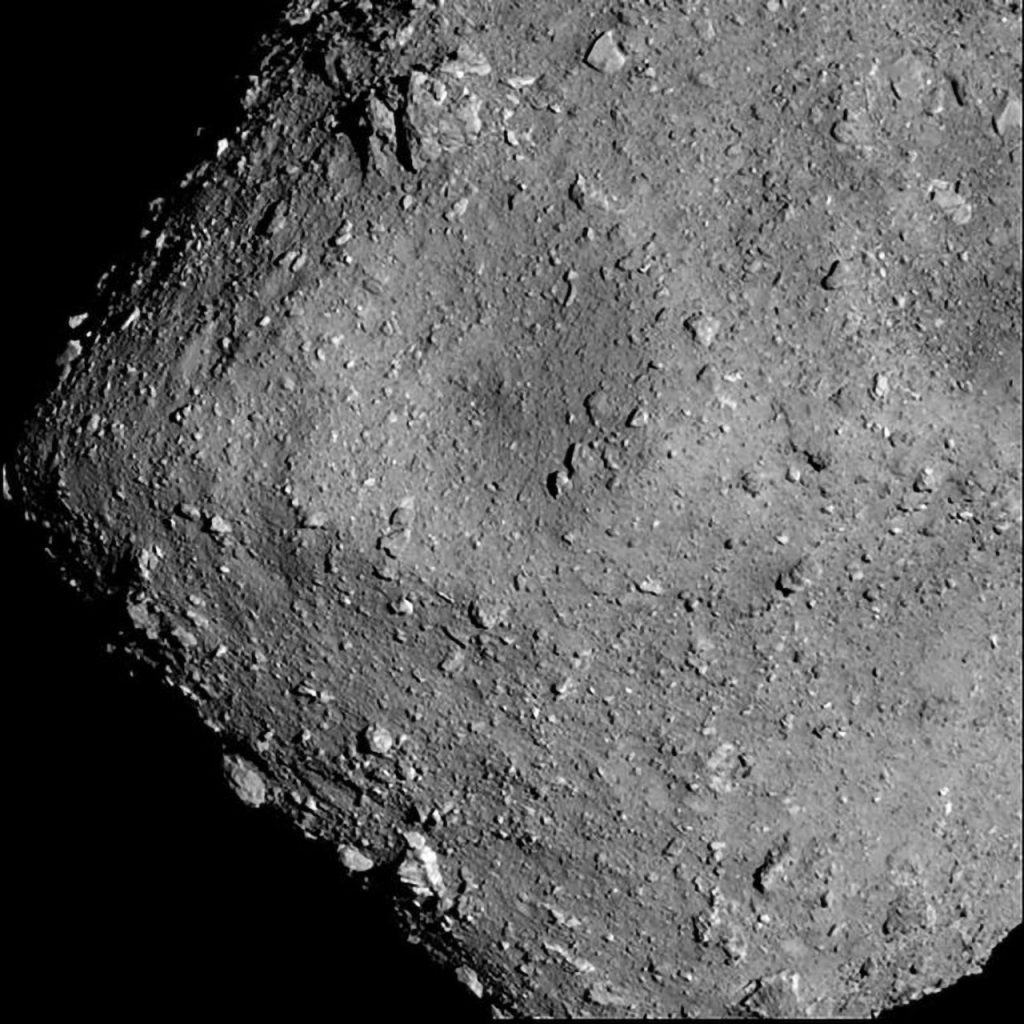
Ryugu samples protected from the solar wind… but not all of them!
In December 2020, the Hayabusa2 spacecraft brought back 5.4 grams of samples from the primitive asteroid Ryugu to Earth.
In December 2020, the Hayabusa2 spacecraft brought back 5.4 grams of samples from the primitive asteroid Ryugu to Earth.
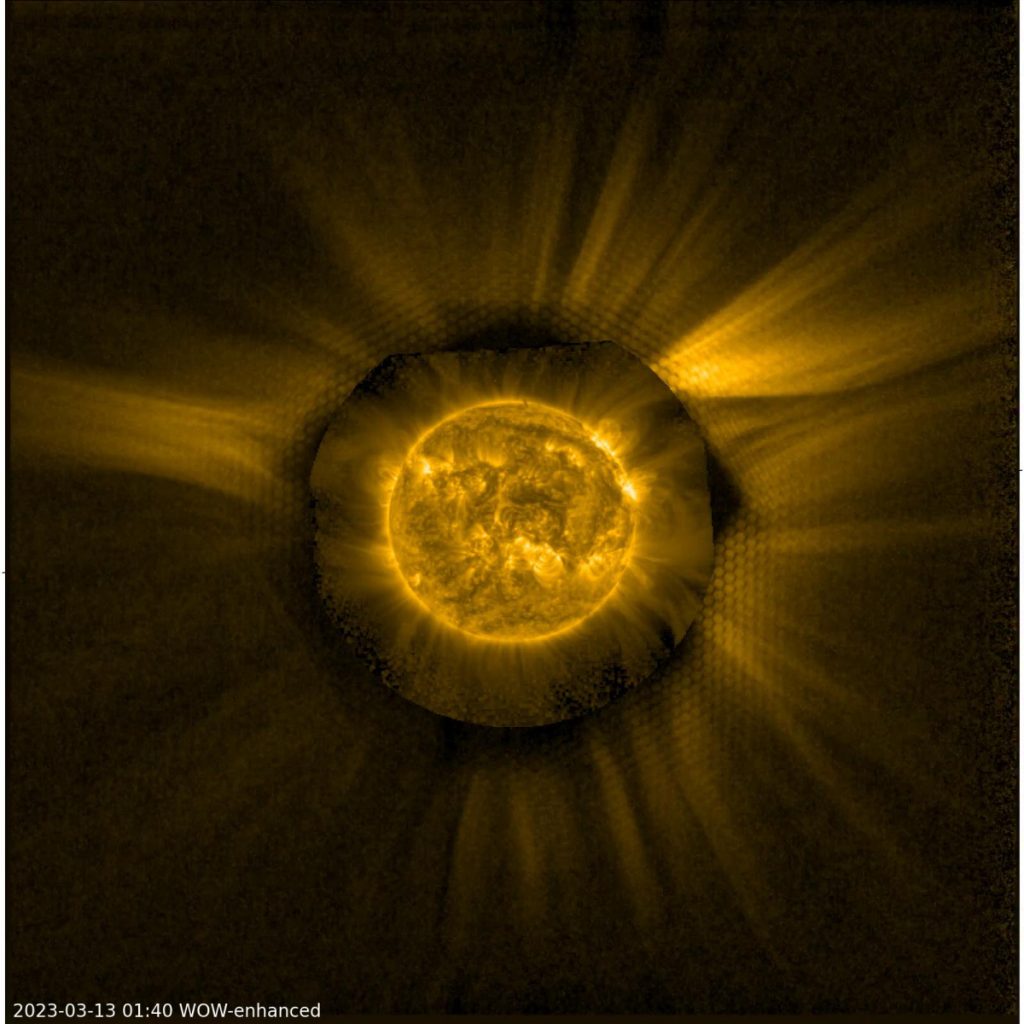
A last-minute modification to the EUI (Extreme Ultraviolet Imager) instrument aboard the Solar Orbiter mission allows us to obtain new views of our star's corona.
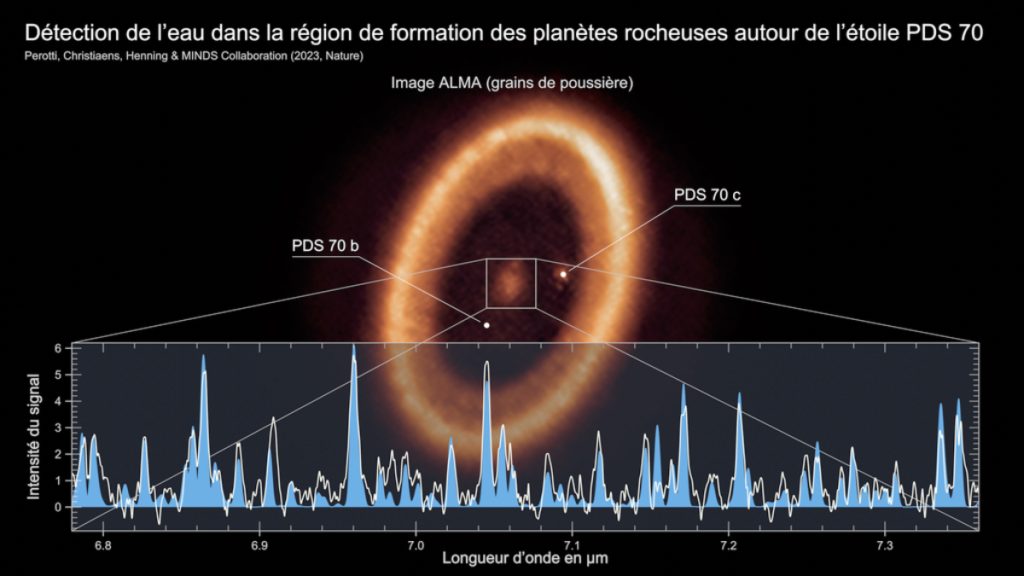
Water is essential for life on Earth.
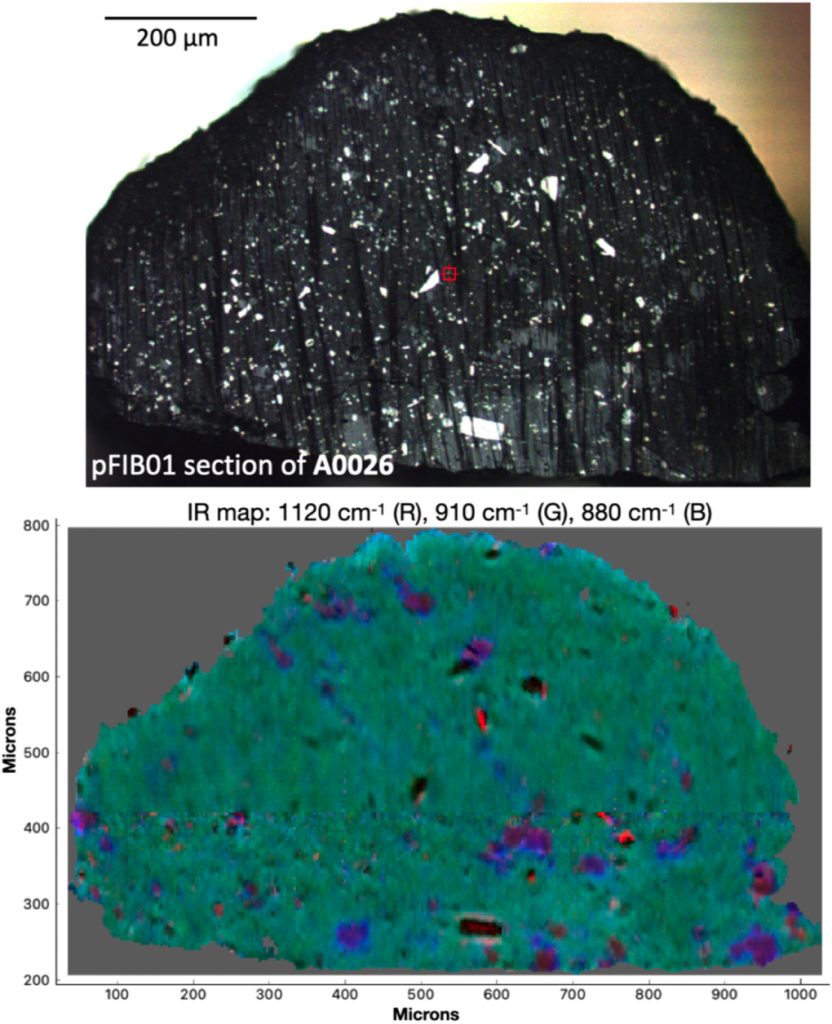
A team of scientists from the IAS has identified a phase of ammonium-rich phyllosilicates (NH4+) in samples collected from the surfaces of two asteroids, Ryugu and Bennu. This is a first for this type of extraterrestrial material. This discovery, published in Nature Communications, demonstrates that ammonium is a key link in nitrogen chemistry for all so-called "primitive" small bodies, whether carbonaceous asteroids or comets.
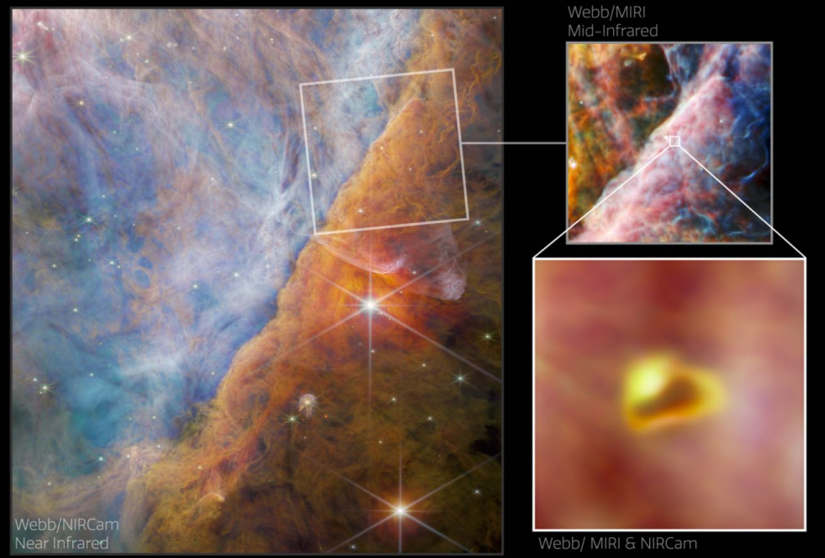
An international research team involving the IAS has just revealed the chemical composition of a disk of matter rotating around a young star, where new planets are forming.
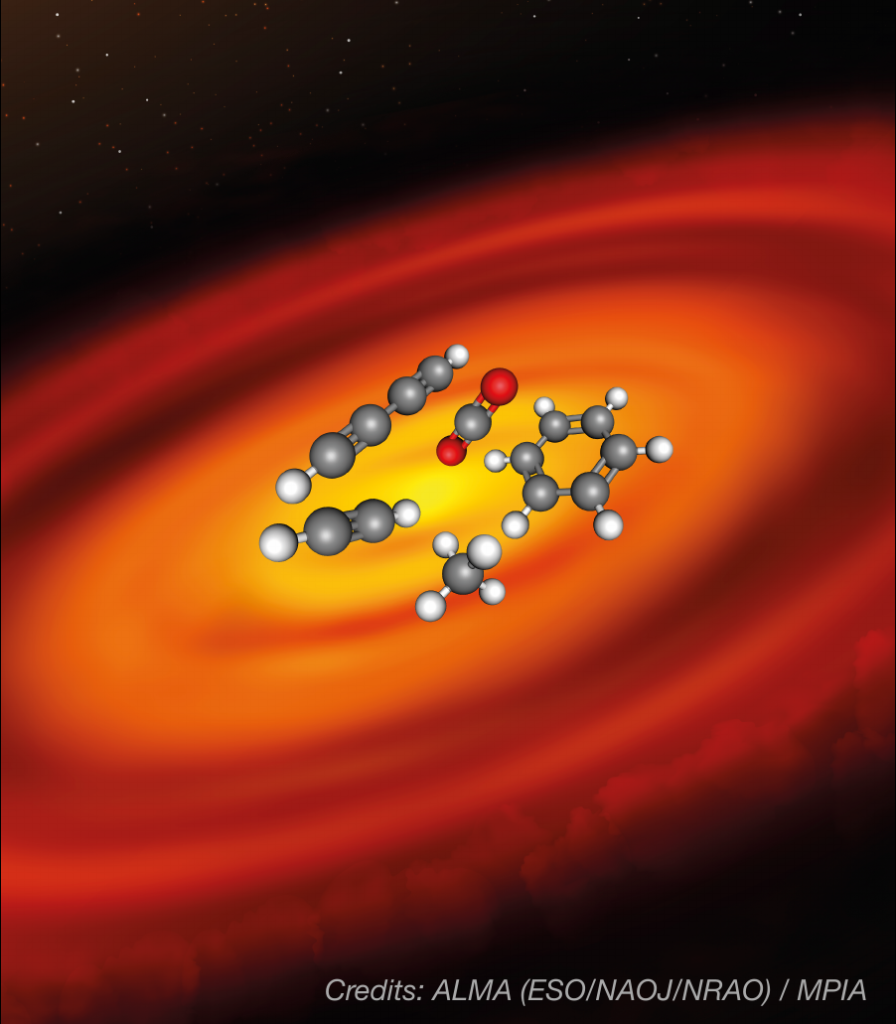
An international research team involving the IAS has just revealed the chemical composition of a disk of matter rotating around a young star, where new planets are forming.
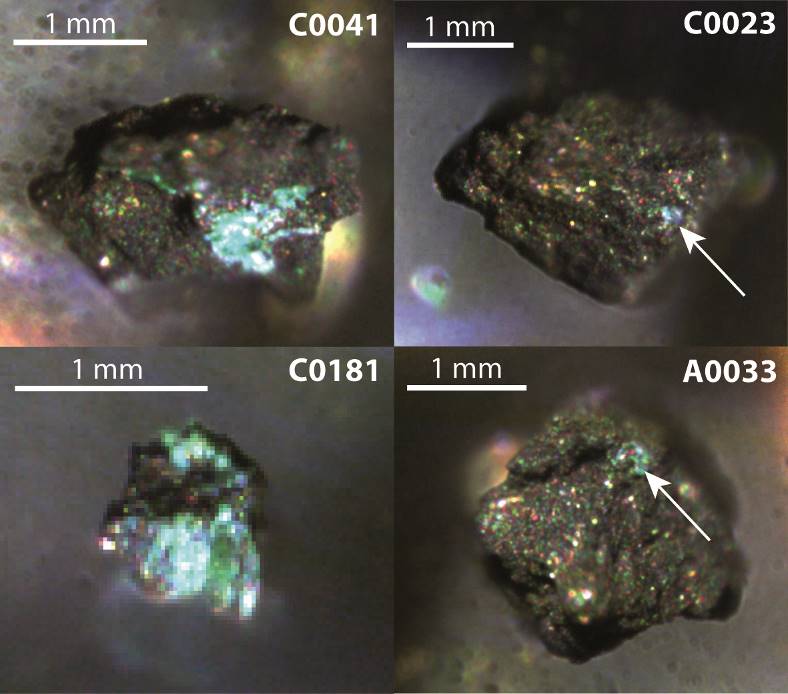
A new study based on data from the MicrOmega instrument—which is currently participating in the analysis of samples from the Ryugu asteroid returned by JAXA's Hayabusa2 mission—has characterized and mapped various carbonate mineral types within the samples, shedding valuable light on the early days of the Solar System.
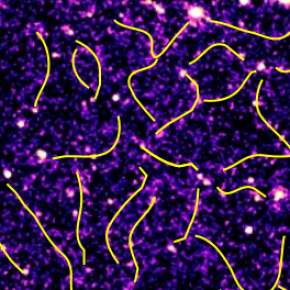
In a recent study, the ByoPiC team leveraged the latest X-ray survey, SRG/eROSITA, to unequivocally confirm the detection of an X-ray signal associated with the thermal emission of hot plasma within cosmic filaments.
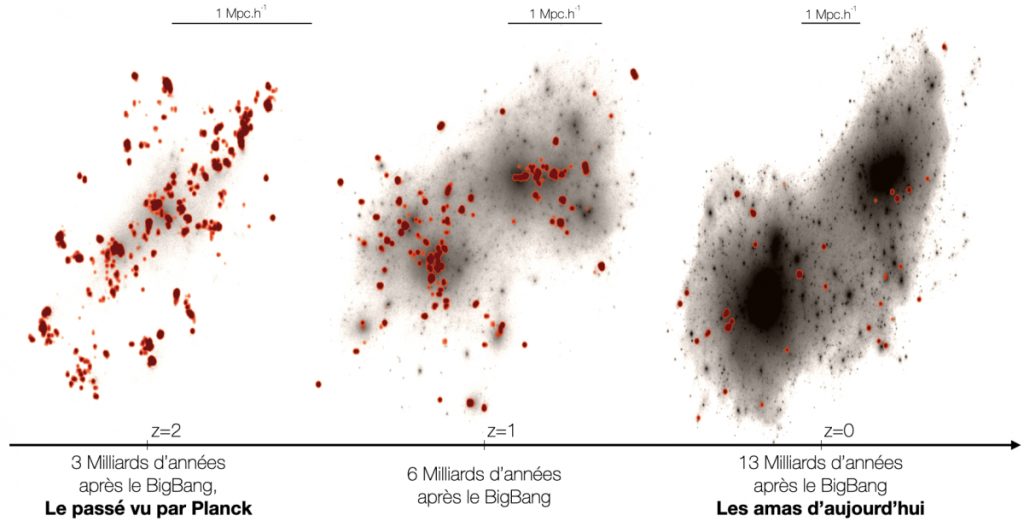
For the first time, distant galaxy clusters discovered by the Planck satellite are explained by simulations that also predict their future evolution.
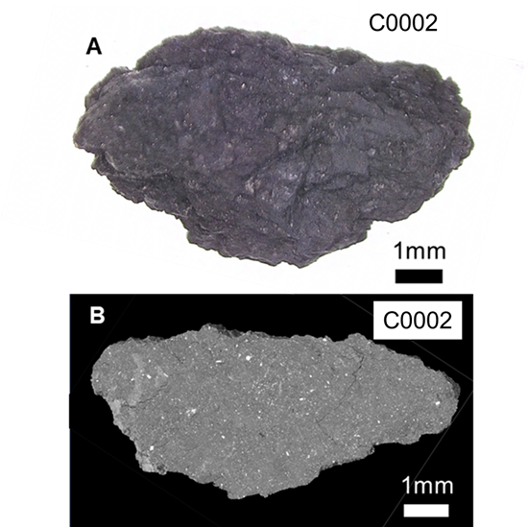
The Japanese JAXA Hayabusa2 mission has returned samples from the primitive carbonaceous asteroid Ryugu.