
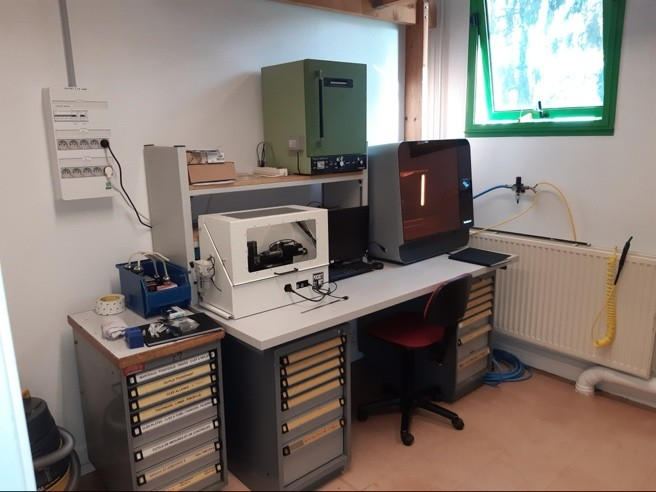
A Mini FabLab at IAS!
The engineering department / workshop is acquiring a new prototyping facility!

The engineering department / workshop is acquiring a new prototyping facility!
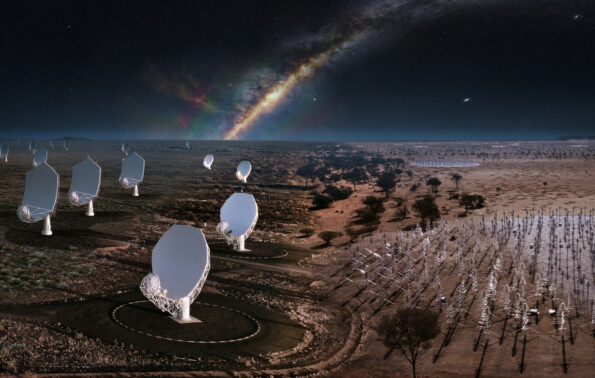
IAS welcomes France's commitment to the construction and operation of the largest radio astronomy instrument ever built: the Square Kilometre Array.
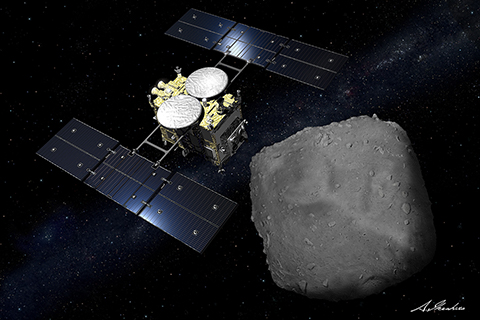
After collecting samples from two different sites, the Japan Aerospace Exploration Agency's (JAXA) Hayabusa2 spacecraft left asteroid Ryugu on November 19, 2019, bound for Earth.
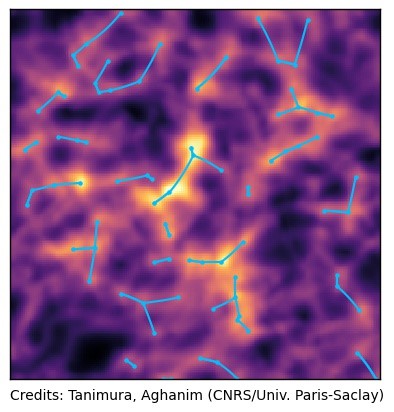
Astrophysicists estimate that nearly 40% of the ordinary matter that makes up stars, planets, and galaxies remains unobserved, hidden as hot gas within the filaments of the cosmic web.
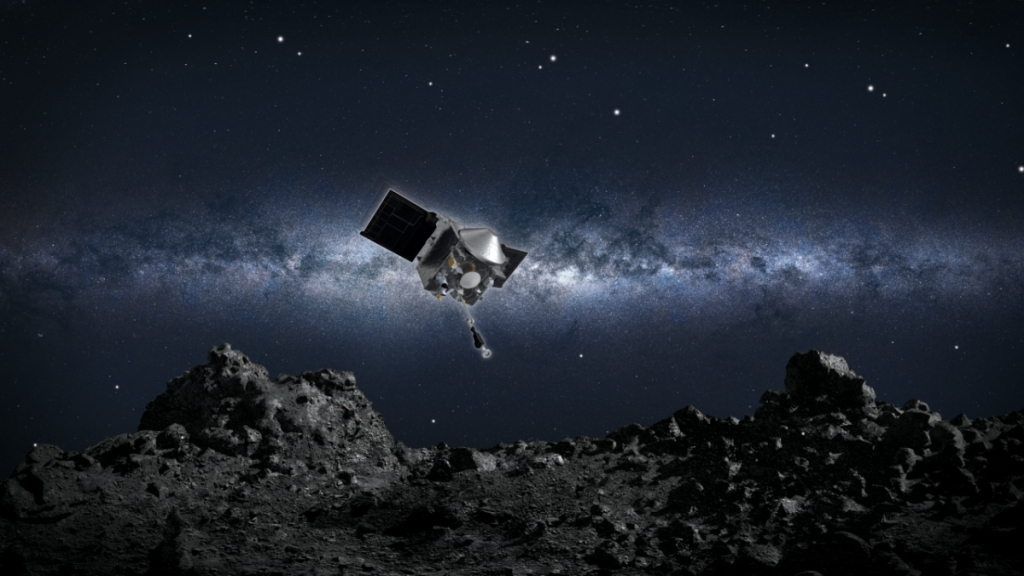
On October 21, 2020, NASA's OSIRIS-REx mission successfully executed its approach to asteroid Bennu to touch the surface and collect samples.
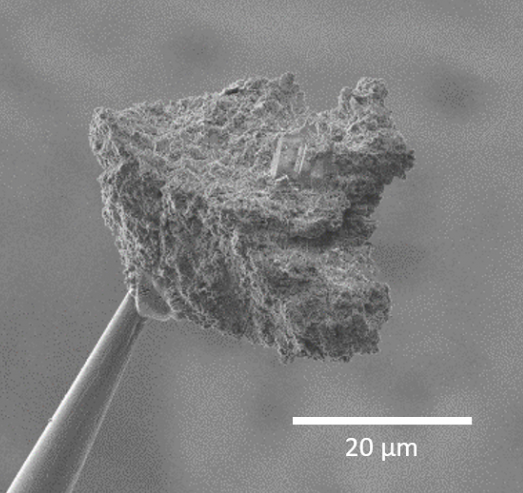
How to measure and visualize in 3D the composition and structure of an extraterrestrial micrometric grain without destroying it?
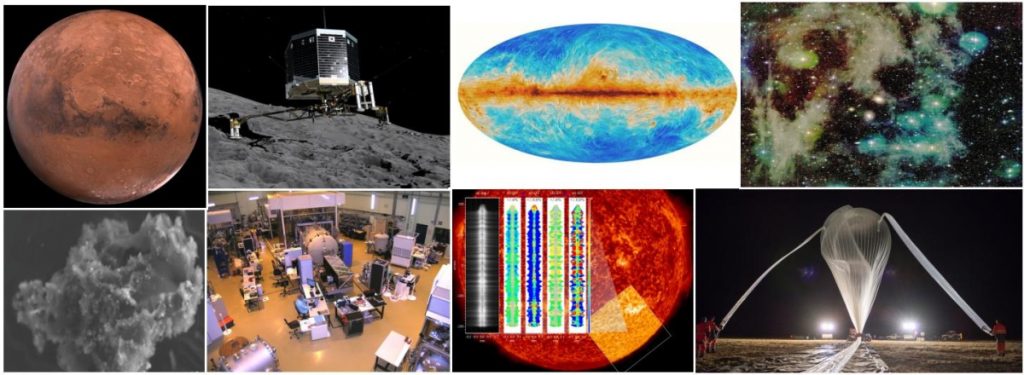
In the exceptional context of Covid-19 and in compliance with sanitary regulations, the Fête de la Science will exceptionally take place this year as a live broadcast on Sunday, October 11, 2020, from 2:30 PM to 6:30 PM.
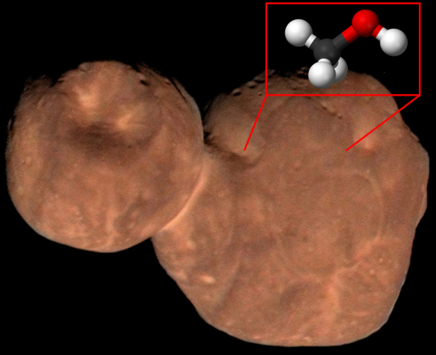
The surfaces of small icy bodies in the outer solar system are altered by the irradiation of energetic solar and cosmic ions.
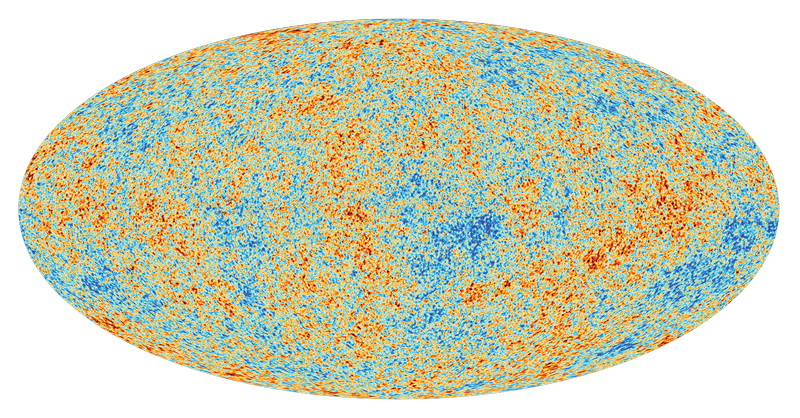
The Planck collaboration has published a final series of papers, bringing their total number to 164.
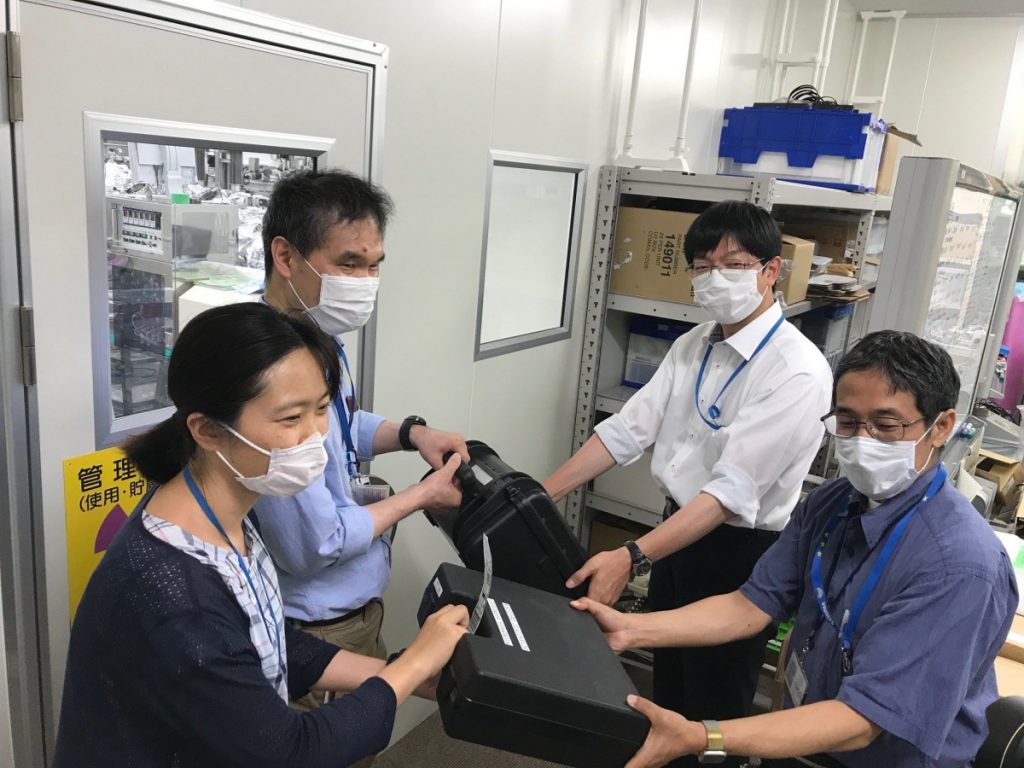
Despite health constraints drastically limiting technical activities at IAS and entry into Japan, the IAS team successfully integrated, tested, and calibrated the MicrOmega instrument to perfection, delivering it to the Hayabusa2 mission curation facility at the Institute of Space and Astronautical Science (ISAS) on Friday, July 3.