
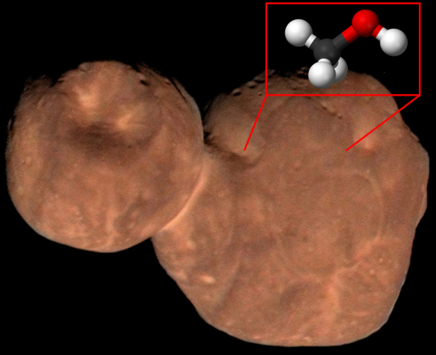
How long does it take to alter the surface of an icy asteroid?
The surfaces of small icy bodies in the outer solar system are altered by the irradiation of energetic solar and cosmic ions.
The surfaces of small icy bodies in the outer solar system are altered by the irradiation of energetic solar and cosmic ions.
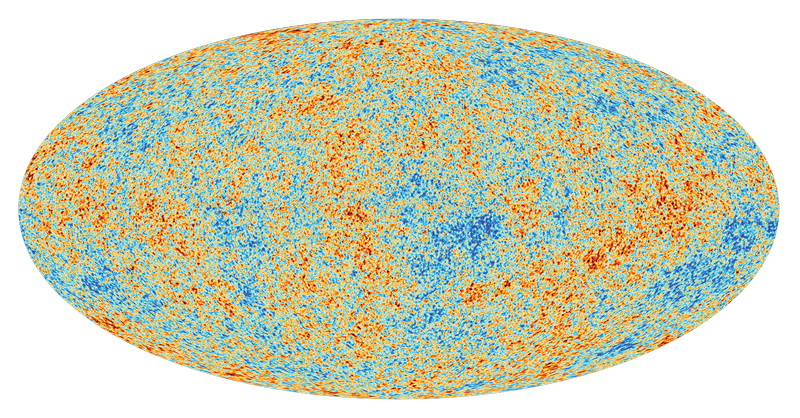
The Planck collaboration has published a final series of papers, bringing their total number to 164.
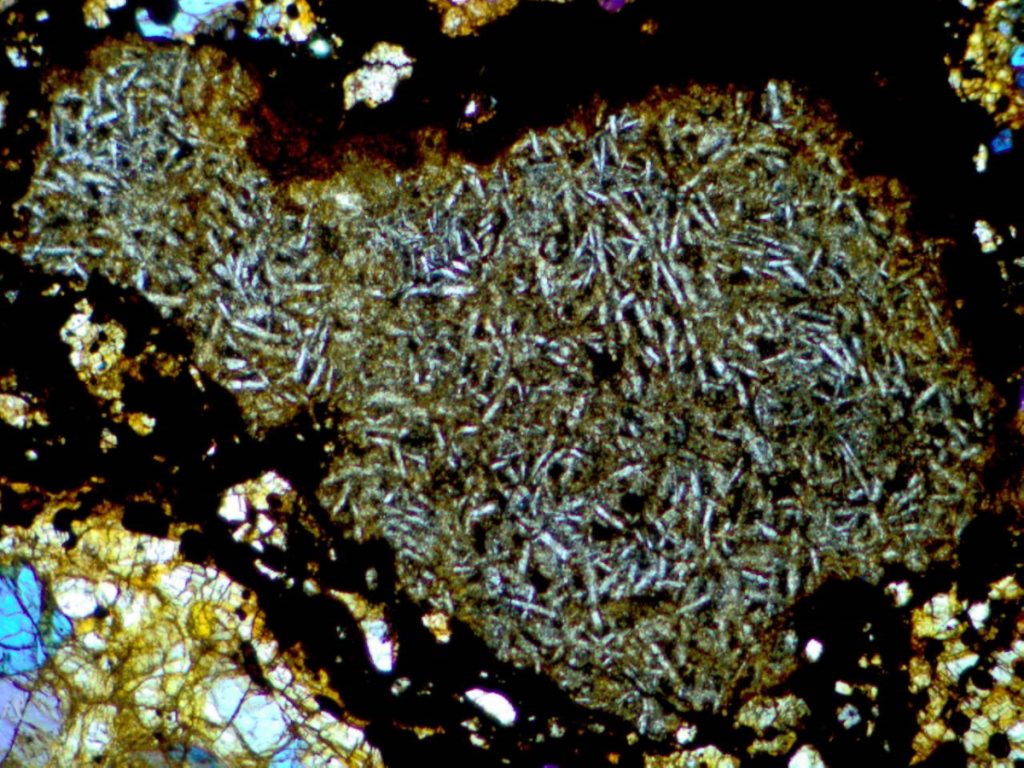
Although connections exist between the most primitive objects of the Solar System and differentiated planetary bodies with metallic cores, no sample documenting the onset of planetary differentiation had been identified until now.
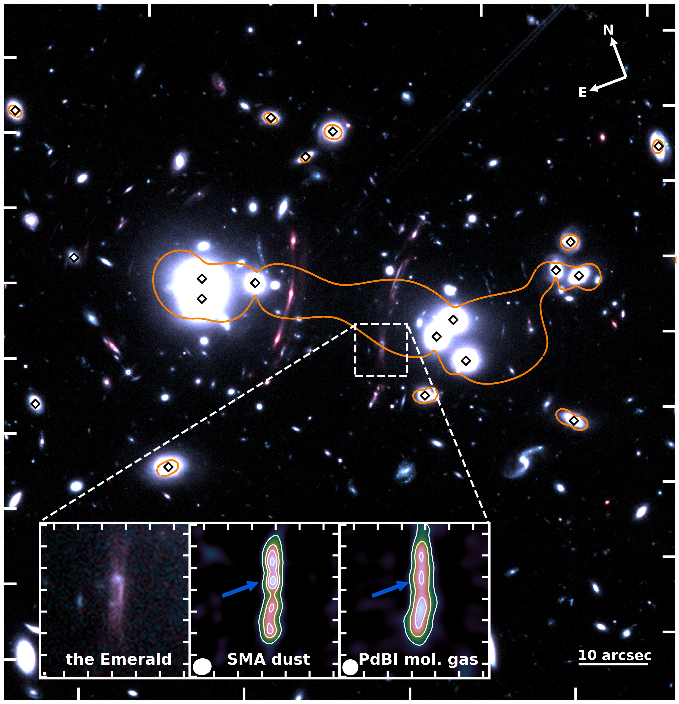
The most intense star-forming regions in the early Universe interact with their environment through rapid gas exchanges.
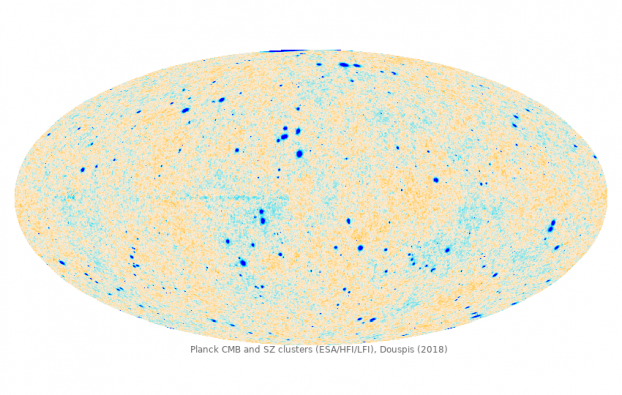
In 2013, Planck's results highlighted for the first time a discrepancy between the cosmological parameters determined by the cosmic microwave background and those obtained by analyzing the abundance of galaxy clusters detected by Planck.
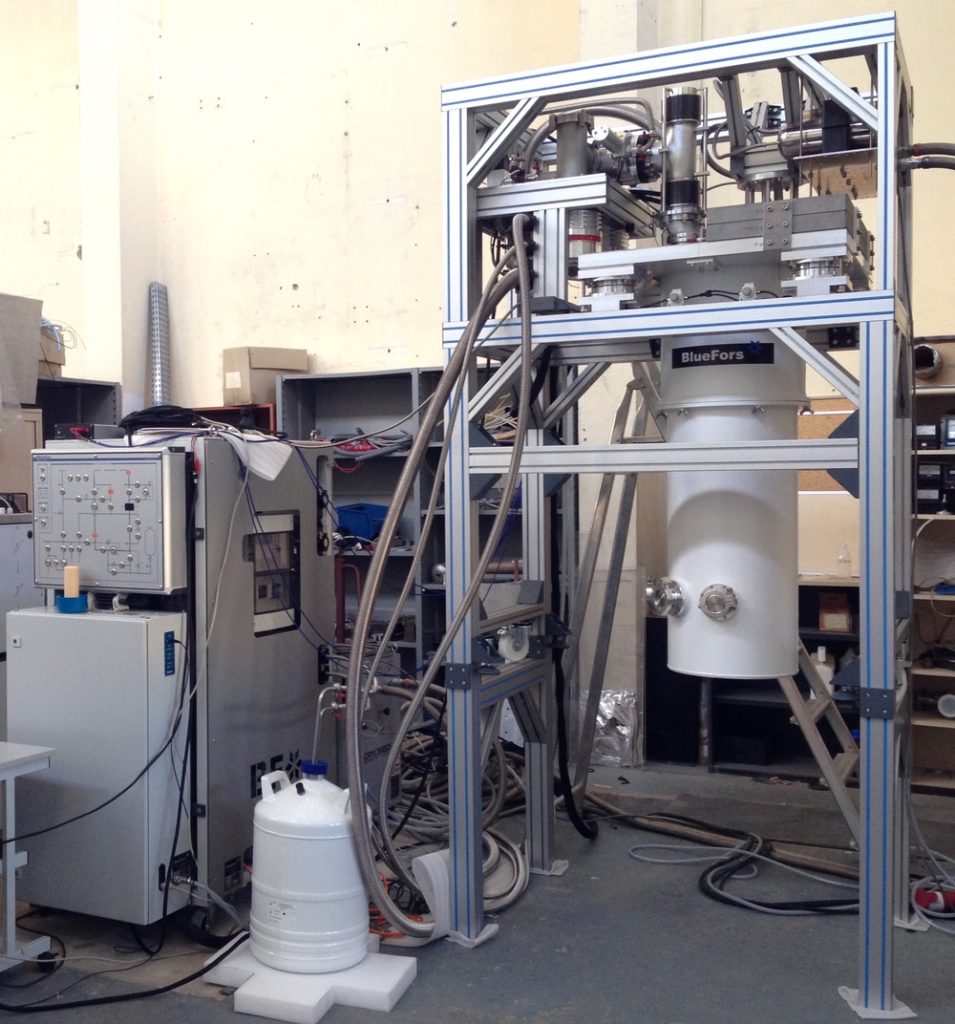
A new mobile cryogenic system based on a dilution refrigerator developed by BlueFors Cryogenics has just been installed in our laboratories.
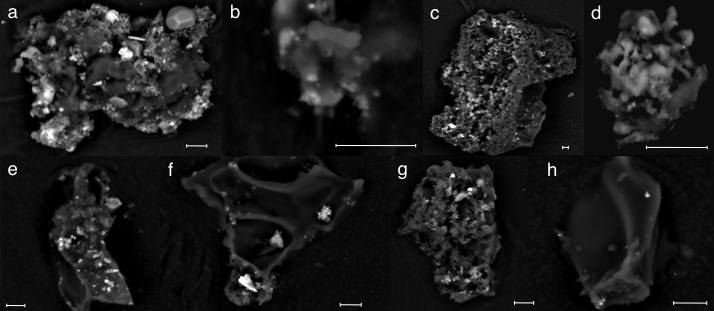
An interdisciplinary team of researchers from IAS, CSNSM, and the SMIS beamline at the SOLEIL synchrotron has conducted the first systematic laboratory study of organic matter originating from exceptional interplanetary dust particles known as Ultra-Carbonaceous MicroMeteorites (UCAMMs).
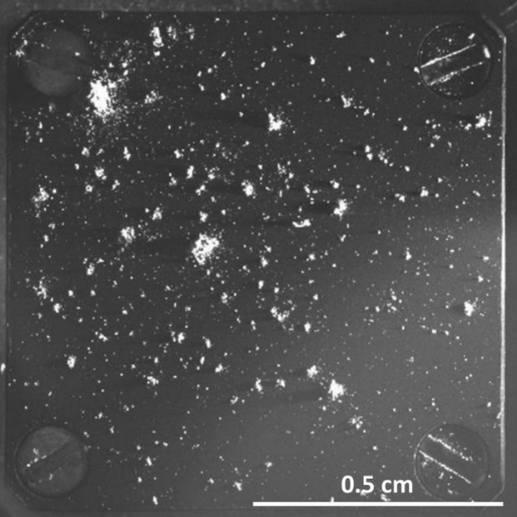
An international scientific team involving researchers from IAS has determined the elemental composition of dust from comet 67P/Churyumov-Gerasimenko, explored by the European Space Agency's Rosetta mission.
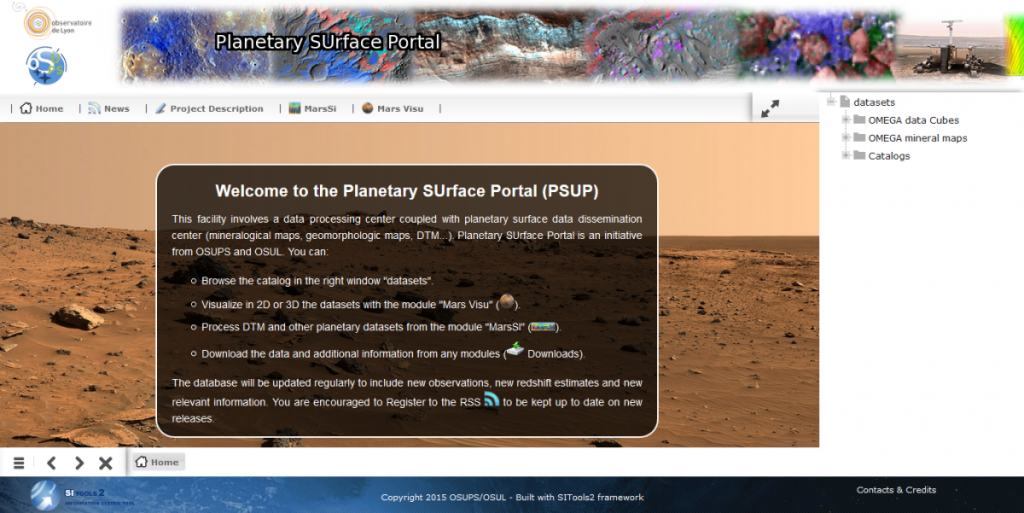
The PSUP (Pôle des SUrfaces Planétaires) service consists of a Martian surface data processing center coupled with a high-value-added data dissemination and visualization center.
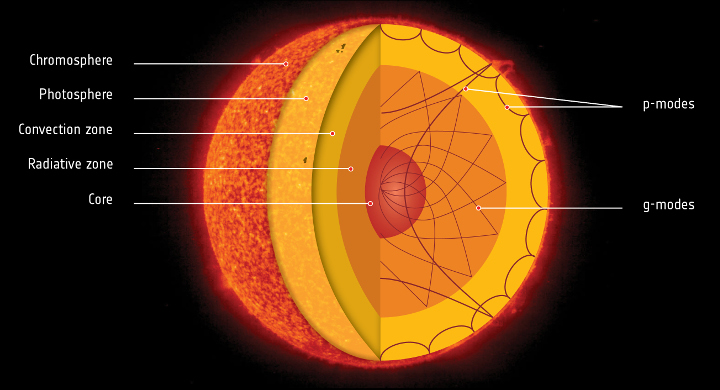
Data from the GOLF instrument on board the SOHO spacecraft (ESA and NASA) have enabled the first detection of gravity modes, seismic waves that carry the physical properties of the deepest solar layers.