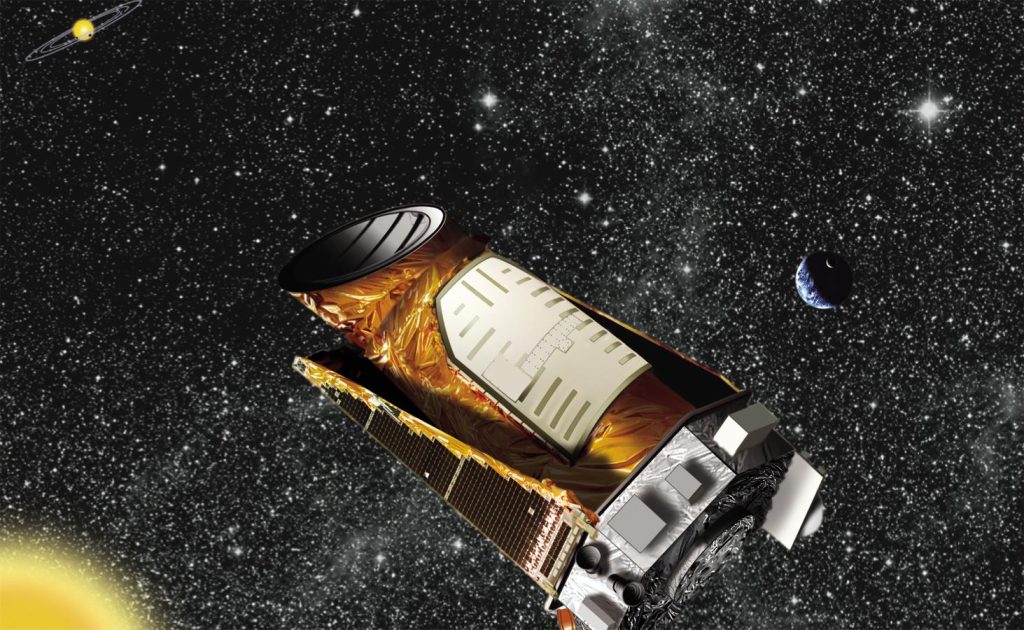
Kepler
Following in the footsteps of CoRoT, this NASA mission (launched in 2009) also combines stellar seismology with exoplanet research.
Following in the footsteps of CoRoT, this NASA mission (launched in 2009) also combines stellar seismology with exoplanet research.
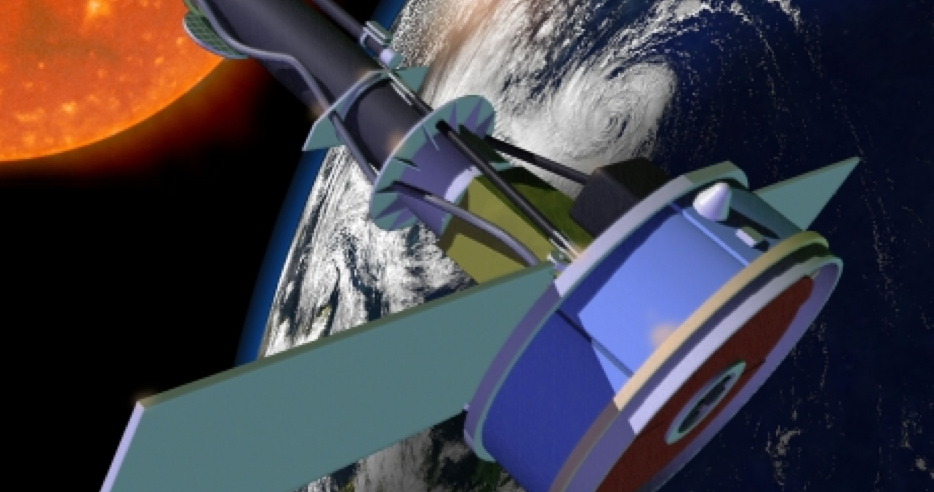
IRIS (Interface Region Imaging Spectrograph, NASA, launched in 2013) combines imaging and spectroscopy.
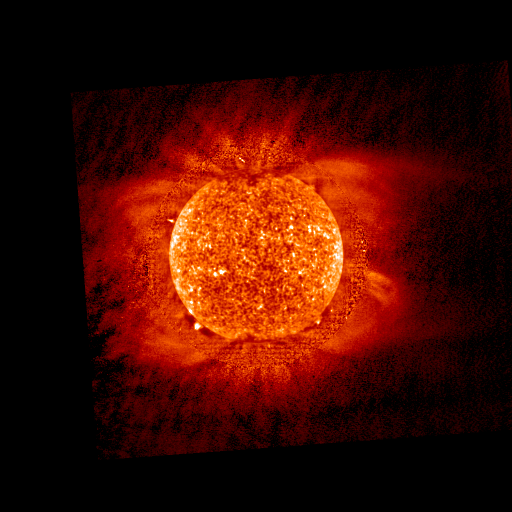
Launched from White Sands Missile Range (New Mexico) on September 14, 2009, the Herschel sounding rocket carried two experiments with significant IAS contributions: HECOR and HEIT.
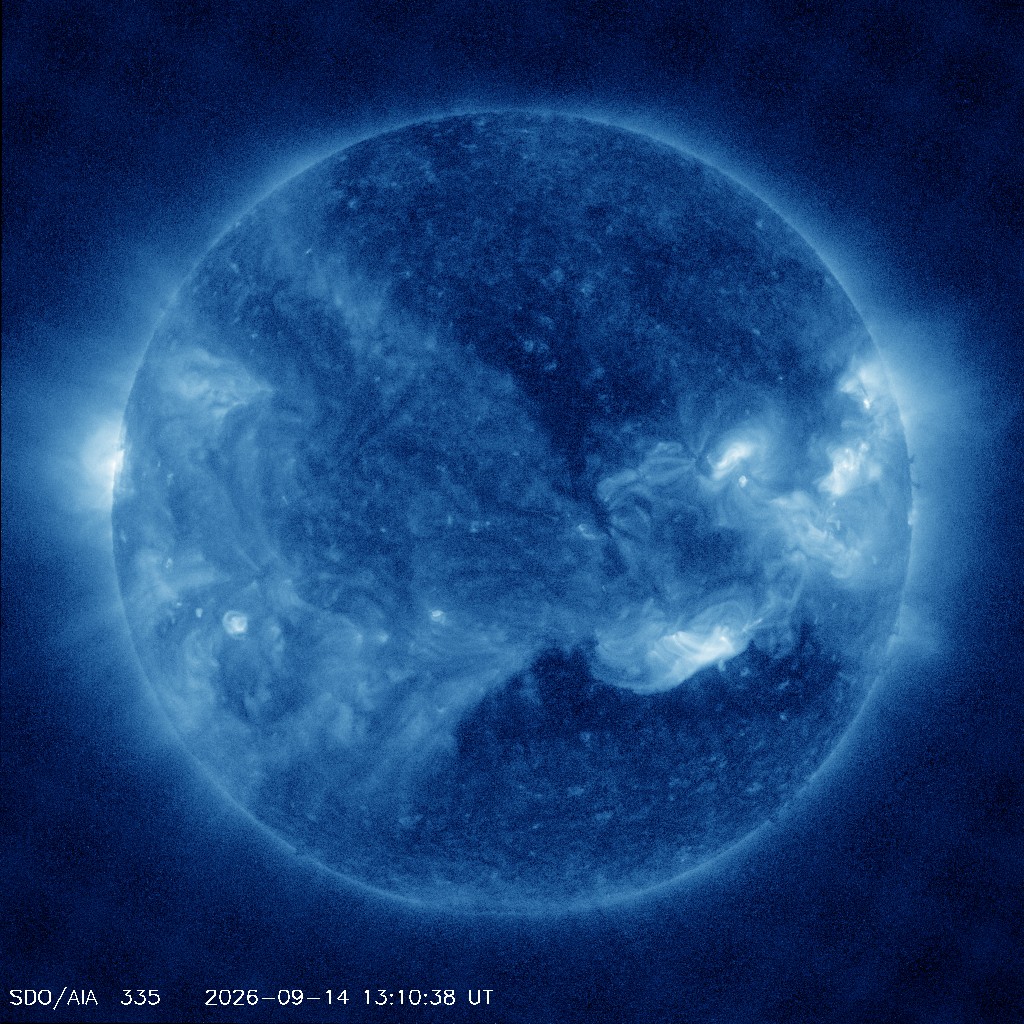
Solar Dynamics Observatory (NASA, launched in 2009) is the first mission launched under NASA's “Living With a Star” program, designed to understand the causes of solar variability and its impacts on Earth by studying the solar atmosphere at high spatial and temporal resolutions across multiple wavelengths simultaneously.
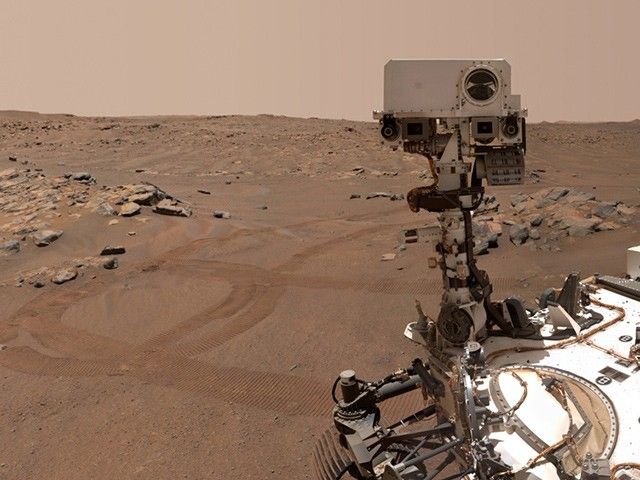
The Mars2020/Perseverance rover is NASA's second major mobile robotic mission for in-situ exploration.
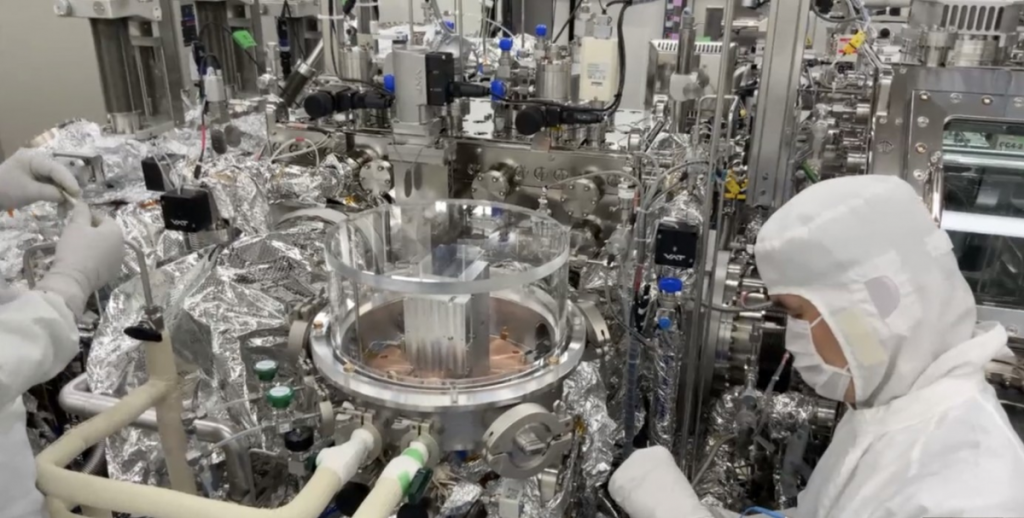
Carbonaceous asteroids are invaluable remnants from the formation of the Solar System 4.5 billion years ago.
OMEGA is the imaging spectrometer for ESA's Mars Express mission, which entered Martian orbit on December 25, 2003.
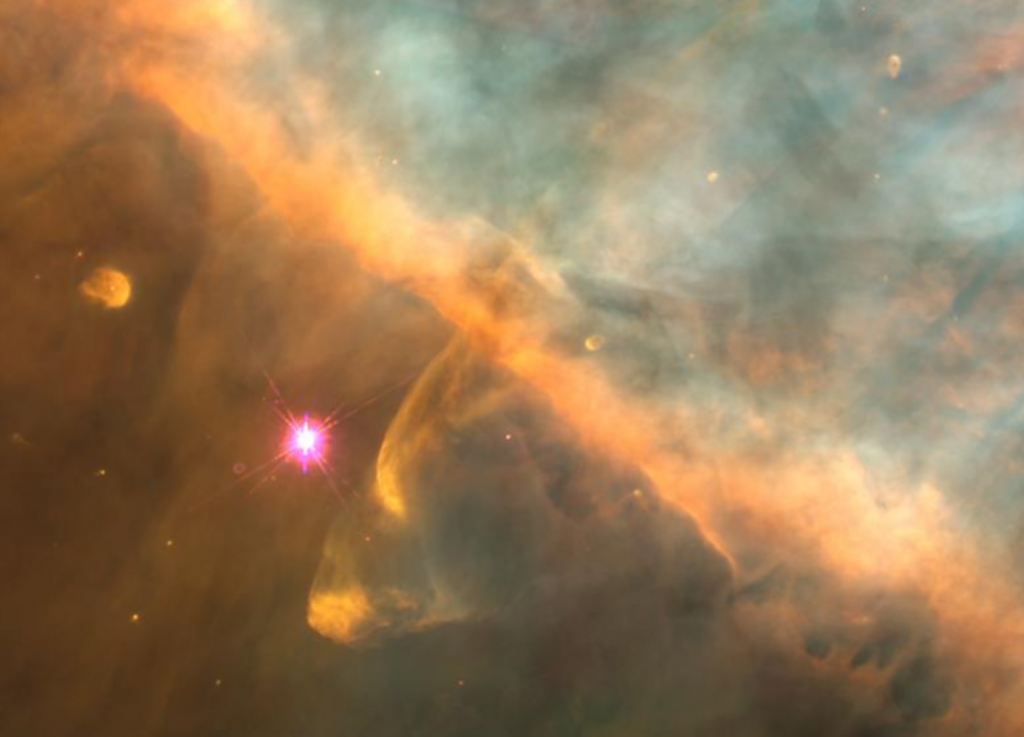
The James Webb Space Telescope (JWST) is the largest telescope ever deployed in space, developed jointly by NASA, ESA, and the Canadian Space Agency (CSA).
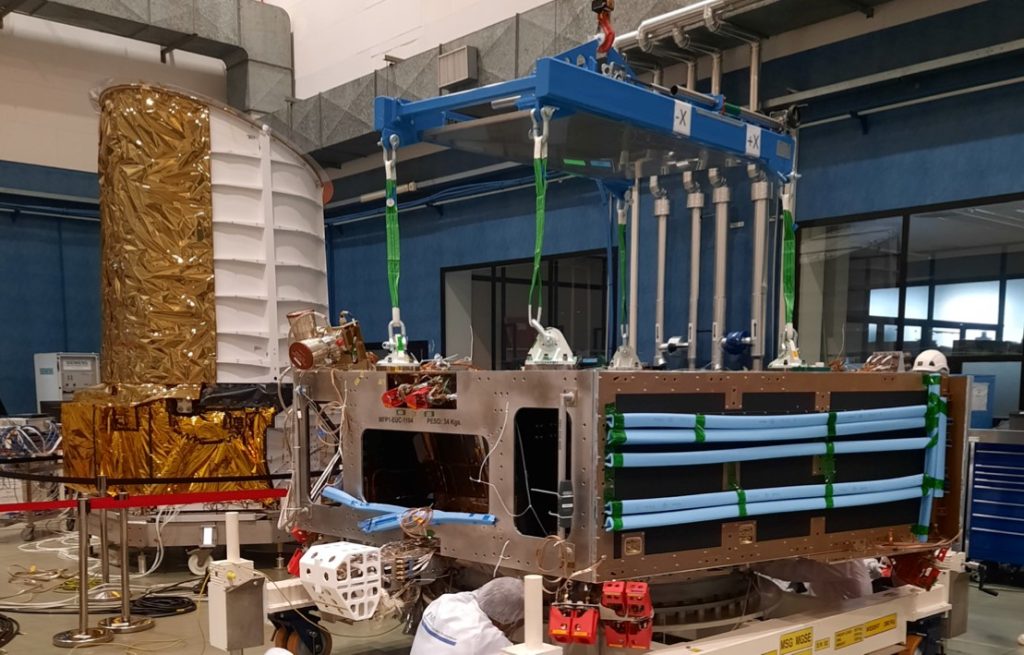
Euclid is a space mission of the European Space Agency (ESA), selected as part of the Cosmic Vision program (M2 mission).