
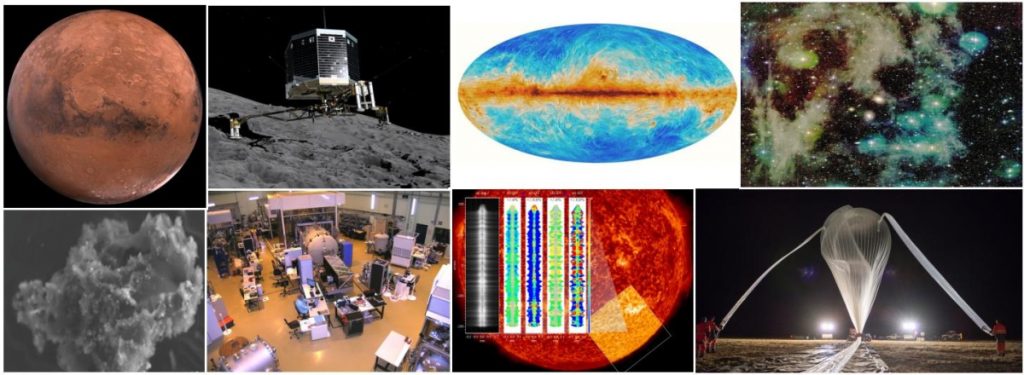
Fête de la Science 2025
As part of the Fête de la Science, IAS will open its doors to the public on Sunday, October 5, 2025, from 2:00 PM to 6:00 PM.
As part of the Fête de la Science, IAS will open its doors to the public on Sunday, October 5, 2025, from 2:00 PM to 6:00 PM.
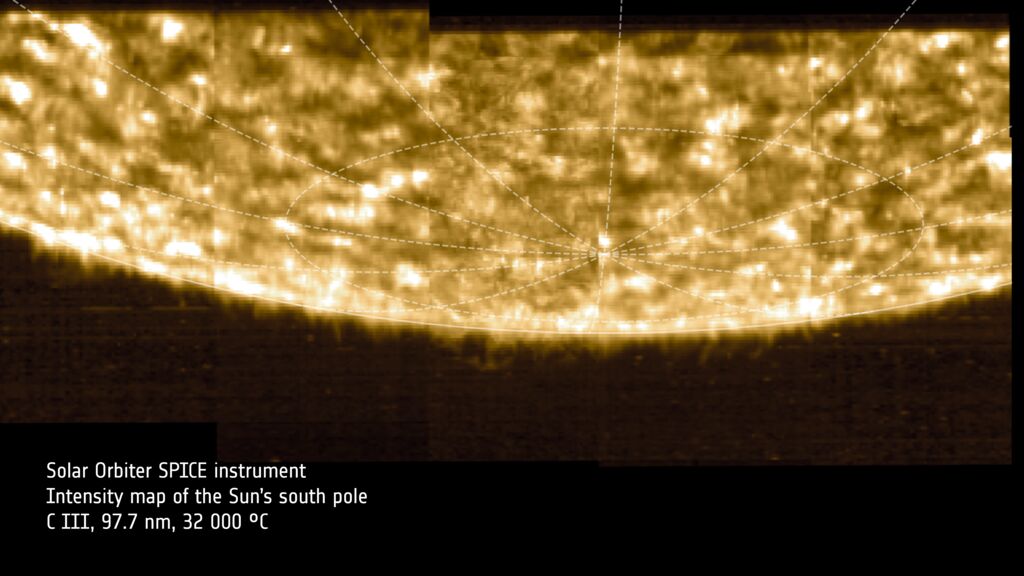
Thanks to its new inclined orbit around the Sun, the ESA-led Solar Orbiter mission is the first to image the Sun's poles from outside the ecliptic plane.
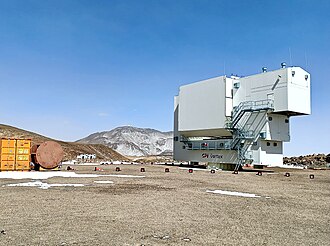
The Simons Observatory (SO) has reached a major milestone with the successful installation of its Large Aperture Telescope (LAT).
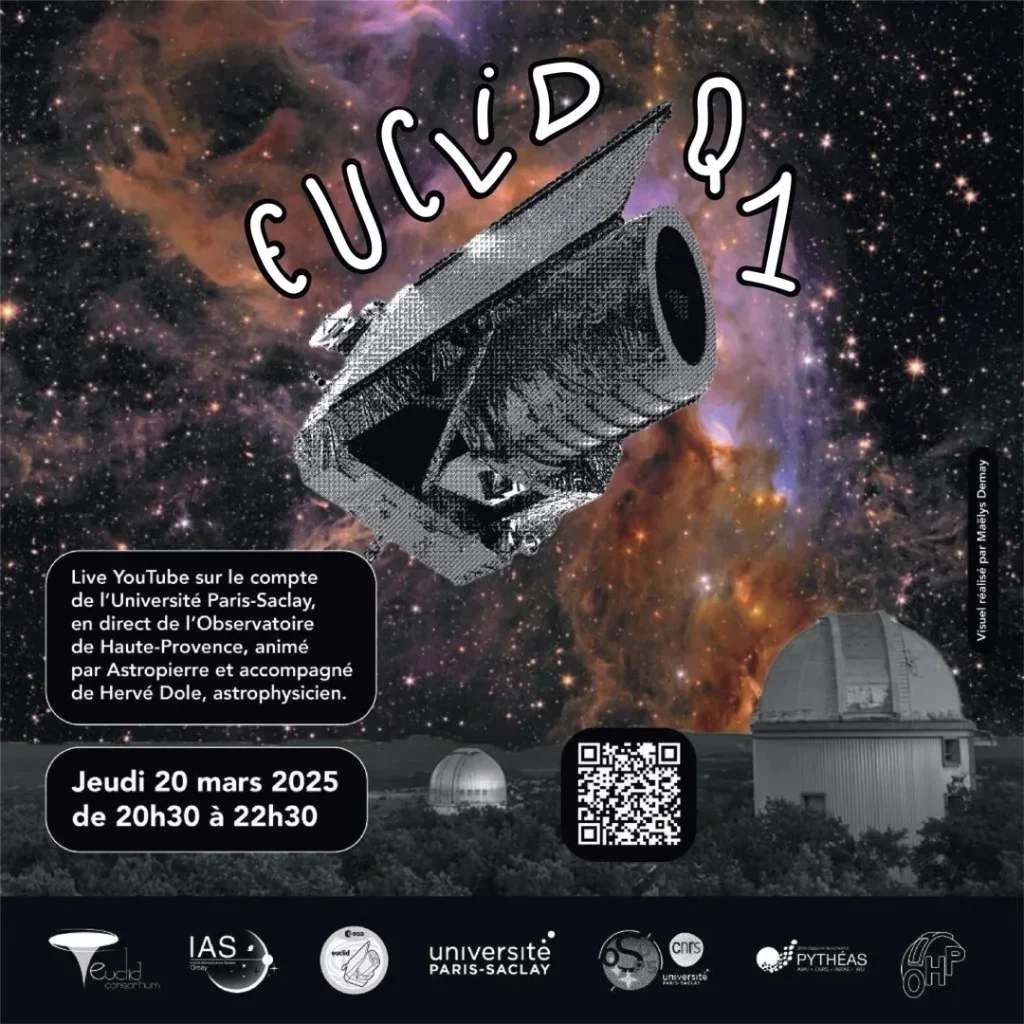
On Wednesday, March 19, 2025, at noon, ESA will release the first survey data from the Euclid space mission.
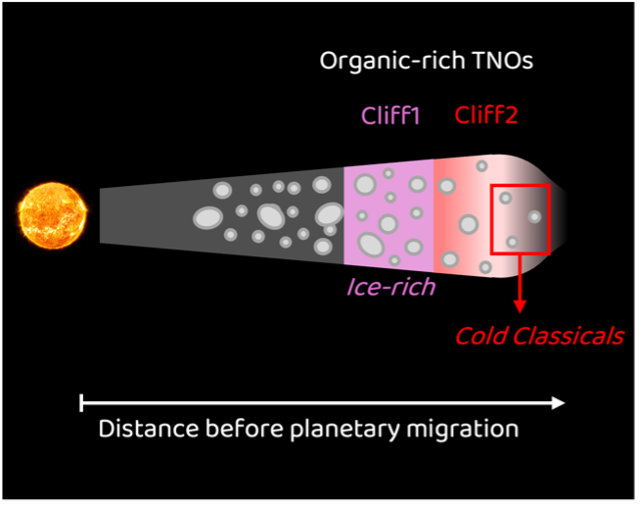
The James Webb Space Telescope (JWST) is revolutionizing our understanding of trans-Neptunian objects (TNOs), the icy remnants of planetary formation.
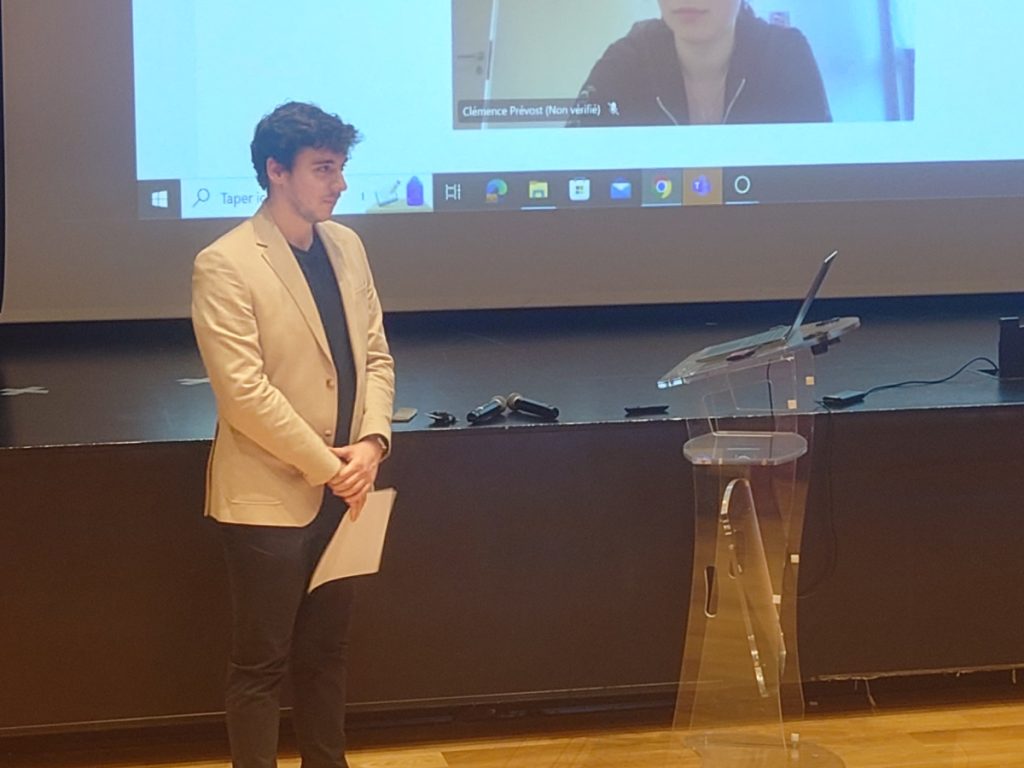
Dan Pineau, from the AMIS team, successfully defended his thesis on the fusion of imaging and spectroscopy data, with applications to JWST data.
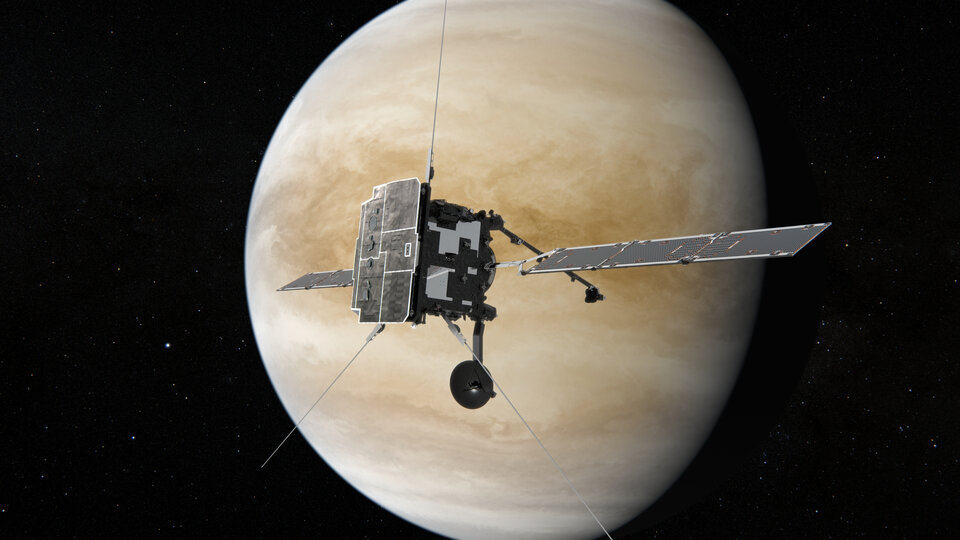
Since its launch in 2020, Solar Orbiter has performed several gravity assist maneuvers around Earth and Venus to progressively shrink its orbit and bring it closer to the Sun. However, it had never approached a planet as closely as it did on February 18, 2025, passing just 379 km from Venus.
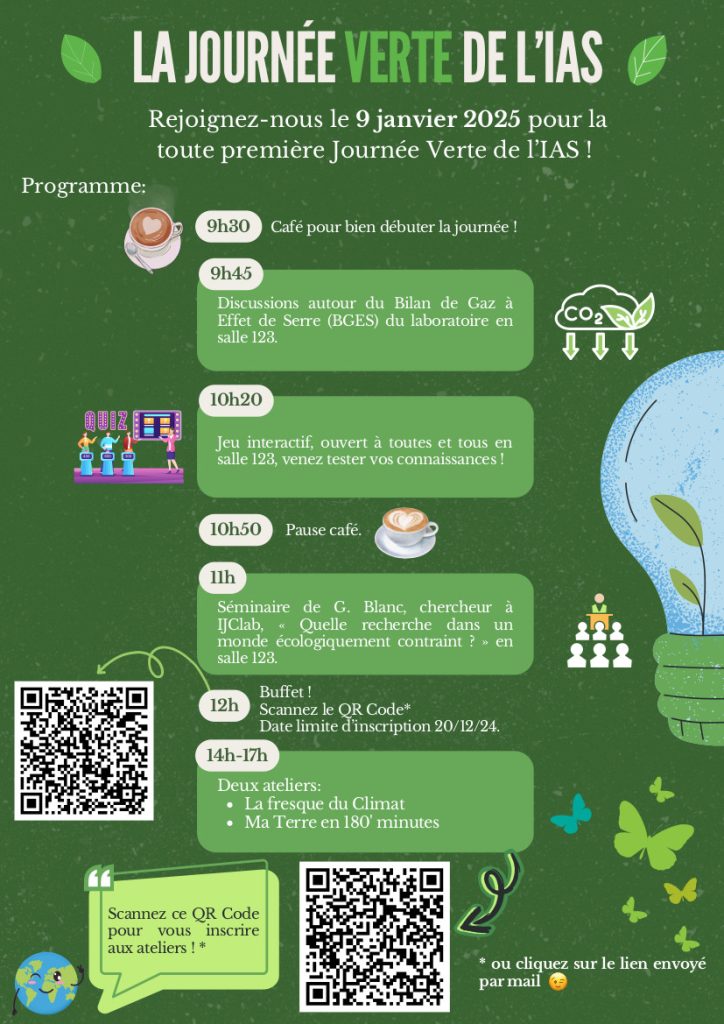
The Institut d'Astrophysique Spatiale (IAS) opens its doors for an afternoon dedicated to scientific discovery, exchange, and curiosity on Sunday, October 4th, from 2:00 PM to 6:00 PM at Building 121, Rue Jean-Dominique CASSINI in Orsay (Université Paris-Saclay).
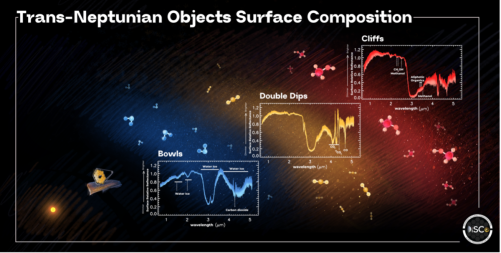
The DiSCo program, using the James Webb Telescope, identifies three types of TNOs whose chemical composition, linked to their origin in the protoplanetary disk, sheds light on planetesimal formation and the dynamical evolution of the early Solar System.
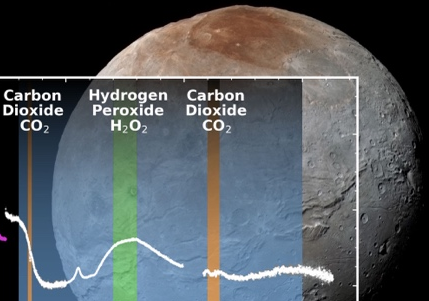
A study involving the IAS has just revealed the presence of new molecules on the surface of Charon, Pluto's largest satellite, thanks to observations from the James Webb Space Telescope (JWST).