
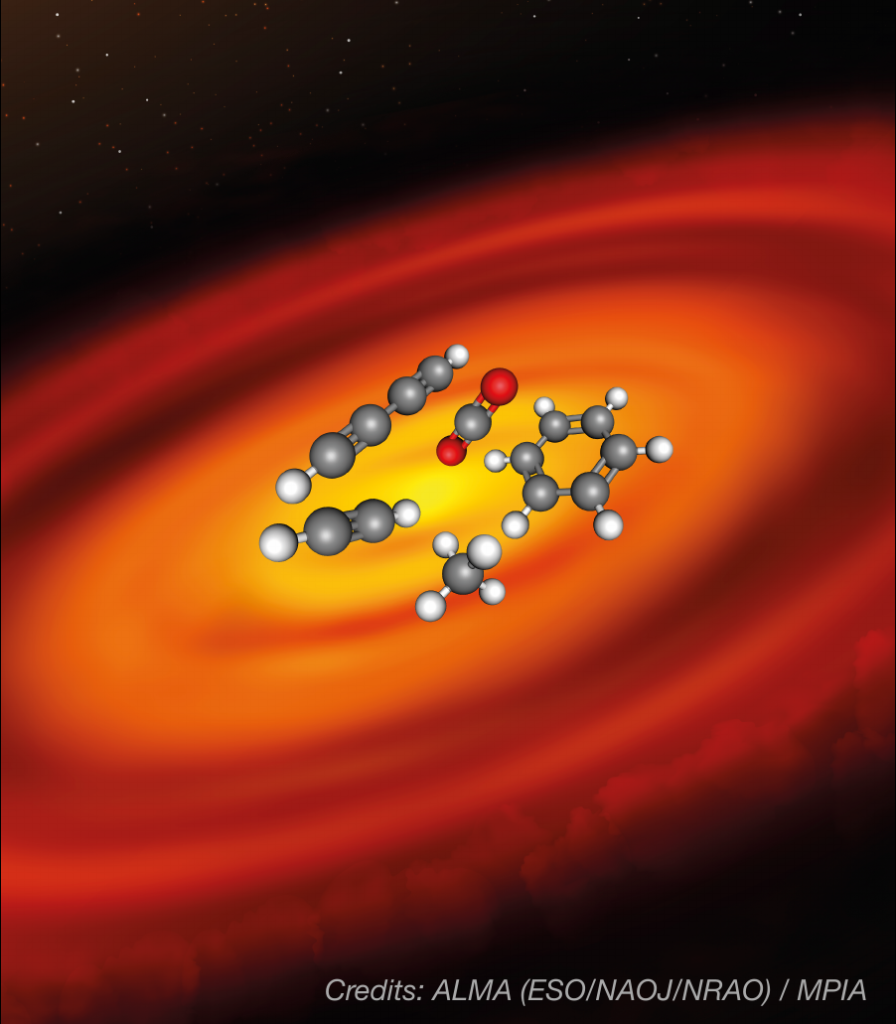
JWST Reveals the Composition of a Protoplanetary Disk
An international research team involving the IAS has just revealed the chemical composition of a disk of matter rotating around a young star, where new planets are forming.

An international research team involving the IAS has just revealed the chemical composition of a disk of matter rotating around a young star, where new planets are forming.
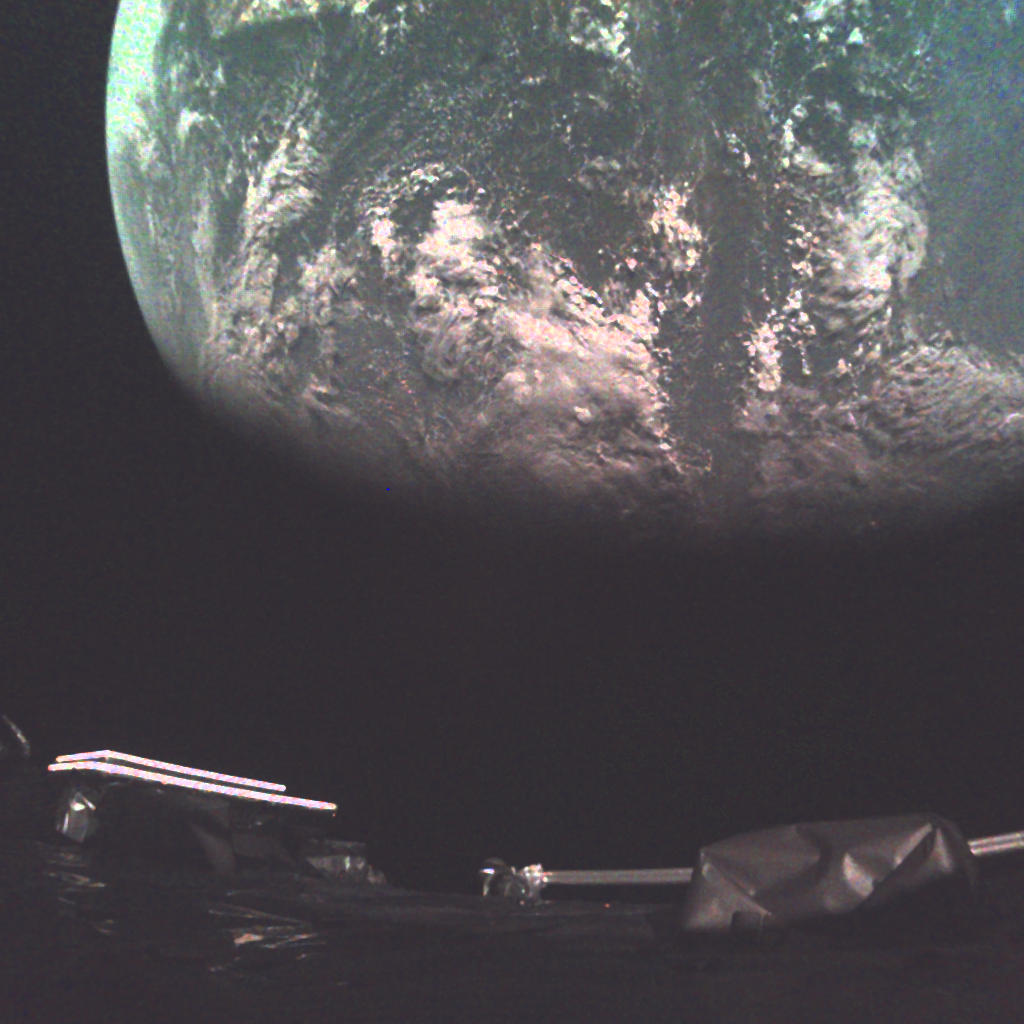
The launch of the European Space Agency's JUICE mission was successfully executed using the penultimate Ariane 5 rocket on Friday, April 14, 2023, at 14:14 Paris time.
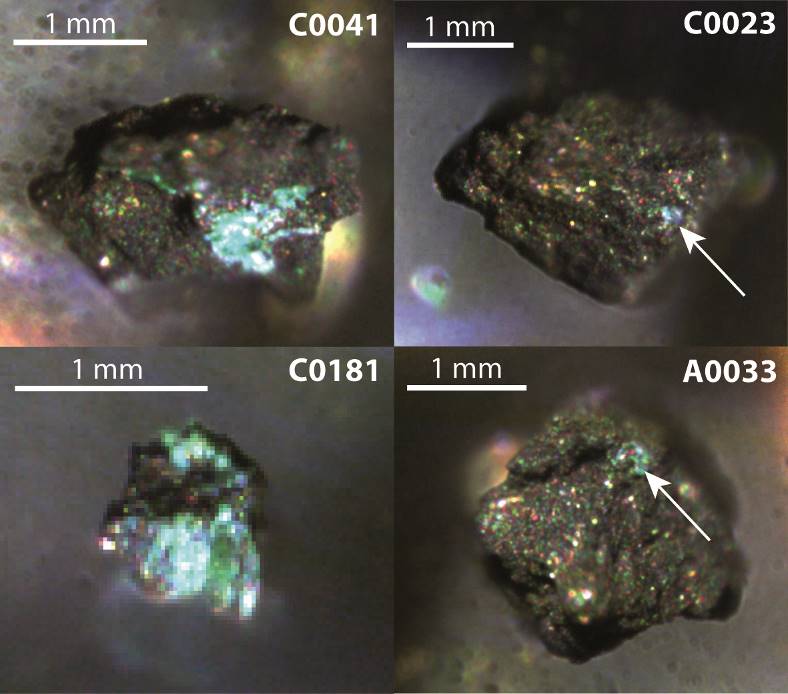
A new study based on data from the MicrOmega instrument—which is currently participating in the analysis of samples from the Ryugu asteroid returned by JAXA's Hayabusa2 mission—has characterized and mapped various carbonate mineral types within the samples, shedding valuable light on the early days of the Solar System.

IDOC has just been awarded CoreTrustSeal certification!

Each year, the Chancellerie Award recognizes the research work of young PhD graduates from Île-de-France universities across various academic disciplines (law, medicine, sciences, humanities, etc.)
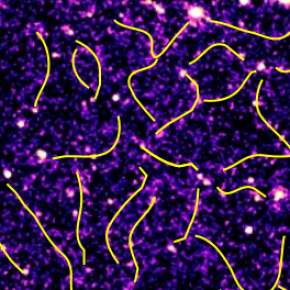
In a recent study, the ByoPiC team leveraged the latest X-ray survey, SRG/eROSITA, to unequivocally confirm the detection of an X-ray signal associated with the thermal emission of hot plasma within cosmic filaments.
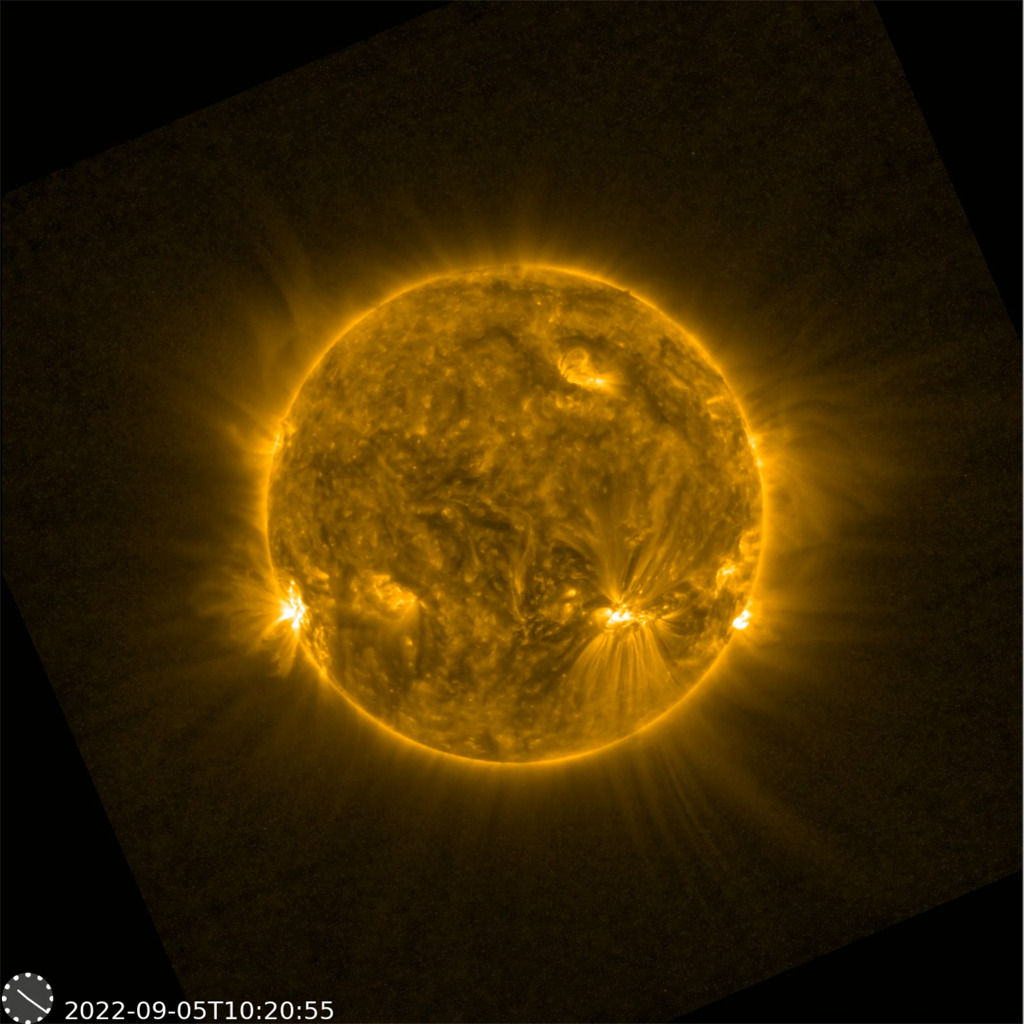
The EUI (Extreme Ultraviolet Imager) instrument onboard the Solar Orbiter mission continues to reveal new types of phenomena in the solar atmosphere.
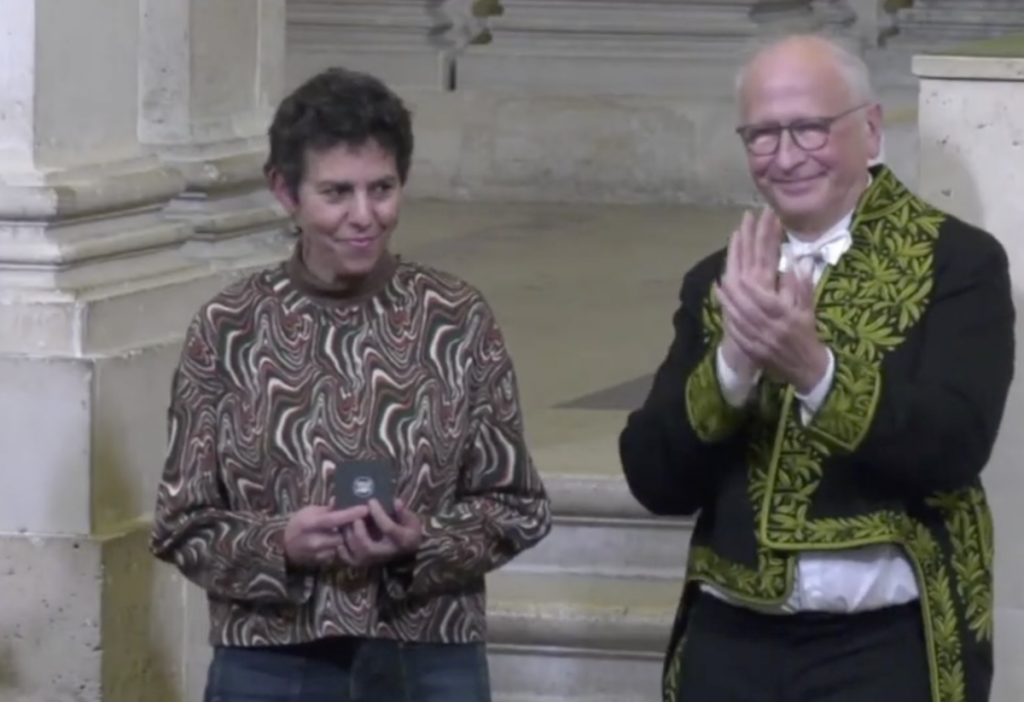
The 2022 Huy Duong Bui Grand Prize has been awarded to Nabila AGHANIM.
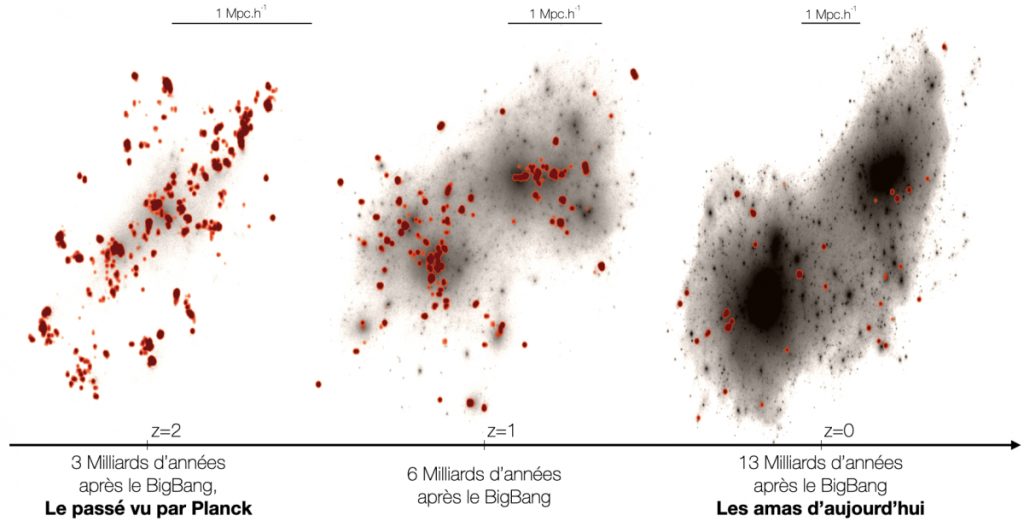
For the first time, distant galaxy clusters discovered by the Planck satellite are explained by simulations that also predict their future evolution.
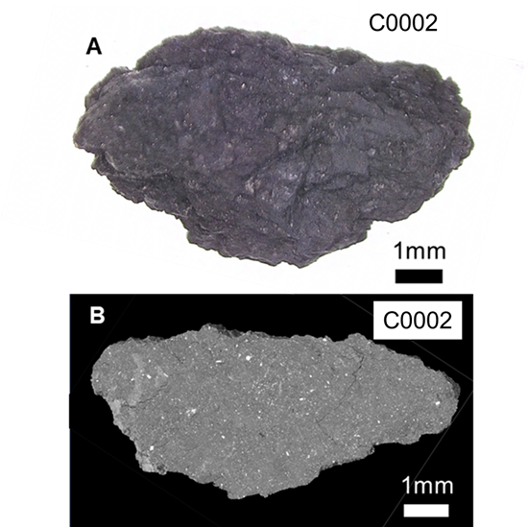
The Japanese JAXA Hayabusa2 mission has returned samples from the primitive carbonaceous asteroid Ryugu.