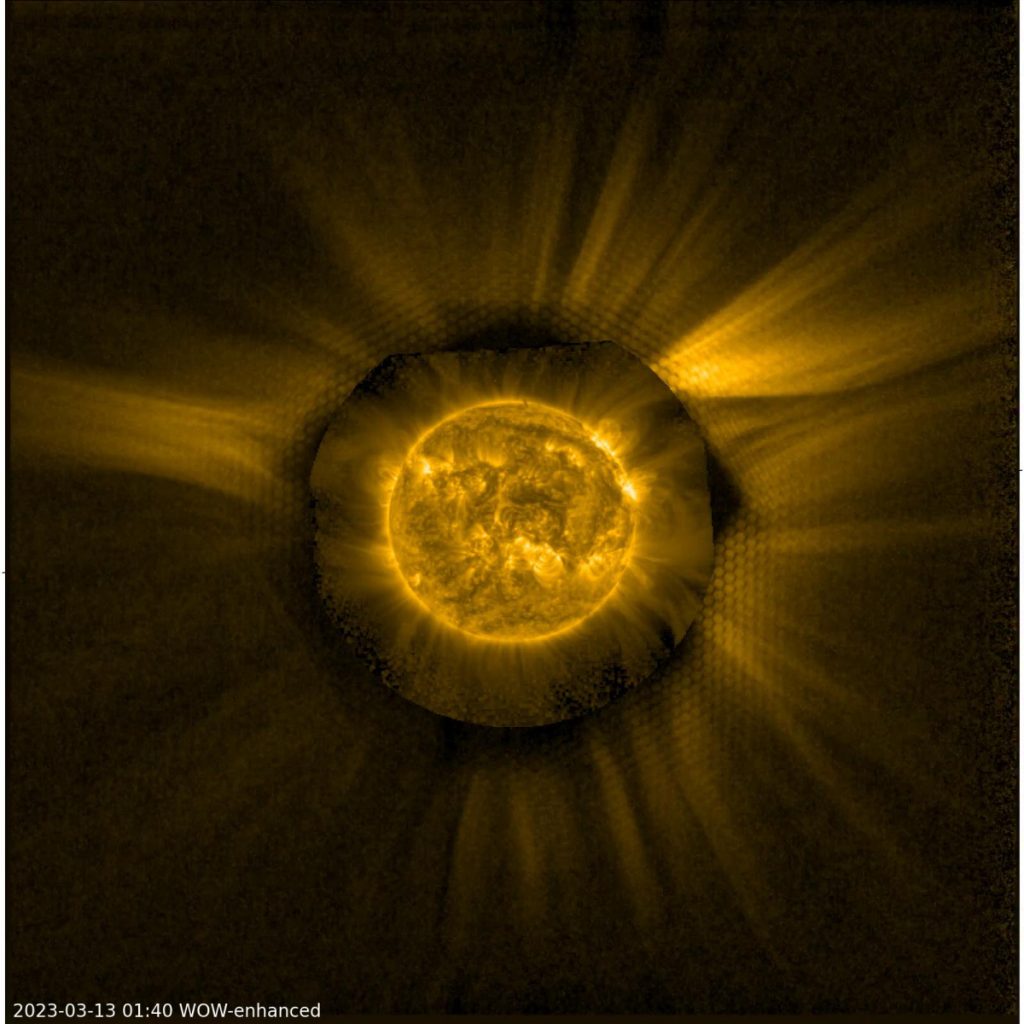
A Workaround Enables Solar Orbiter to Observe the Distant Corona in Extreme UV
A last-minute modification to the EUI (Extreme Ultraviolet Imager) instrument aboard the Solar Orbiter mission allows us to obtain new views of our star's corona.

A last-minute modification to the EUI (Extreme Ultraviolet Imager) instrument aboard the Solar Orbiter mission allows us to obtain new views of our star's corona.
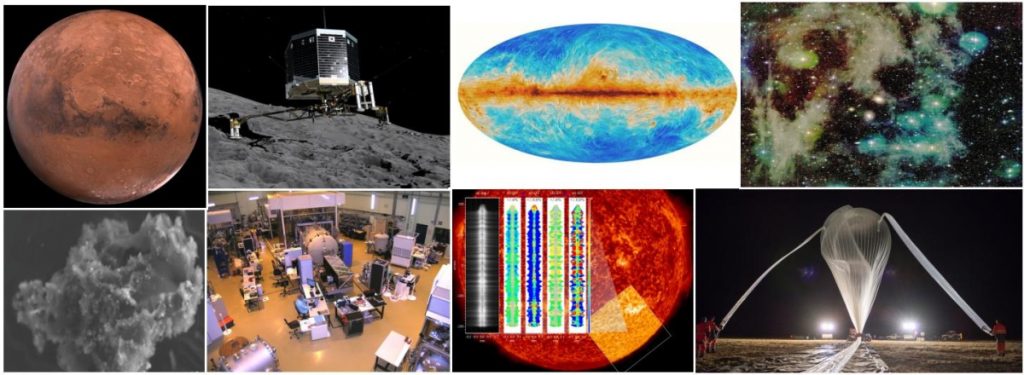
To mark the Year of Physics (2023-2024), the Institut d'Astrophysique Spatiale welcomes you to its facilities to meet its researchers and discover the secrets of the universe during the 2023 Fête de la Science.
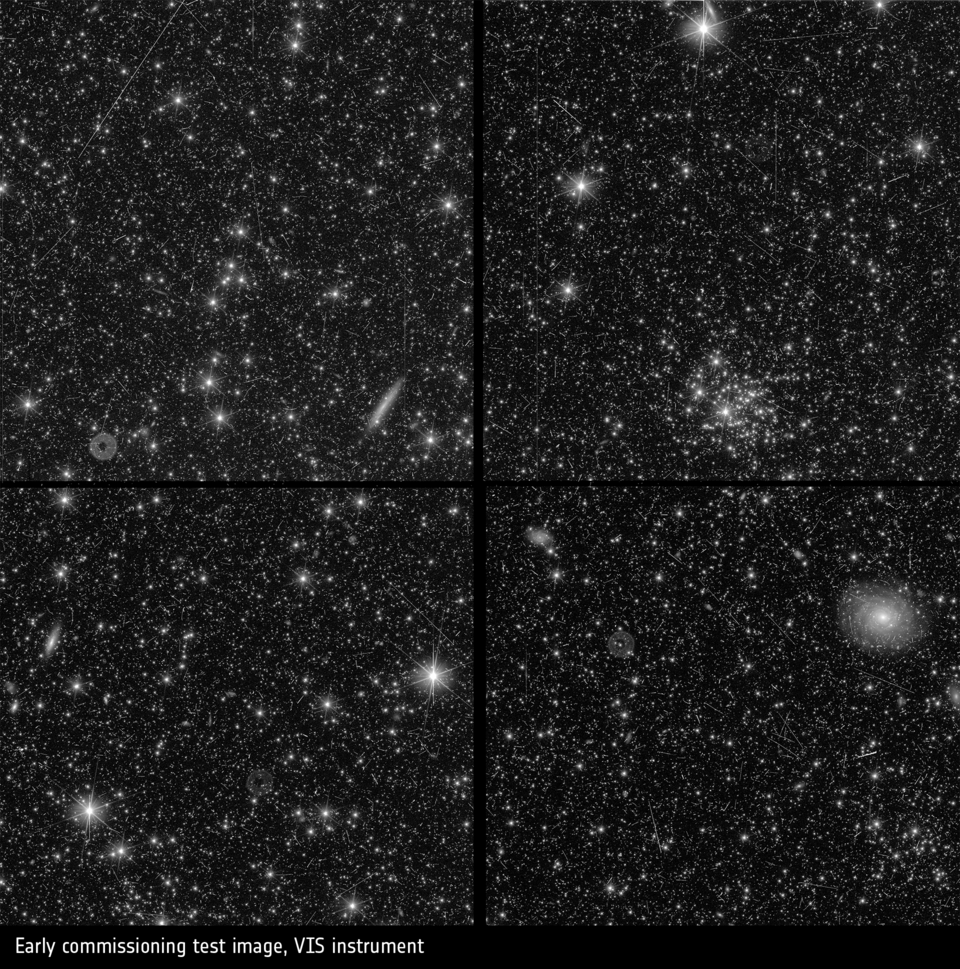
Euclid's two instruments have captured their first test images.
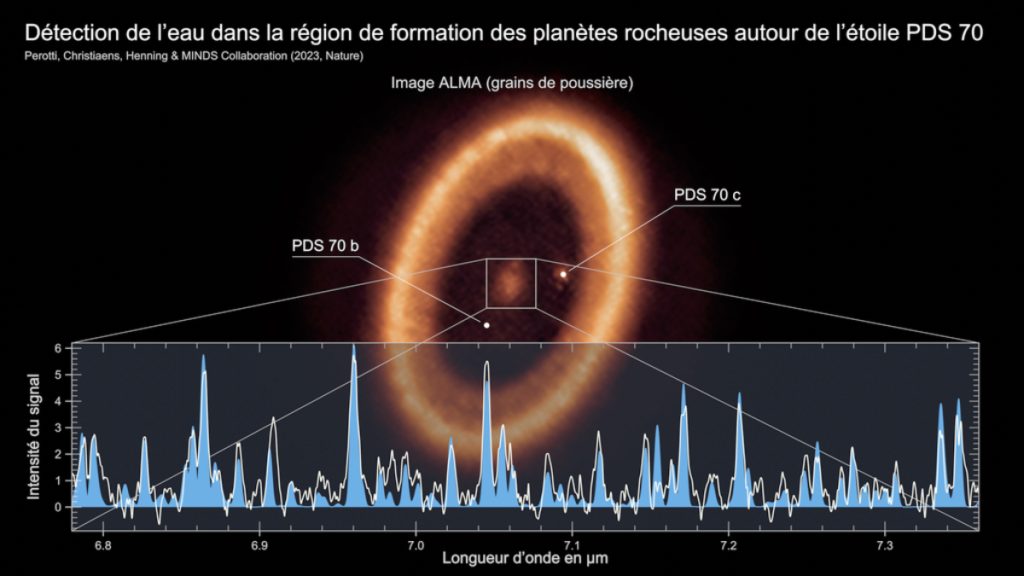
Water is essential for life on Earth.
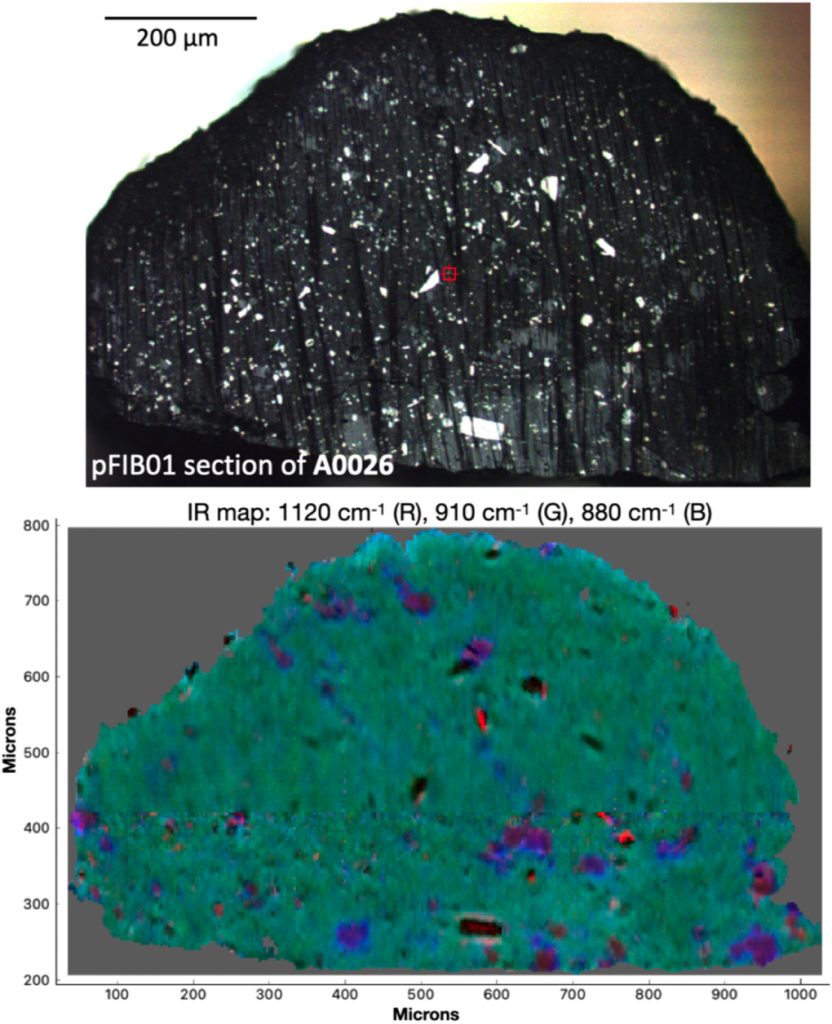
A team of scientists from the IAS has identified a phase of ammonium-rich phyllosilicates (NH4+) in samples collected from the surfaces of two asteroids, Ryugu and Bennu. This is a first for this type of extraterrestrial material. This discovery, published in Nature Communications, demonstrates that ammonium is a key link in nitrogen chemistry for all so-called "primitive" small bodies, whether carbonaceous asteroids or comets.
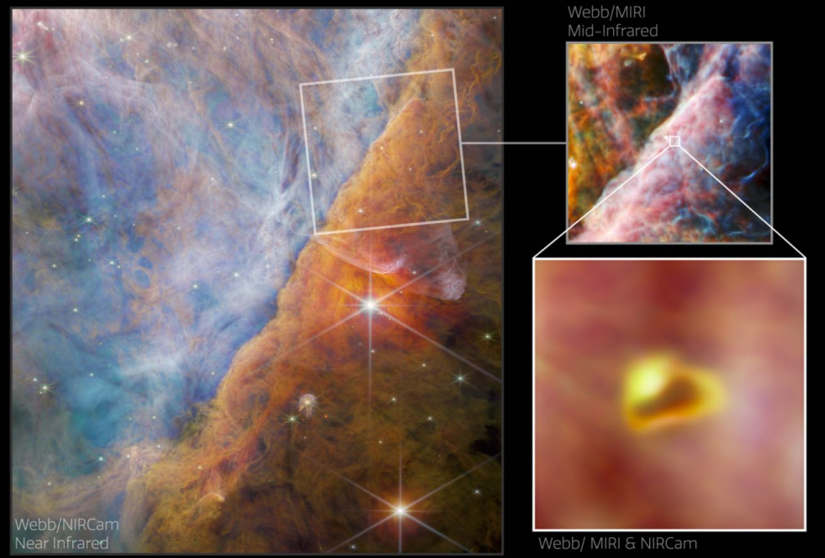
An international research team involving the IAS has just revealed the chemical composition of a disk of matter rotating around a young star, where new planets are forming.
The IAS is in the spotlight following the awards granted at the SF2A and the Euclid consortium meeting!
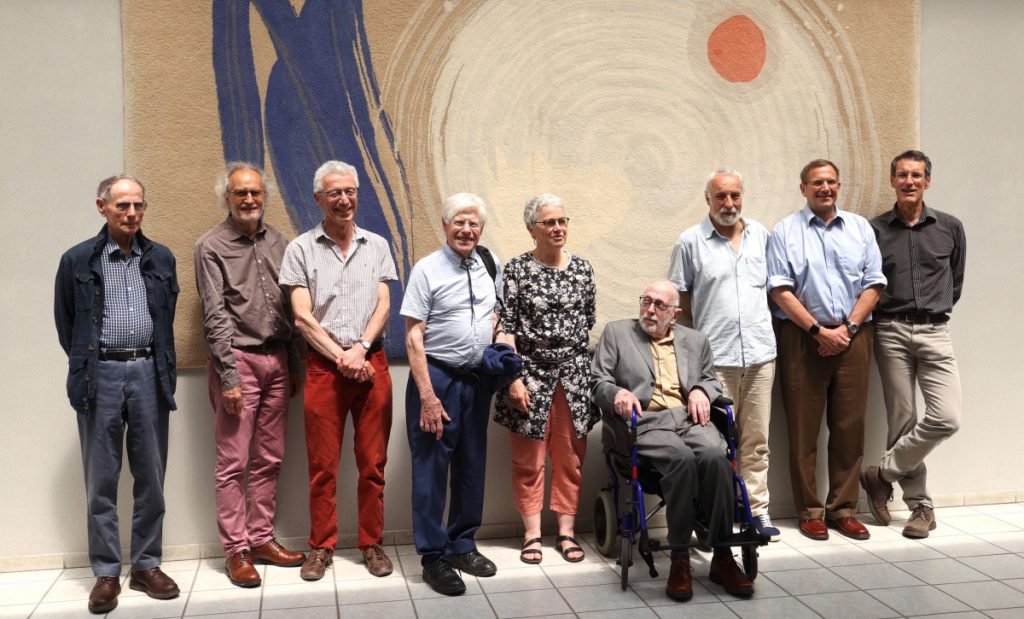
On June 8, 2023, IAS celebrated its 30th anniversary in the presence of its parent institutions, CNRS/INSU and Université Paris-Saclay, as well as CNES.
Friday, June 2nd marked the 20th anniversary of the launch of the first ESA probe to another planet, Mars.