
Optics
Overview
The Optics Team aims to develop scientific instruments for space astrophysics research in collaboration with our researchers.
From the design to the development of onboard instruments, our work spans many areas of instrumentation: mini-cameras, microscopes, spectrometers, spectro-imagers, and large telescopes. Our activities are organized around national (CNES), European (ESA), and international (NASA, JAXA) projects.
The optics department has a staff of 6 people.
We are specialists in space-based optical instrumentation. We have developed various types of onboard optical instruments, such as telescopes, cameras, microscopes, spectrometers, and spectro-imagers. The spectral range of our experiments varies from the extreme ultraviolet, ultraviolet, visible, and infrared to the submillimeter, depending on scientific requirements.
- Serve as experts or consultants to scientists and space agencies in the design, development, and analysis of space instruments.
- Be involved in all phases of development, from preliminary studies, design, modeling, performance analysis, implementation, and integration, through to instrument testing and calibration.
- Perform instrumental pieces.
Manage project development.
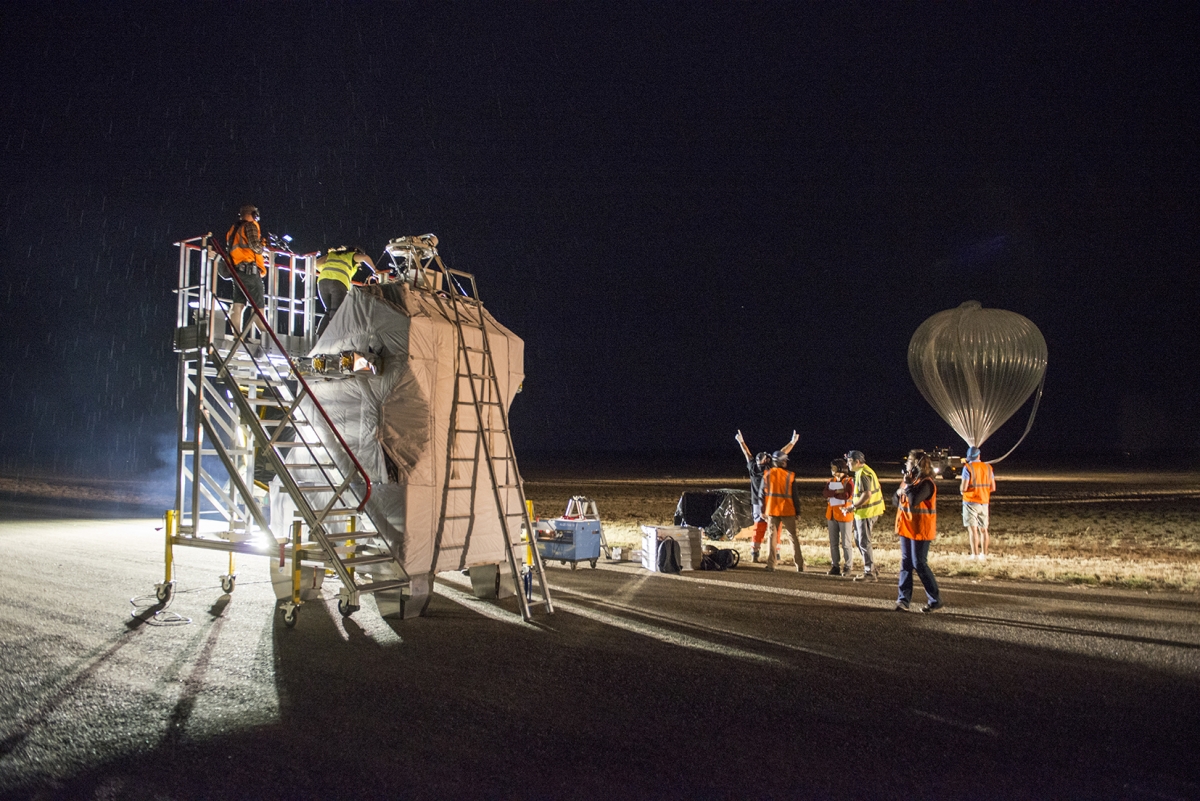
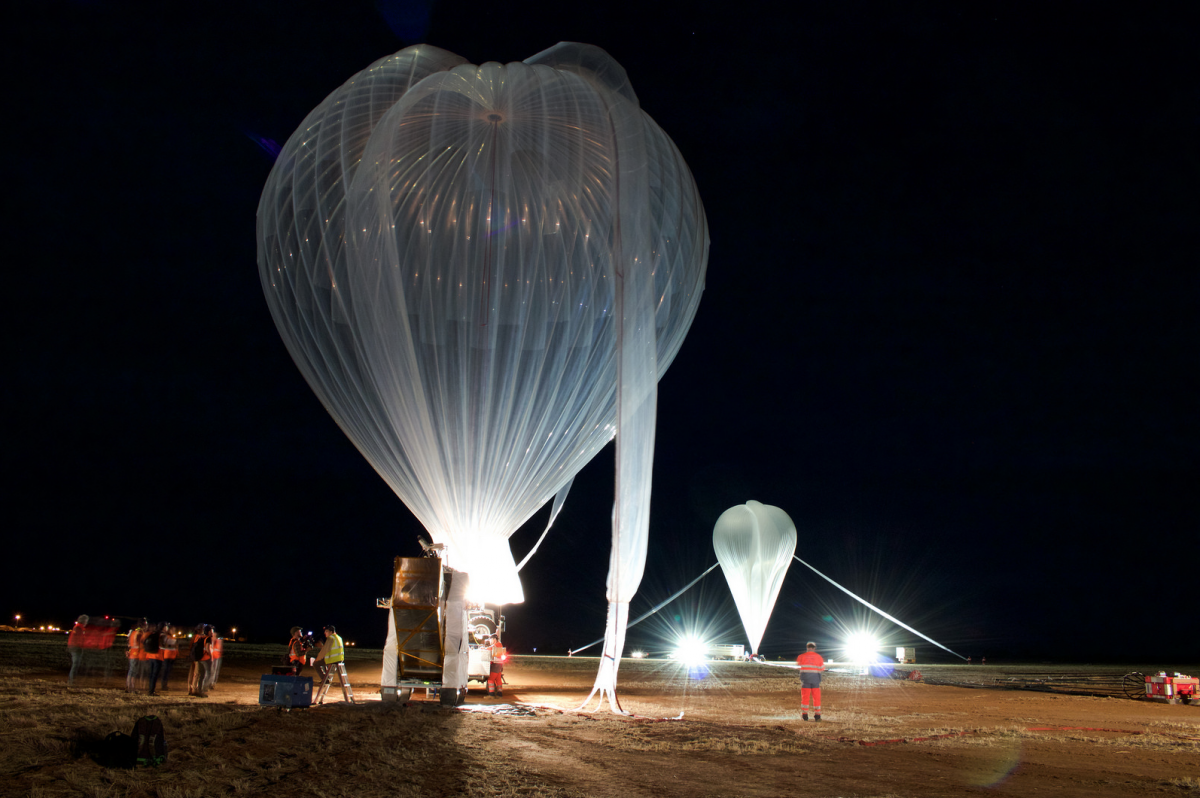
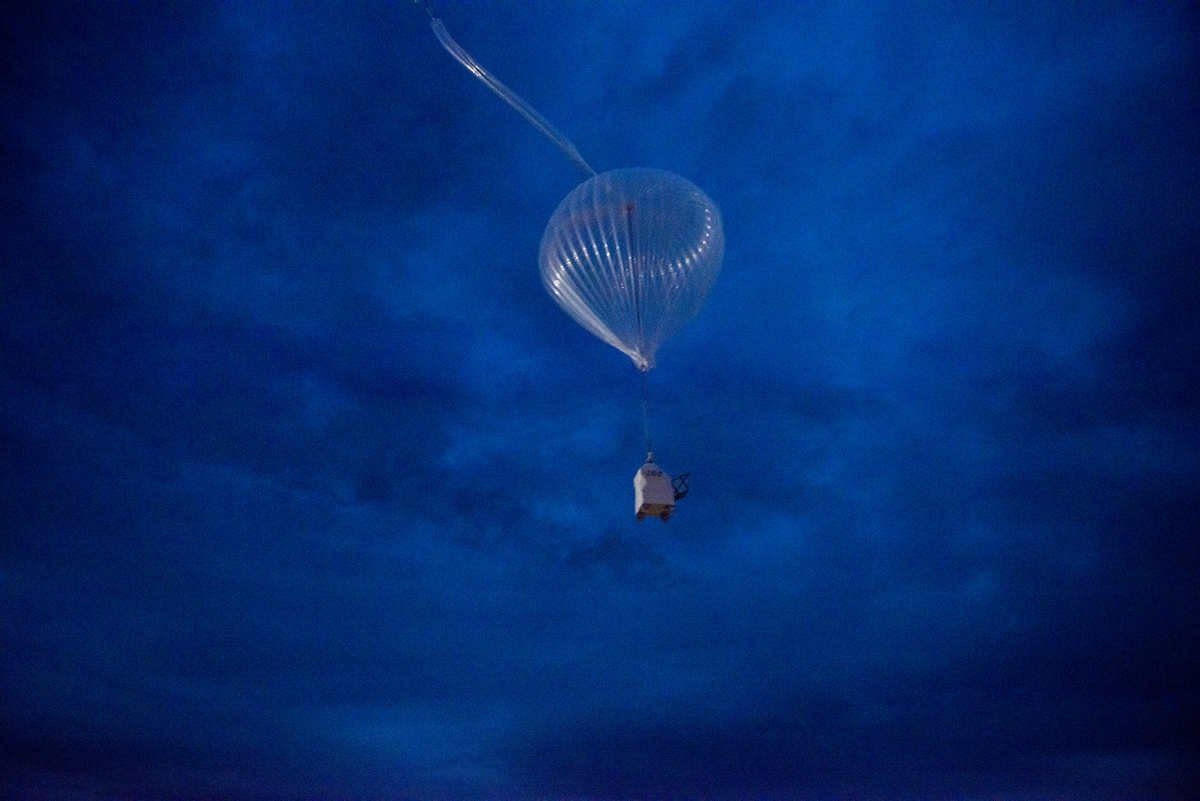
Credit: CNES/OMP/IRAP/UT3/CNRS/SebasJen Chastanet
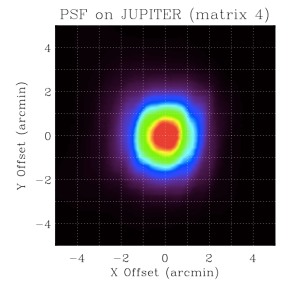
Image of Jupiter, FWHM = 2.2 arcminutes
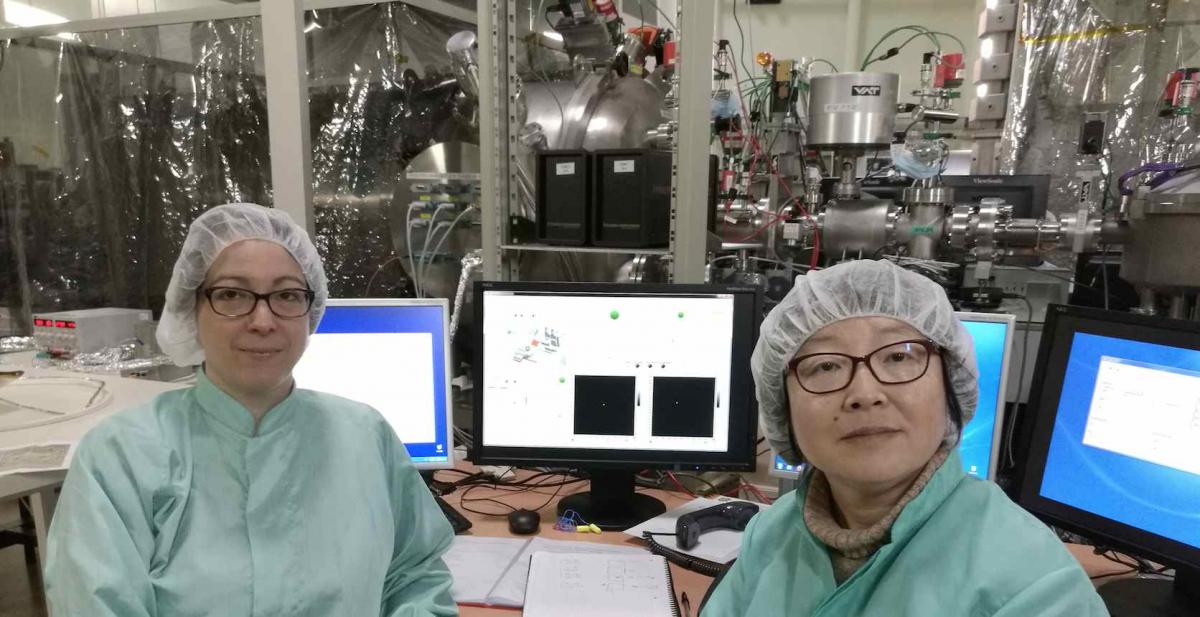
The characterization of the flight-model cameras for the EUI instrument on Solar Orbiter was successfully tested at the IAS in the Neptune chamber using the UV line. The cameras have been delivered.
The Team
- Nina Bizien(IR, Solar C Fixed-Term Contract)
- Sathyne Duquenoy (Intern)
- Vincent Hamm(Permanent Researcher at IR CNRS)
- Norma Patricia Hurtado Galleguillos(IR, Ariel Fixed-Term Contract)
- Benoît Lecomte(Department Head, Permanent IR CNRS)
- Anne Philippon(Technical Manager, Permanent IR CNRS)
- Axel Soyer(Sup-Optique apprentice)
- Xueyan Zhang(Permanent Researcher at the CNRS)
Technical Resources
Spectrometers
- Newport CorneStone 260 covers the spectral range from 300 to 2,500 nm
- StellarNet Inc. EPP2000
Monochromators
- CorneStone 130 Visible
- CorneStone 130 IR
- Horiba iHR550
Theodolites
- 2 Leica TM6100A theodolites
- 1 Wild T1600 theodolite
- 2 Kern theodolites
Autocollimator
Nachet F500
Wavefront Analyzer
HASO 32
Newtonian Collimator (F3000, D300, d50)
SIOS Two-Path Interferometer
Share-Plate Collimation Tester (Melles Griot)
Laser Sources
- Dye laser
- ExciStar XS 193 nm Laser
- Super Continuum Laser
- HeNe laser (543 nm, 633 nm)
Sources
- Xenon Lamp
- QTH Lamp
- Source: VUV (Hamamatsu)
Microscope
Nachet 300
Goniometer
Sensors
International Light IL1700 SED033, SED 240
Design and Modeling Tools
- Zemax
- ASAP
- Grasp
- MacLeaod
Projects
The Optics Department has developed and/or integrated optical systems for the following projects:
MICROMEGA / PHOBOS-GRUNT