
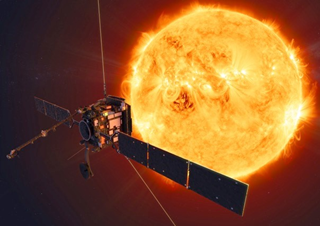
Solar Orbiter
Solar Orbiter is a mission dedicated to solar and heliospheric physics.
Solar Orbiter is a mission dedicated to solar and heliospheric physics.

Planck helps provide answers to some of modern science's most profound questions: how the Universe began, how it evolved into the state we observe today, and how it may continue to evolve in the future.
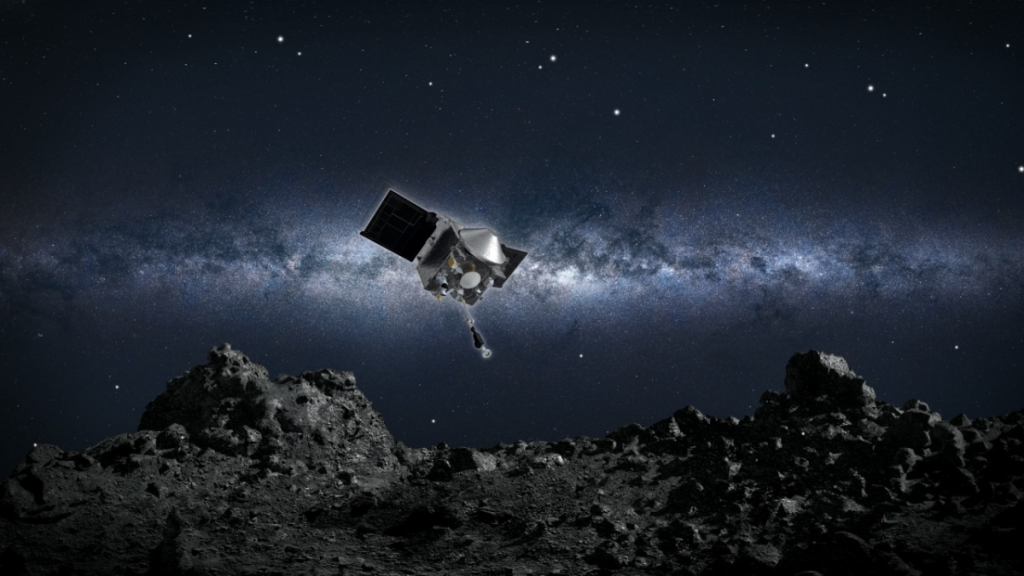
OSIRIS-REx (Origins, Spectral Interpretation, Resource Identification, Security, Regolith Explorer) is a NASA space mission designed to return samples from the carbonaceous near-Earth asteroid Bennu to Earth in late 2023.
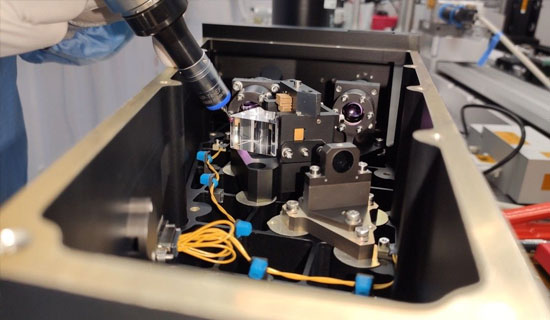
ARIEL is a space telescope designed to systematically survey the atmospheres of a thousand extrasolar planets—ranging from gas giants to rocky planets, both hot and temperate—orbiting various stellar types.
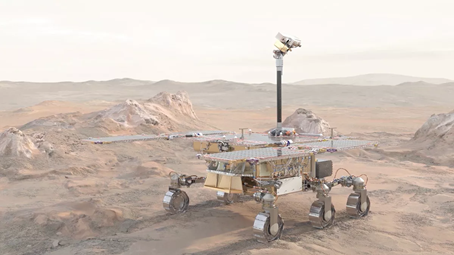
Mars is a key target in planetary science, notably due to the preservation of ancient terrains (-4.5 to -3.7 billion years) in the southern highlands, dating back to Earth's earliest epochs.
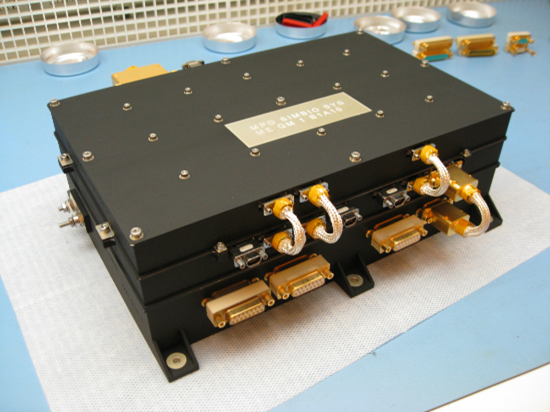
The BepiColombo mission was launched on October 19, 2018, to observe the planet Mercury starting in 2026.

The primary objectives of the JUICE (Jupiter Icy Moons Explorer) mission are to perform detailed observations of the giant planet Jupiter and its icy moons (Ganymede, Europa, and Callisto) in order to better understand the physical processes governing the Jovian system and to constrain the habitability of the icy moons.