
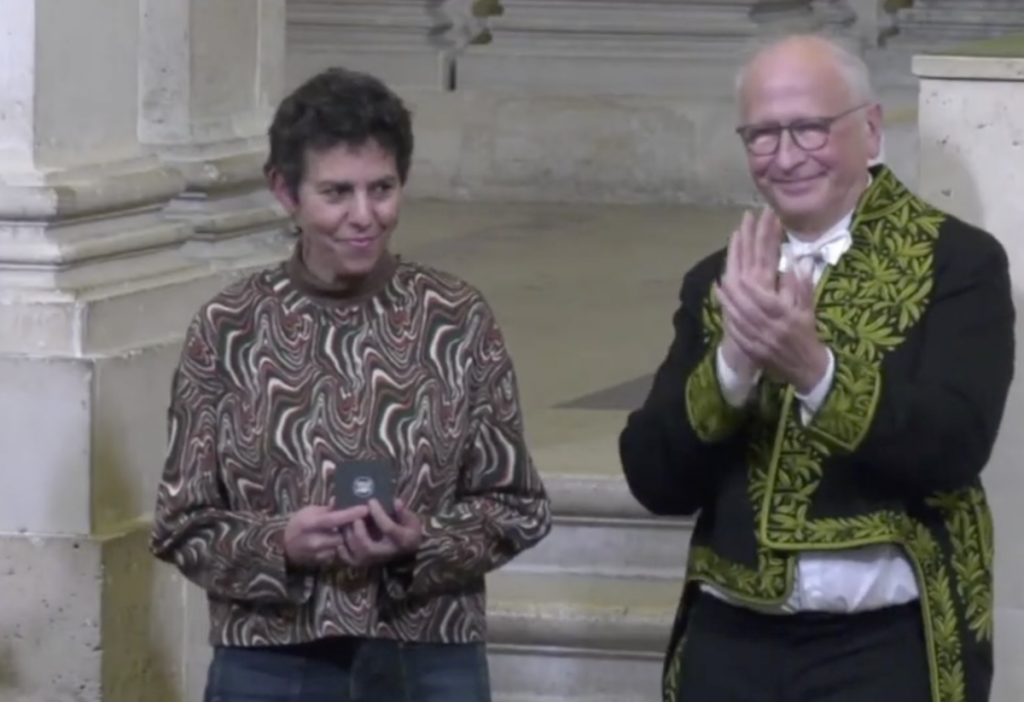
Nabila Aghanim receives the 2022 Huy Duong Bui Award from the Academy
The 2022 Huy Duong Bui Grand Prize has been awarded to Nabila AGHANIM.
The 2022 Huy Duong Bui Grand Prize has been awarded to Nabila AGHANIM.
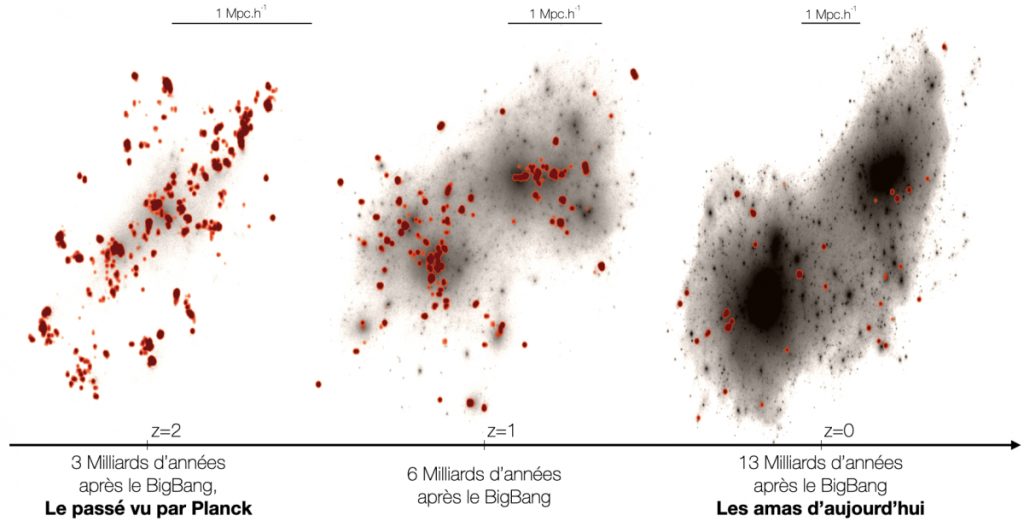
For the first time, distant galaxy clusters discovered by the Planck satellite are explained by simulations that also predict their future evolution.
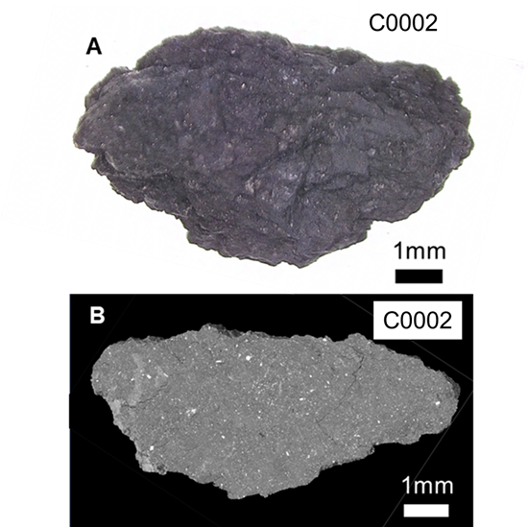
The Japanese JAXA Hayabusa2 mission has returned samples from the primitive carbonaceous asteroid Ryugu.
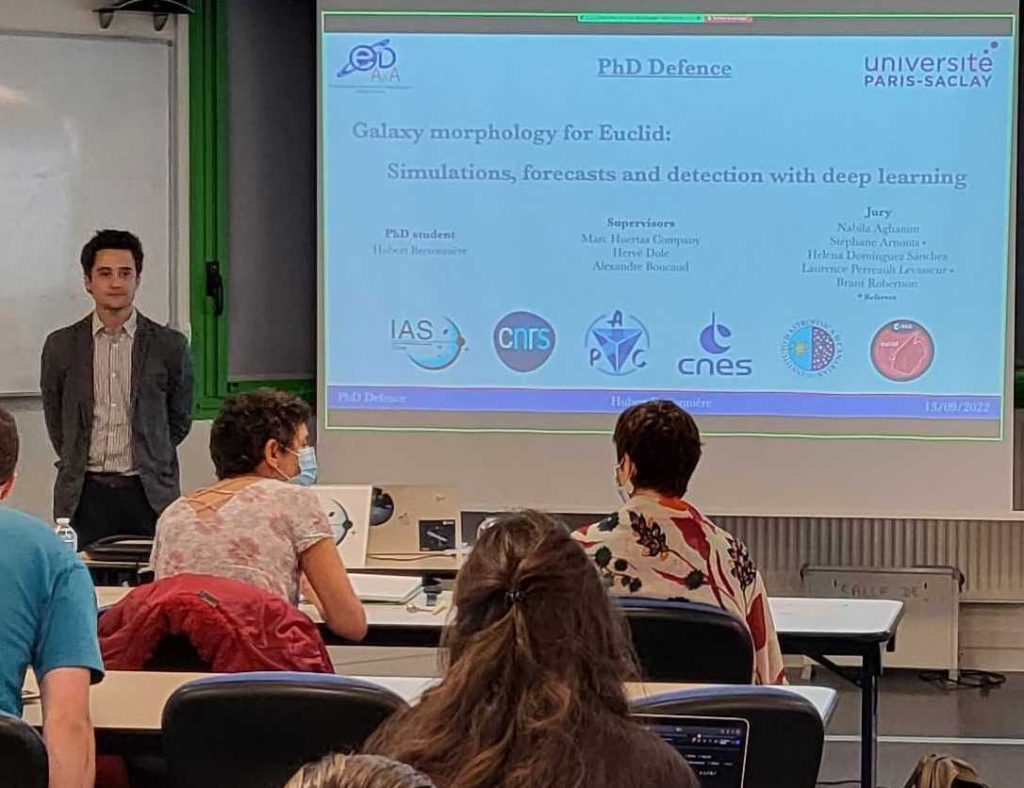
Hubert Bretonnière, from the Cosmology team, successfully defended his PhD thesis entitled "Galaxy morphology for Euclid: Simulations, forecasts and detection with deep learning", supervised by Hervé Dole, Marc Huertas-Company, and Alexandre Boucaud.
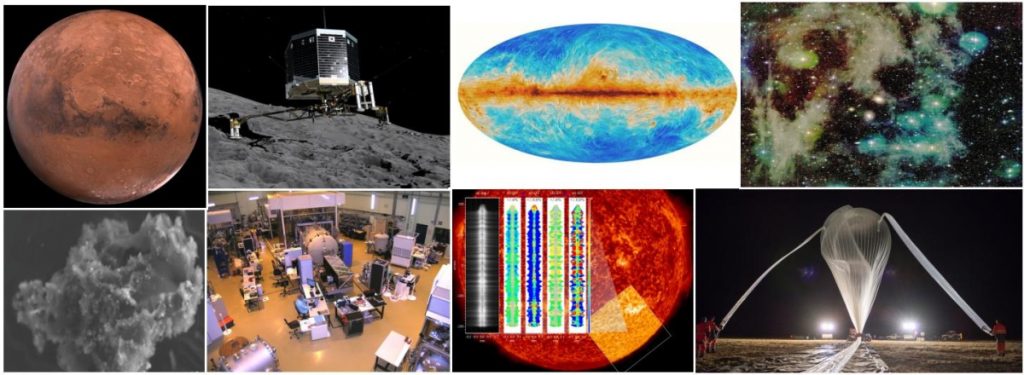
As part of the Fête de la Science, IAS will open its doors to the public on Sunday, October 9, 2022, from 2:00 PM to 6:00 PM.
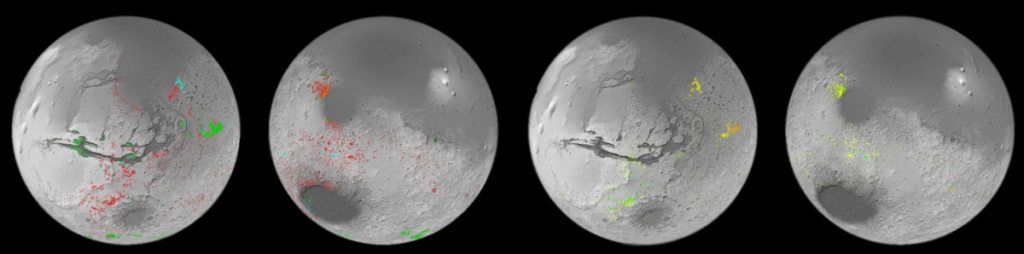
Research conducted within the Solar System team has provided the first global, high-resolution map of hydrated minerals on the Martian surface.
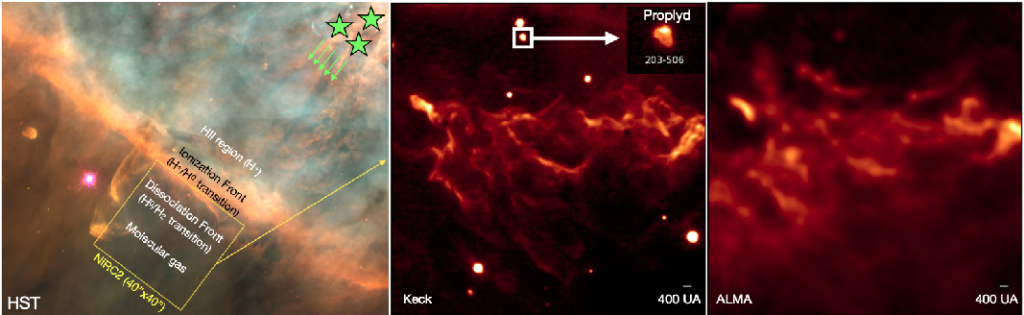
A team of scientists from the IAS has identified a phase of ammonium-rich phyllosilicates (NH4+) in samples collected from the surfaces of two asteroids, Ryugu and Bennu. This is a first for this type of extraterrestrial material. This discovery, published in Nature Communications, demonstrates that ammonium is a key link in nitrogen chemistry for all so-called "primitive" small bodies, whether carbonaceous asteroids or comets.
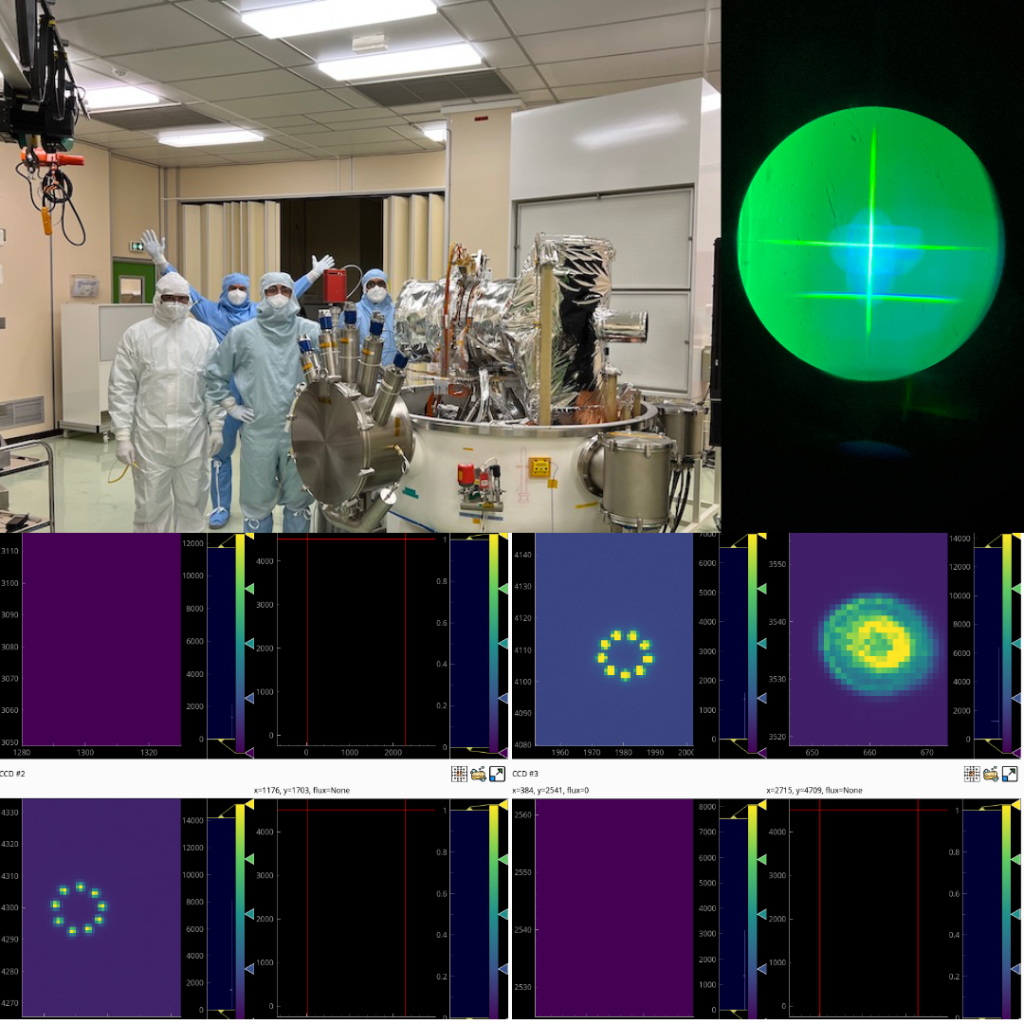
The PLATO project has reached a decisive milestone in the development of the flight camera calibration facility at IAS.
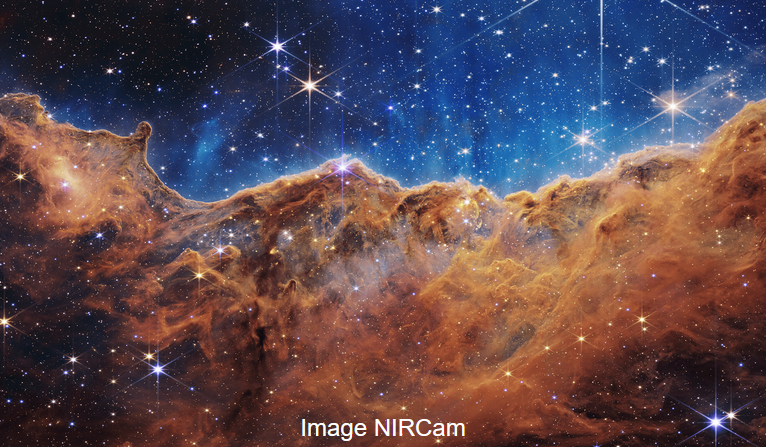
The initial data were presented on Tuesday, July 12.

On June 29, 2022, Adélie Gorce received the Astronomy & Astrophysics journal "Best Thesis" award during a ceremony at the annual meeting of the European Astronomical Society.