
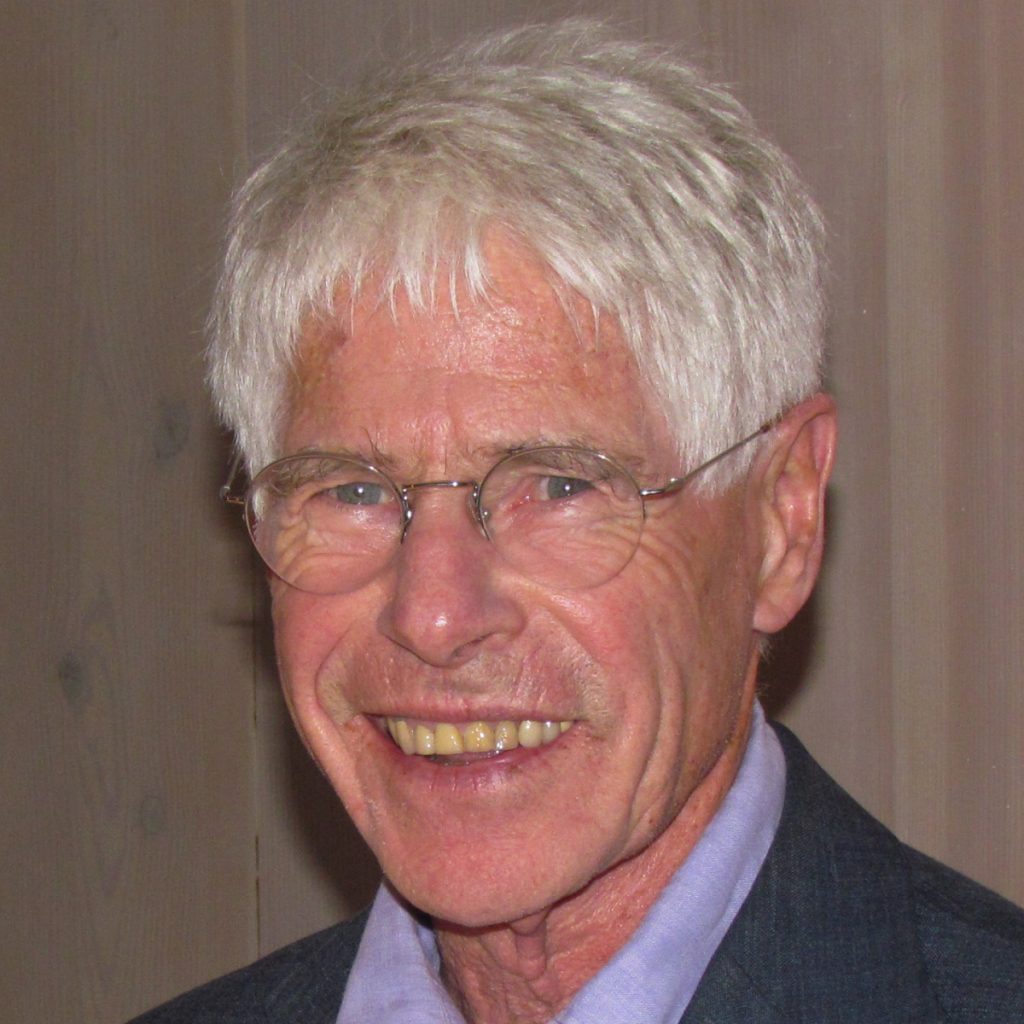
Roger-Maurice Bonnet (1937–2026): A Life Dedicated to Space Science
A great scientist who changed the course of space physics has just passed away; his legacy is immense, and his story began with the dawn of the space age.
A great scientist who changed the course of space physics has just passed away; his legacy is immense, and his story began with the dawn of the space age.
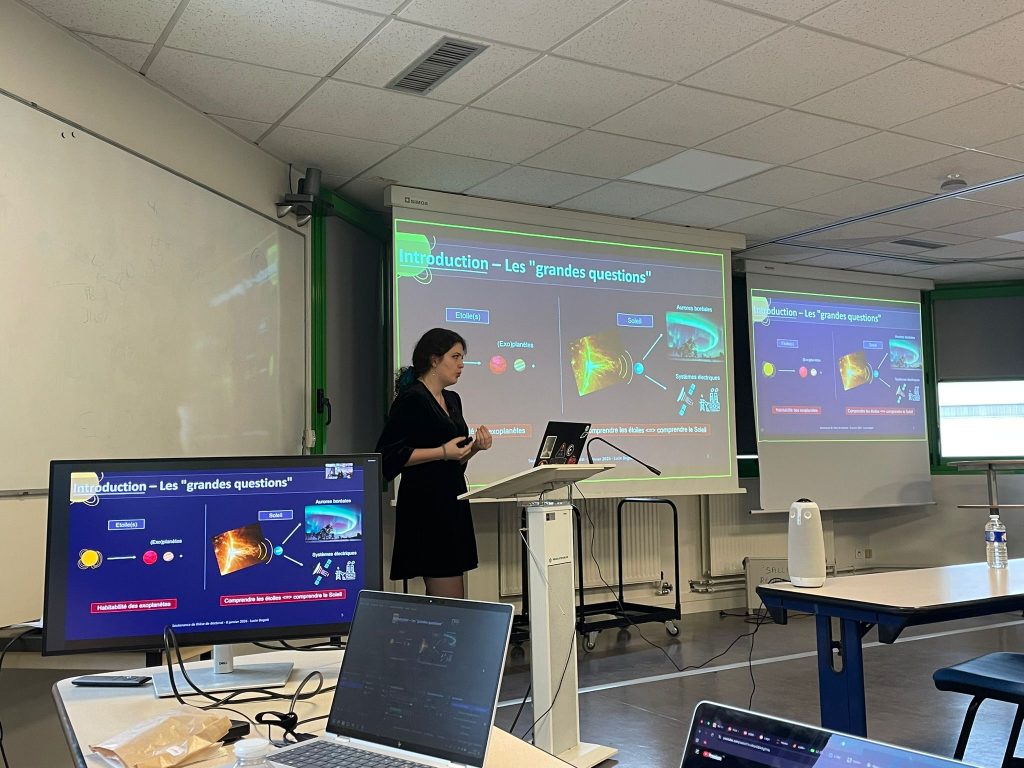
Lucie Degott, a member of the Solar and Stellar Physics team, successfully defended her dissertation on January 8, 2026, on “Stellar Magnetism in the Era of High-Precision Photometric Missions.”
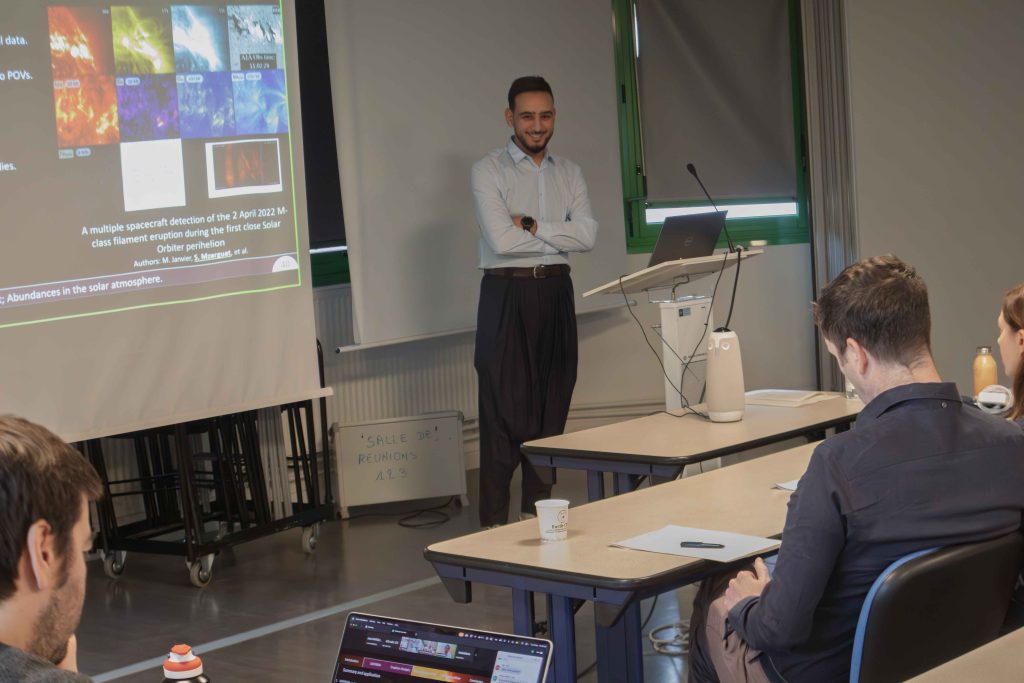
Slimane Mzerguat, a member of the Solar and Stellar Physics team, successfully defended his dissertation on December 9, 2025, on “The Evolution of Transient Structures and Their Composition in the Solar Corona: A Multi-Instrument Study with Solar Orbiter.”
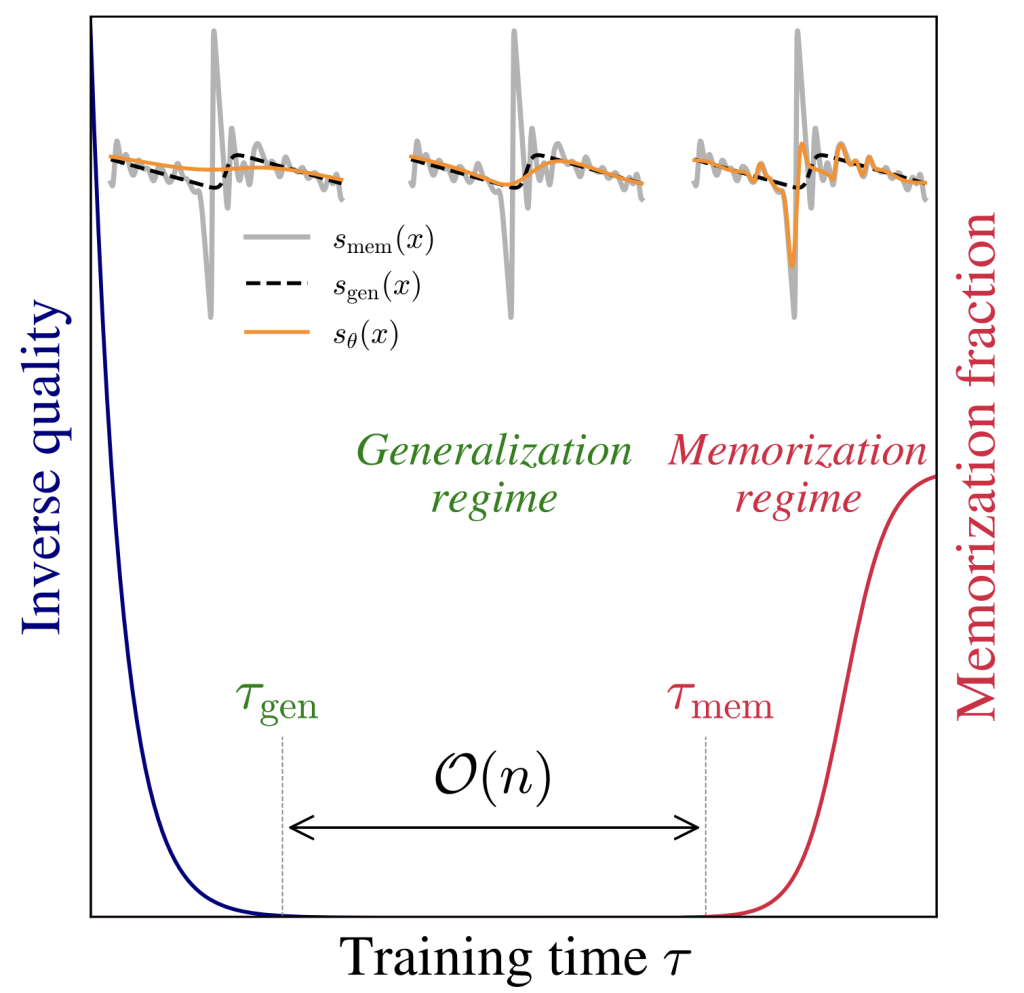
A study conducted by Tony Bonnaire (IAS, CNRS & Université Paris-Saclay) with Raphaël Urfin and Giulio Biroli (ENS Paris, CNRS & PSL) and Marc Mézard (Bocconi University) sheds new light on a central question in generative AI research: how diffusion models—the key technology behind modern generative AI—manage to generalize effectively before memorizing the data on which they are trained.
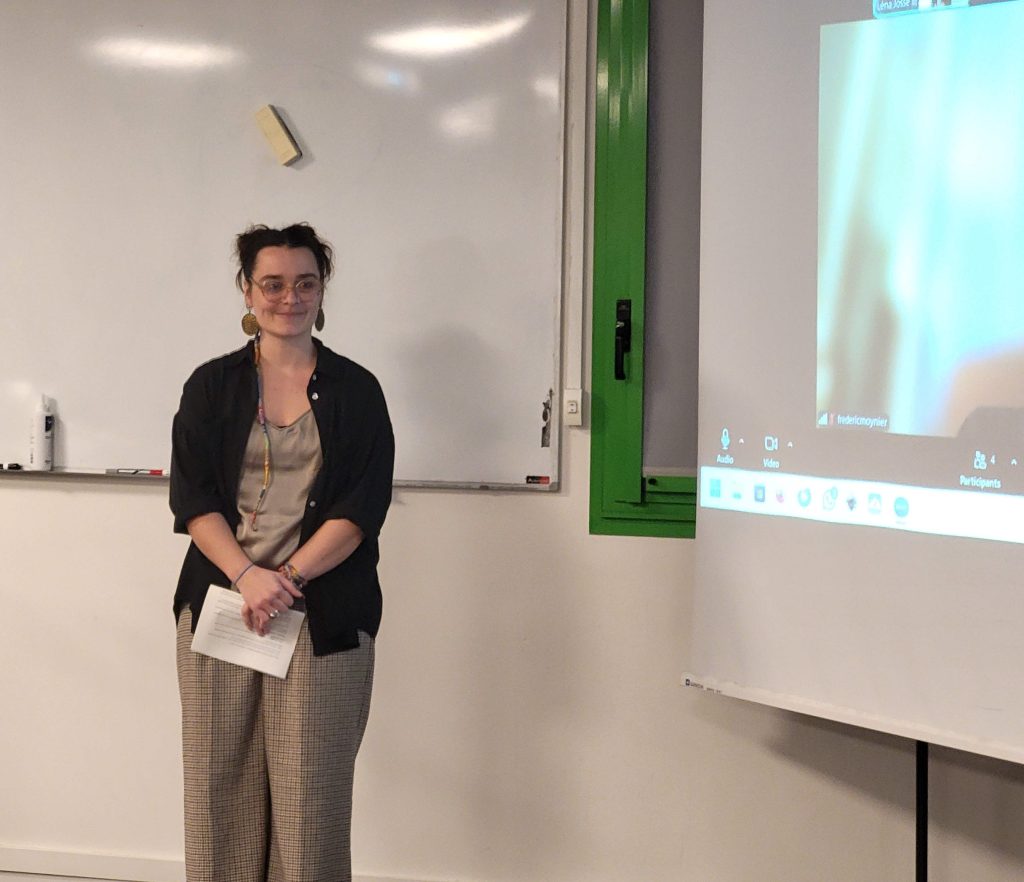
Léna Jossé, a member of the Astrochemistry and Origins team, successfully defended her dissertation on December 4, 2025, on the topic “3D Detection of Mineralogical Assemblies Using SR-μXCT in a Sample from the Asteroid Ryugu: A Multi-Analytical Study of Their Formation and Evolution.”
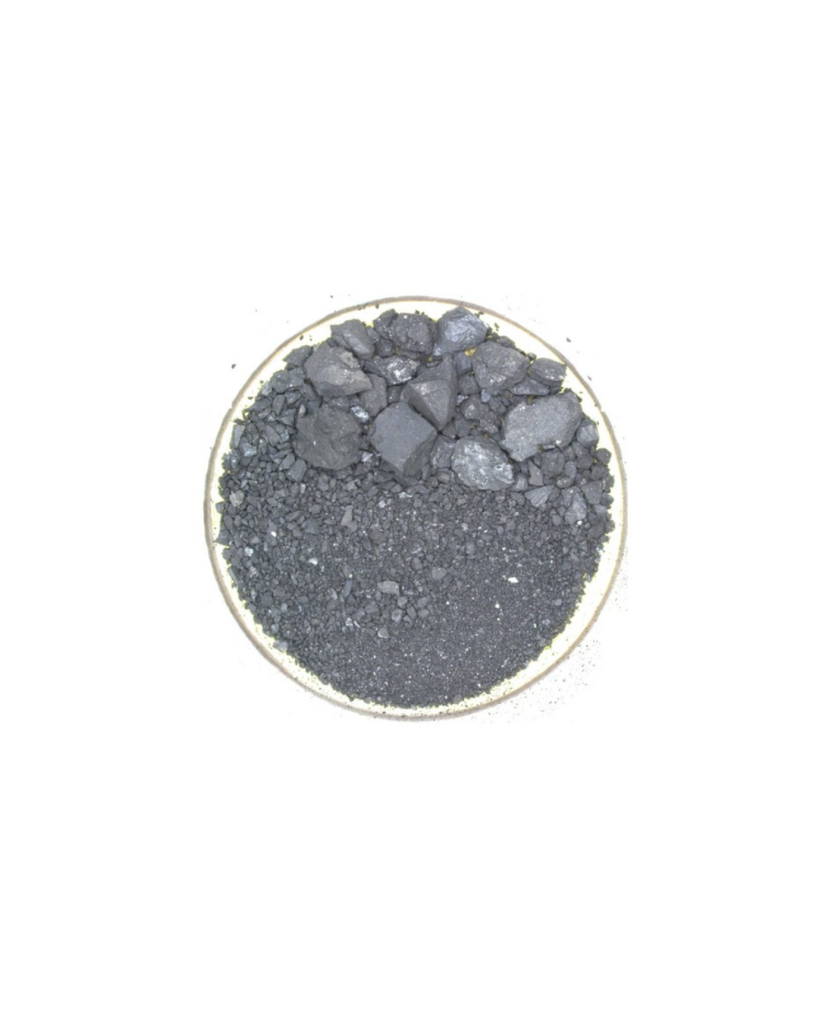
Carbonaceous asteroids are precious remnants of the Solar System’s formation 4.5 billion years ago.
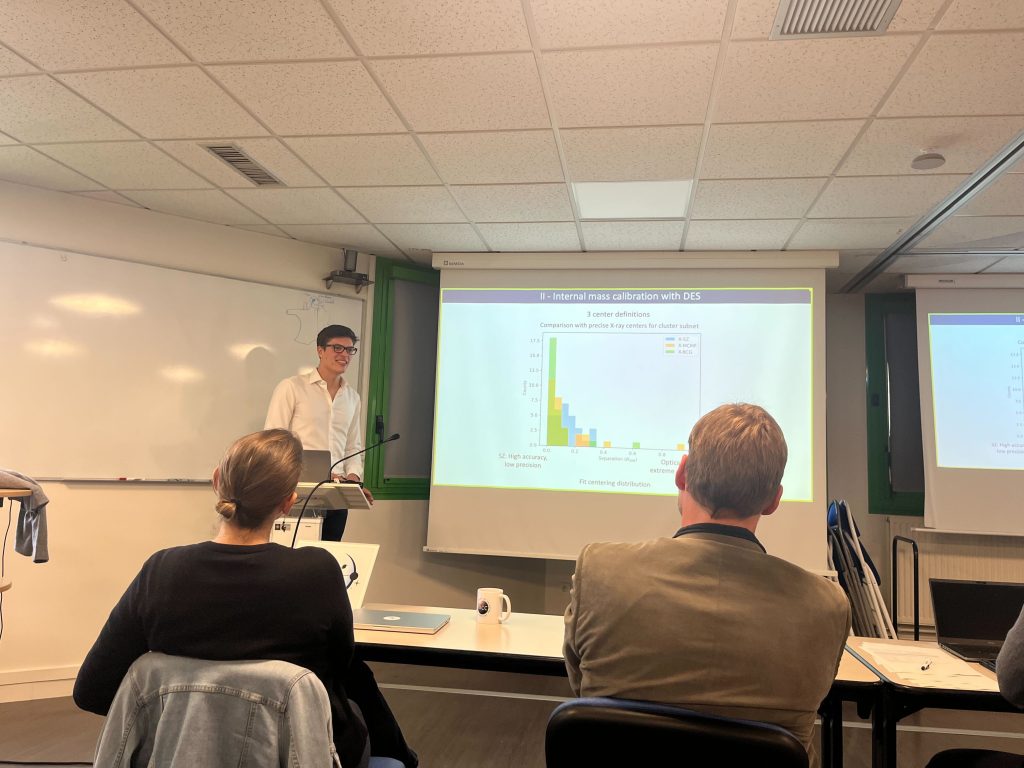
Gaspard Aymerich, a member of the Cosmology team, successfully defended his dissertation on cosmological information in the late Universe.
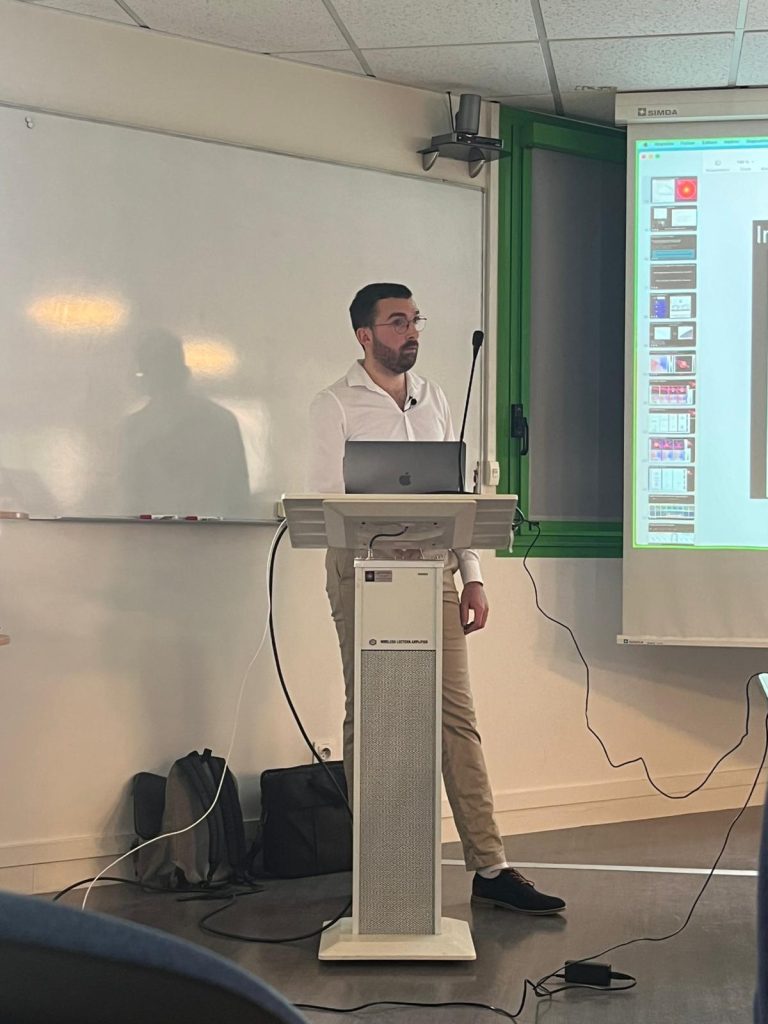
Théo Lebeau of the Cosmology team successfully defended his dissertation on the impact of physical processes in and around galaxy clusters. The dissertation was supervised by Nabila Aghanim (IAS) and Jenny Sorce (CRIStAL).
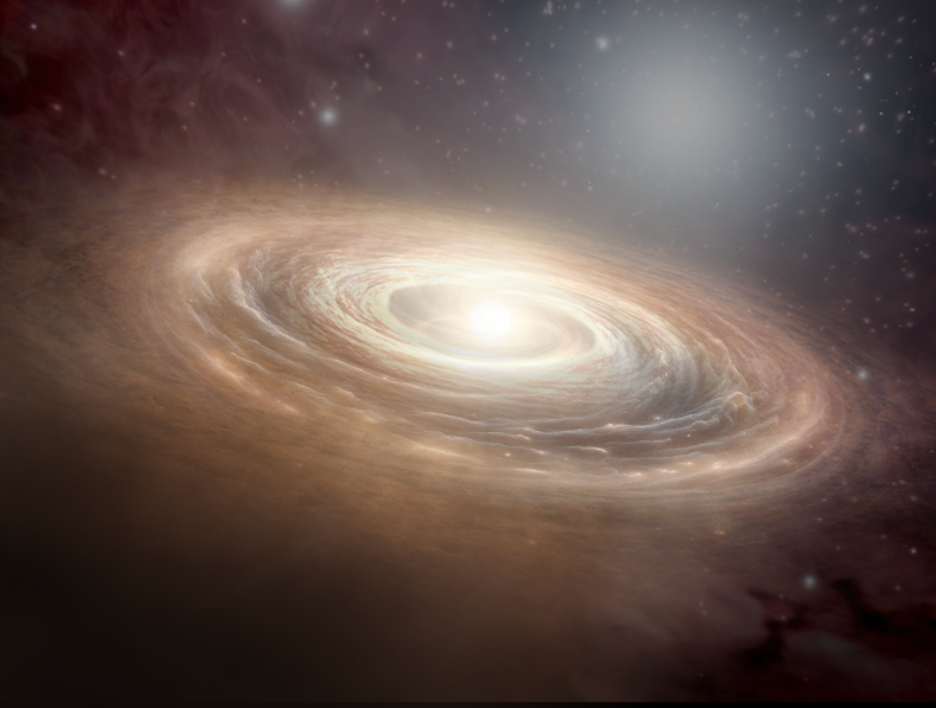
The AGE-PRO collaboration, which brings together astronomers from Europe, the Americas, and Asia, has revealed new constraints on the evolution of dust grains and gas in protoplanetary disks through an ambitious ALMA program targeting 30 disks.
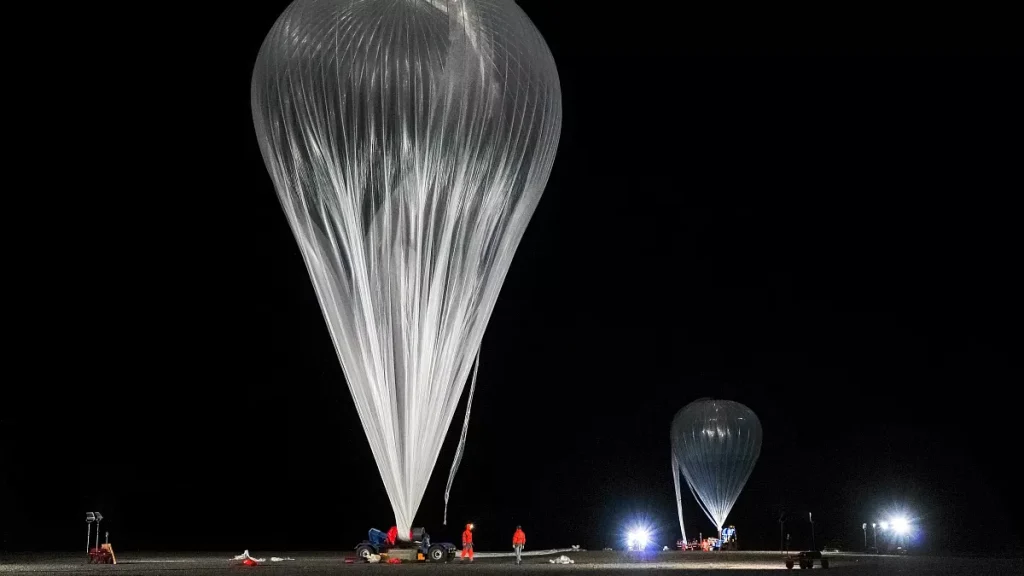
The balloon carrying the PILOT instrument was launched from the Timmins base in Canada at 9:00 p.m. (local time) on Sunday, September 20, 2015.