IAS to co-lead one of the first JWST observation programs
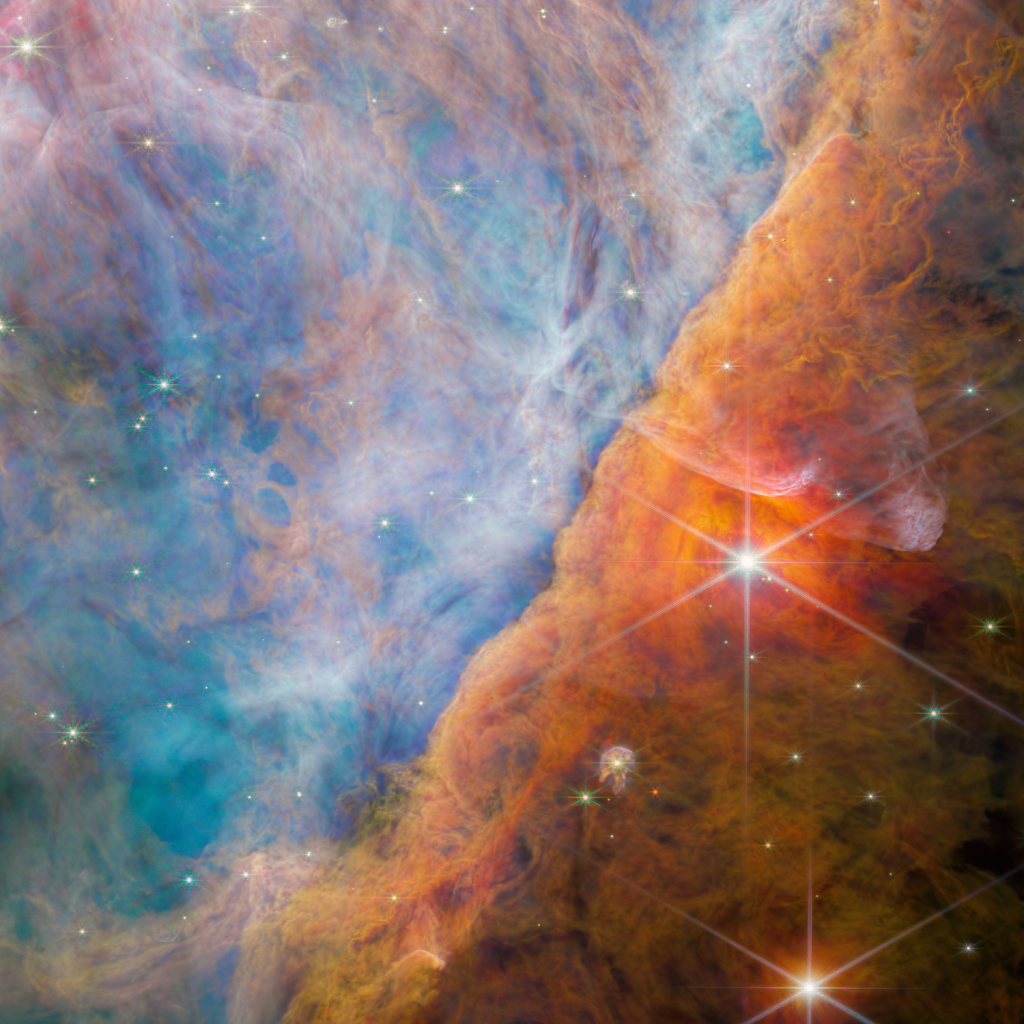
Through its mid-infrared observations, the James Webb Space Telescope (JWST) will revolutionize our understanding of the Universe.

Through its mid-infrared observations, the James Webb Space Telescope (JWST) will revolutionize our understanding of the Universe.
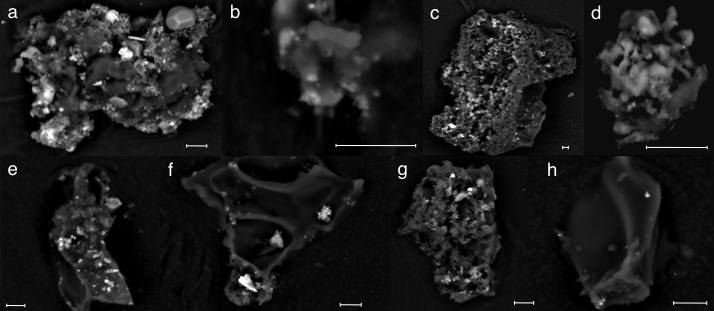
An interdisciplinary team of researchers from IAS, CSNSM, and the SMIS beamline at the SOLEIL synchrotron has conducted the first systematic laboratory study of organic matter originating from exceptional interplanetary dust particles known as Ultra-Carbonaceous MicroMeteorites (UCAMMs).
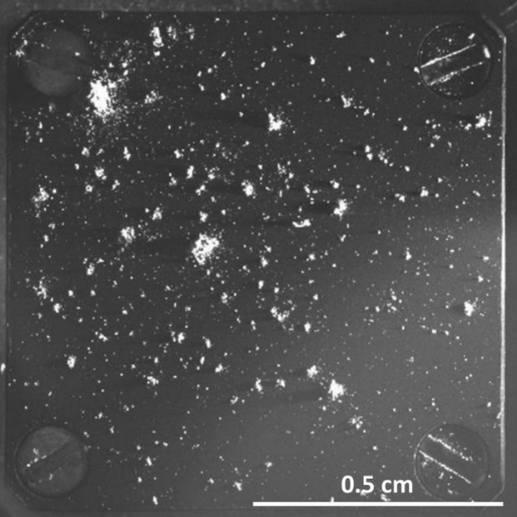
An international scientific team involving researchers from IAS has determined the elemental composition of dust from comet 67P/Churyumov-Gerasimenko, explored by the European Space Agency's Rosetta mission.
Yves Langevin, Exceptional Class Senior Emeritus Researcher, has been awarded the Runcorn-Florensky Medal by the EGU (European Geosciences Union).
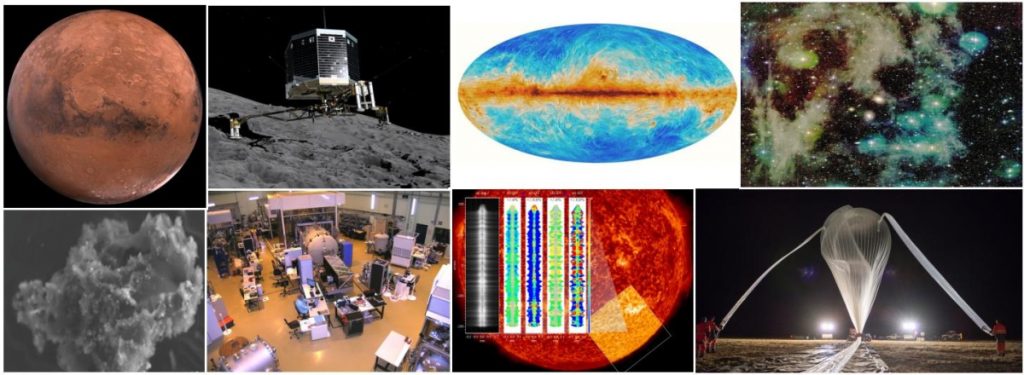
IAS is opening its doors for the 2017 edition of the Fête de la Science on Sunday, October 15.
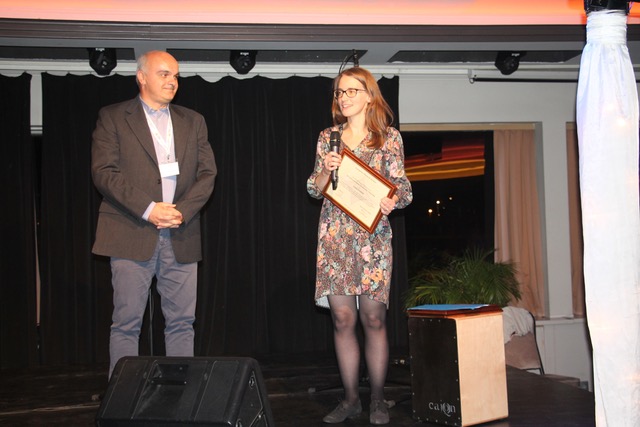
The European Solar Physics Division Prize Committee has awarded its 2017 PhD Thesis Prize to Clara Froment for her work at IAS on the coronal heating problem and the physical nature of long-period pulsations in coronal loops.
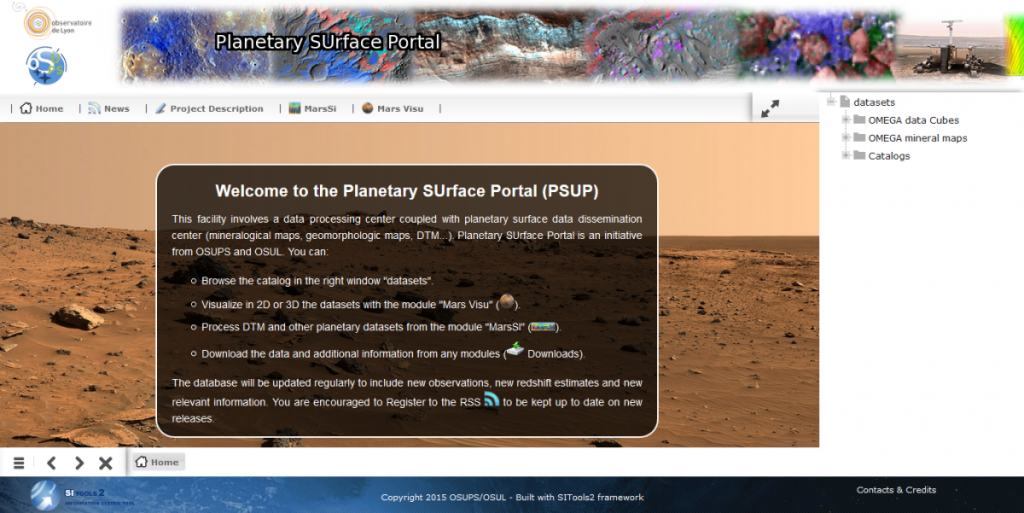
The PSUP (Pôle des SUrfaces Planétaires) service consists of a Martian surface data processing center coupled with a high-value-added data dissemination and visualization center.
The International Astronomical Union (IAU) has approved the naming of asteroid (20747) Tanialepivert in honor of Tania Le Pivert-Jolivet, a former PhD student at the Institute of Space Astrophysics (IAS) and currently a postdoctoral researcher at the Astrophysics Institute of the Canary Islands (IAC), for her contributions to the study of primitive asteroids.
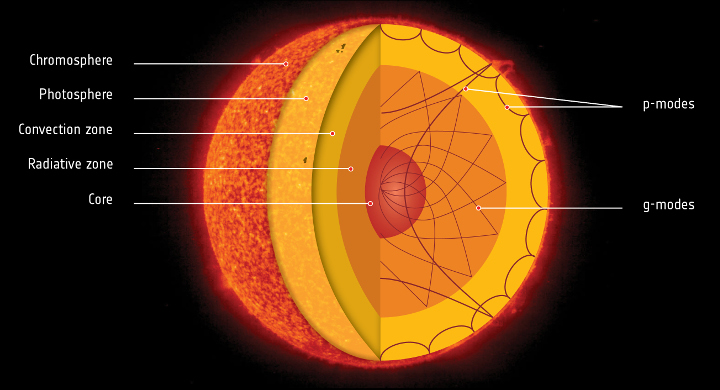
Data from the GOLF instrument on board the SOHO spacecraft (ESA and NASA) have enabled the first detection of gravity modes, seismic waves that carry the physical properties of the deepest solar layers.