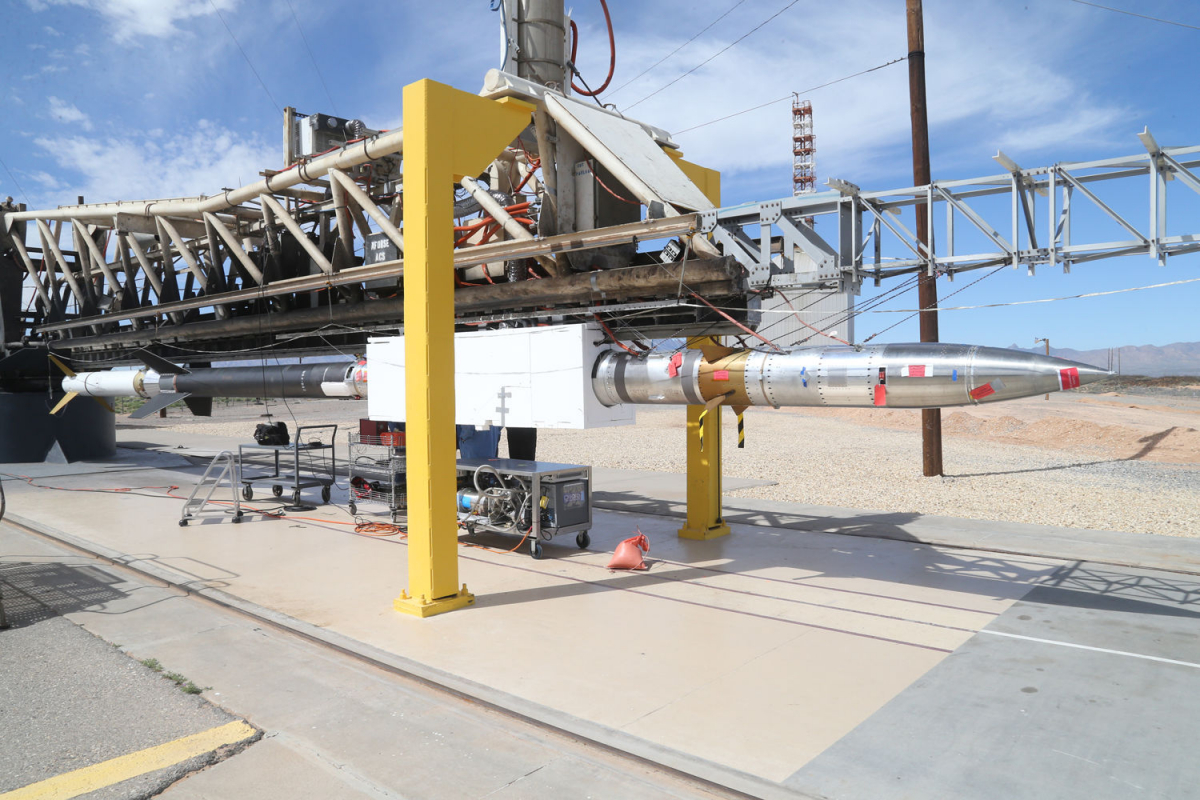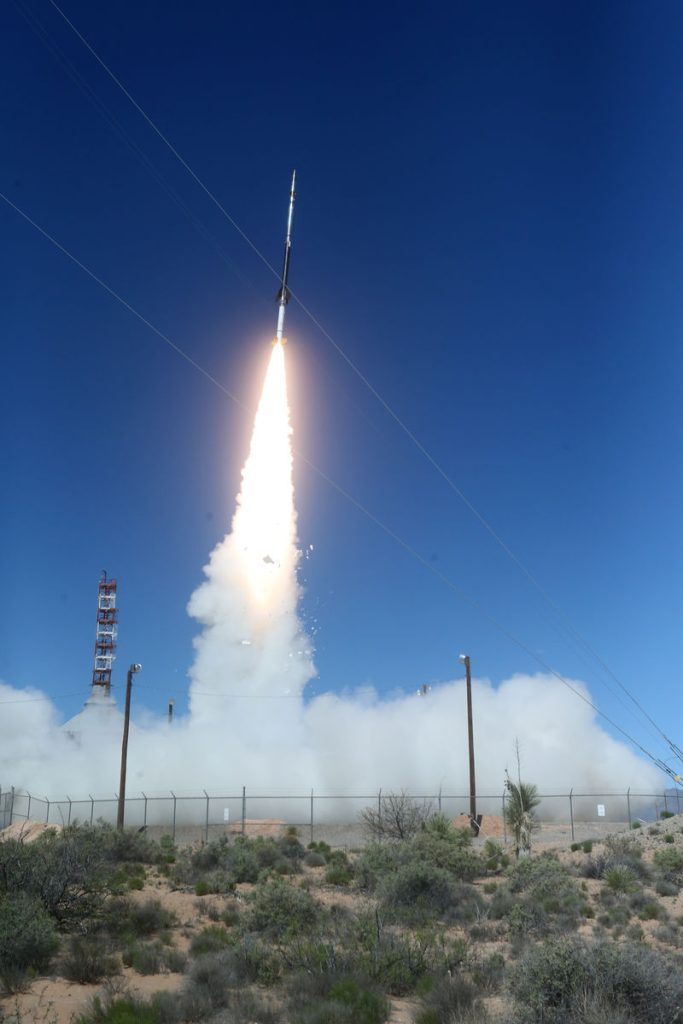
The IAS, which serves as co-PI (co-principal investigator) for the instrument, provided the initial optical design for the spectropolarimeter as well as the diffraction grating. The French instrumental developments were funded by the French National Center for Space Studies (CNES).
The instrument’s first flight in September 2015 led to significant advances by detecting, for the first time, the polarization of the Lyman-α line of neutral hydrogen (121.6 nm) in the chromosphere. This revealed the presence of the Hanle effect—a depolarization of light scattered by the corona caused by the magnetic field. For the second flight, the instrument was modified to observe the magnesium II doublet at 280 nm, which allows for the measurement of weaker magnetic fields.
The magnetic field in the solar atmosphere (chromosphere and corona), although it dominates the physical processes occurring there, is currently understood primarily through extrapolations from the magnetic field measured in the photosphere. CLASP’s observations make it possible to measure the magnetic field directly in the upper layers of the solar atmosphere, thereby opening the way to a new field of study.