
RESEARCH QUESTIONS
What is the role of astrochemistry?
- Dust cloud: Raw material originating from the interstellar medium (ISM), composed of gas and solid grains.
- Protoplanetary disk: A rotating disk of gas and dust surrounding a young star, where planetesimals (the building blocks of planets) form.
- Formation of the Sun and planets: Unaggregated fragments (meteorites, asteroids, comets) serve as archives of this era, preserving traces of the chemical and physical processes that shaped our solar system.
Key research areas
- Origin, composition, and evolution of extraterrestrial solids: Study of dust, ices, meteorites, and other materials to understand their formation and transformation.
- Solid evolution processes: From their formation in the interstellar medium (ISM) to their incorporation into small bodies of the solar system, focusing on physicochemical and mineralogical compositions.
Methodologies
To study extraterrestrial matter, researchers employ a multidisciplinary approach:
- Experimental simulation: Laboratory reproduction of space conditions (extreme temperatures, radiation, vacuum) to understand underlying chemical and physical processes.
- Analysis of extraterrestrial matter: Direct study of meteorites, cometary grains, and asteroid samples to determine their composition and structure.
- Comparison of laboratory data with space observations: Validation of theoretical models using empirical data gathered by space missions or telescopes.
Resources and equipment
To analyze extraterrestrial matter, researchers utilize several advanced techniques:
Infrared spectroscopy:
Used to establish a direct link with observational data, operating within the same wavelength range. This technique is highly sensitive to chemical bonds (such as HOH, NO, etc.), enabling the identification of specific molecules. Advantage: It is non-invasive, although sample preparation remains an option.
Location: SOLEIL Synchrotron.Raman spectroscopy:
Specifically designed for detecting organic matter in extraterrestrial samples.
Location: Laboratory.Electron microscopy:
Transmission: Enables the study of the atomic structure of samples (amorphous or crystalline).
Scanning: Provides an elemental composition analysis of materials.
Location: Laboratory.
Infrared hyperspectral imaging:
Each pixel in the image corresponds to a complete spectrum, providing a detailed chemical mapping of the sample.
Flagship projects
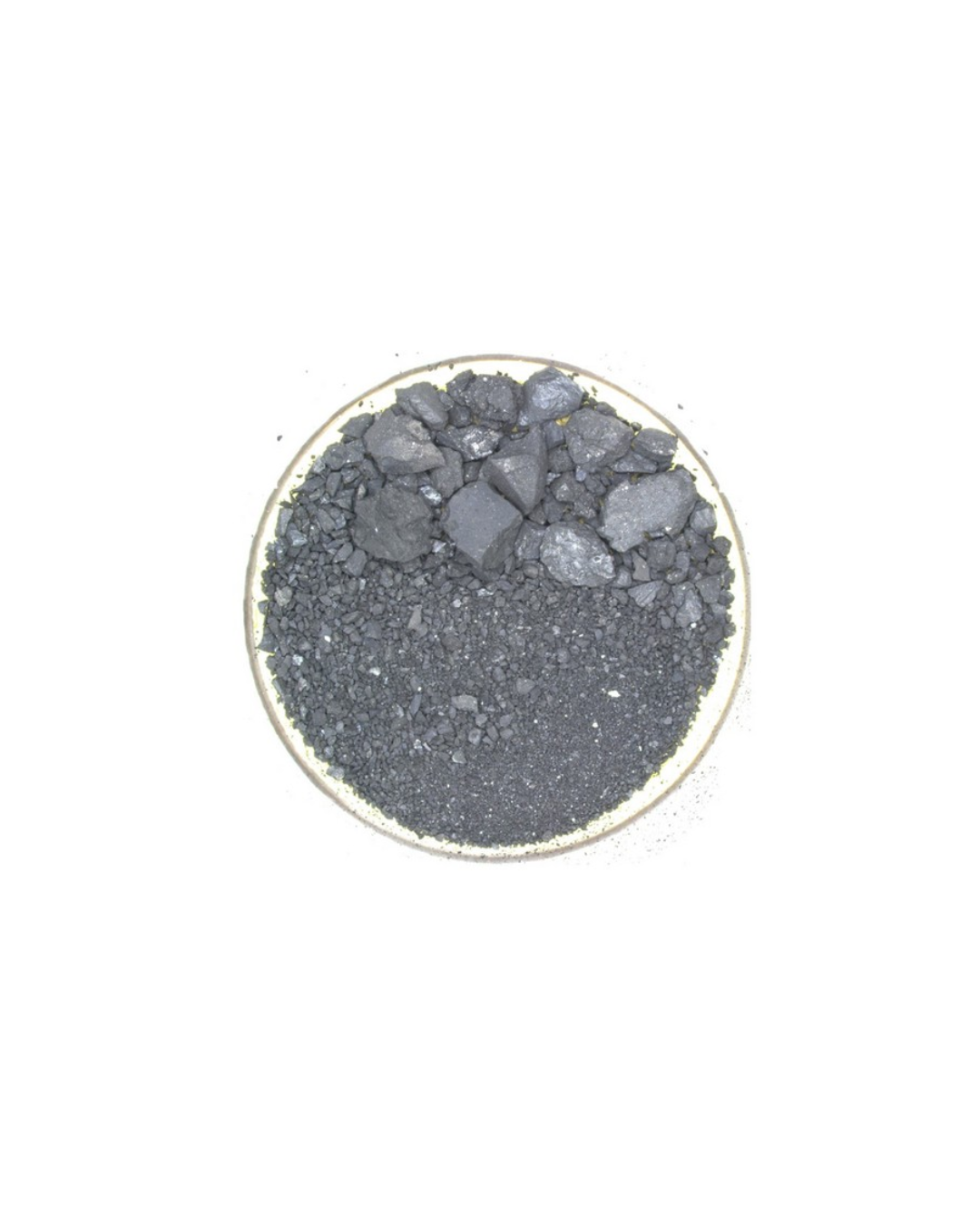
- Objective: Study the Ryugu asteroid, a primitive object of the solar system.
- Achievements :
- Sample collection of extraterrestrial material.
- Return to Earth of samples for laboratory analysis.
- Discoveries: Chemical and mineralogical composition revealing clues about the origin of life and planetary formation.
- Objective: Understand solar wind irradiation of unprotected surfaces in the solar system.
- Key Issue: Study how the solar wind (flux of charged particles) alters the chemical composition and structure of exposed materials.
Scientific Role
- Witnesses to Solar System Formation: Meteorites and asteroids serve as time capsules containing information on the first million years of our solar system (excluding planets).
- Clues to the Origin of Water and Life on Earth: Was water delivered via wet or dry accretion? (following the formation of Earth by comets or asteroids).
- Understanding Universal Processes: How did matter organize to give rise to planets and, potentially, life itself?