The Institute of Space Astrophysics (IAS) is a joint research unit of the CNRS and Paris-Saclay University (UMR8617).
The laboratory employs 131 people at the Orsay site (Essonne).
The IAS is part ofthe Paris-Saclay University Observatory of Universe Sciences (OSUPS).
Research Topics
The laboratory's research topics cover a broad spectrum of the space sector:
- The Sun, the planets of the solar system, and exoplanets
- Extraterrestrial matter and interstellar matter
- Galaxies
- Cosmology
Technical Activities
The laboratory has a strong focus on technical activities in the field of space instrumentation, as well as a significant R&D program.
The IAS also conducts laboratory research in experimental astrochemistry focusing on extraterrestrial and interstellar solid matter and its evolution in relation to astronomical observations. Finally, one of the IAS teams is developing experiments to detect dark matter using massive bolometers.
The platforms
A Calibration Station for Space Instruments
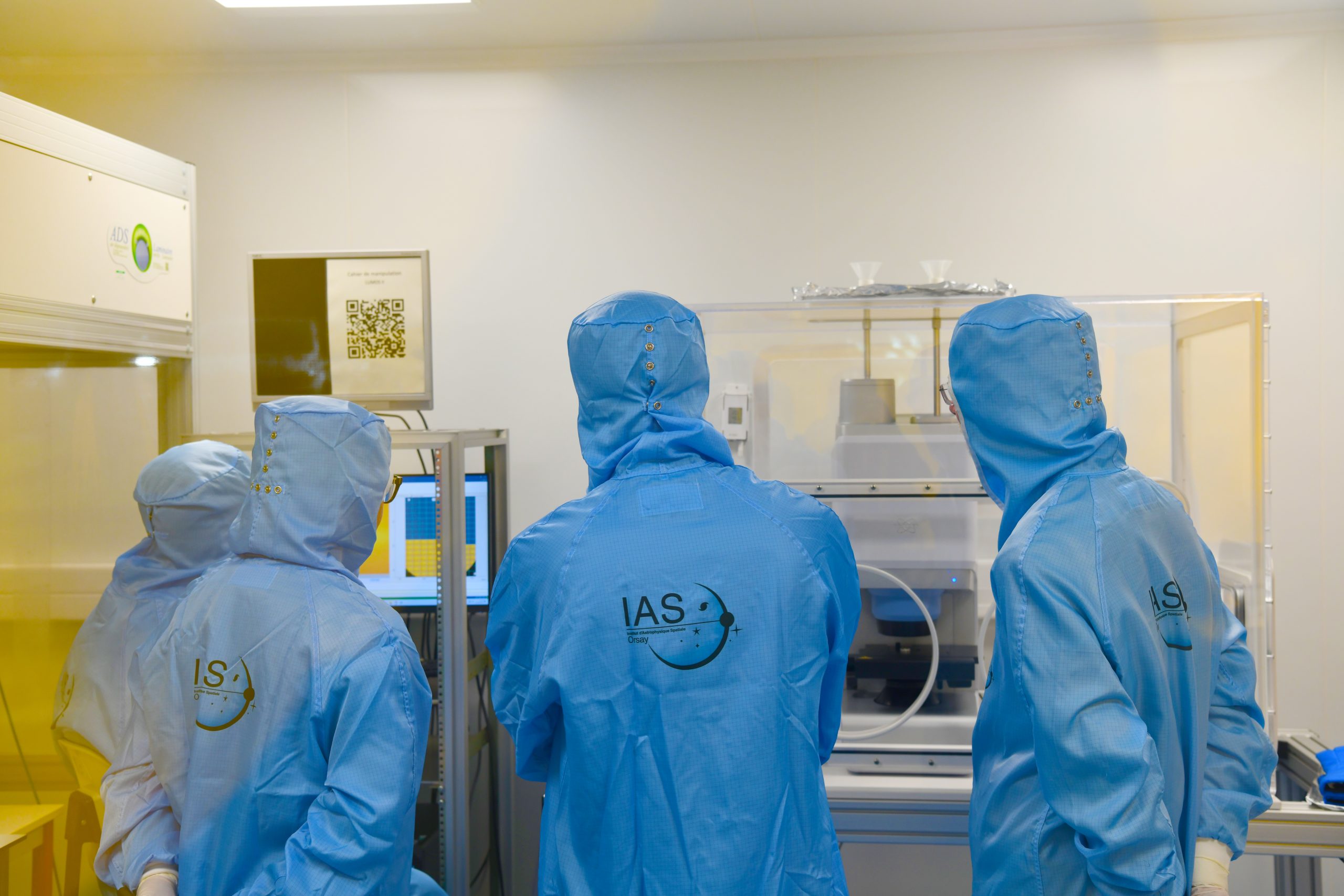
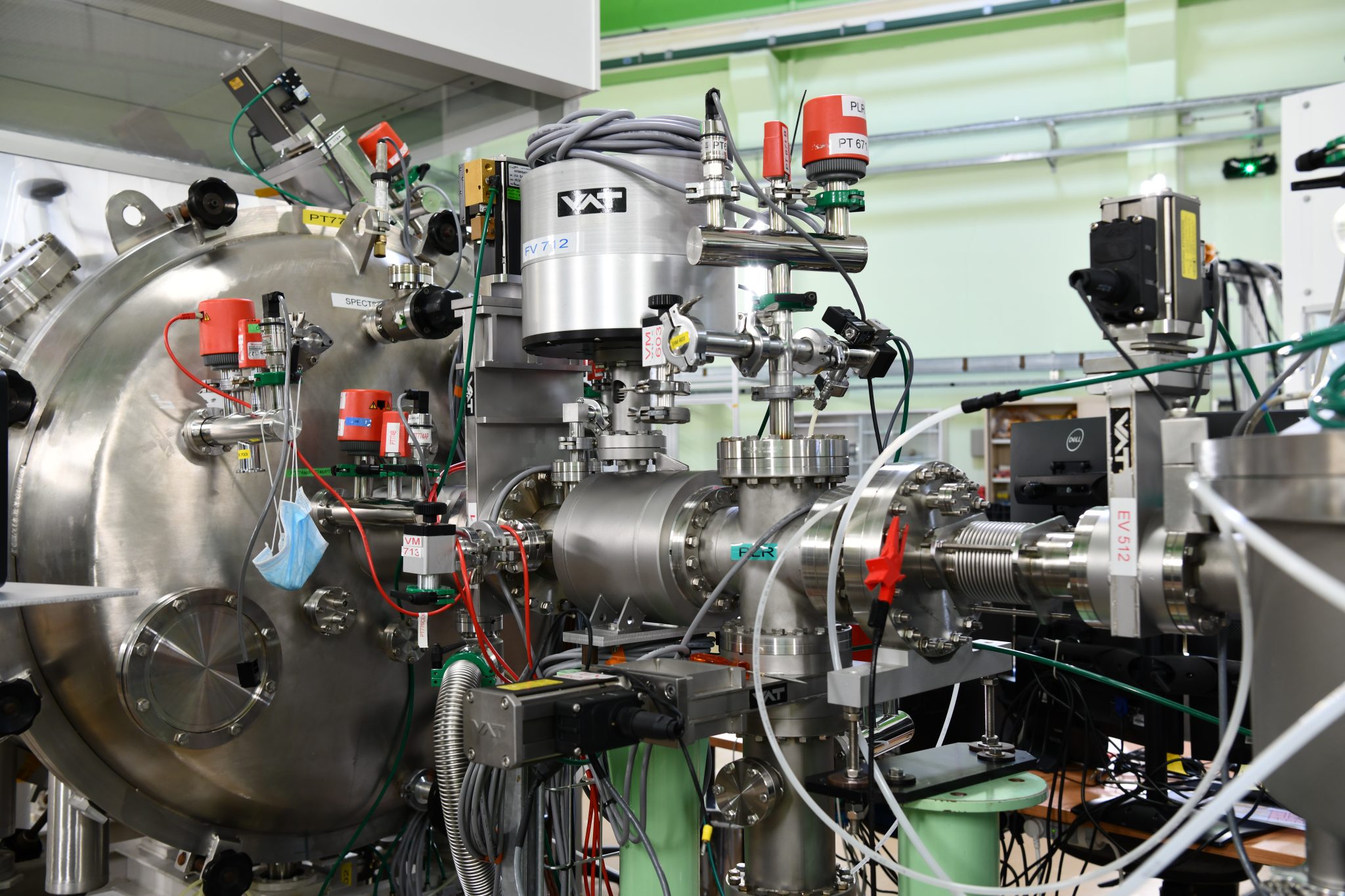
The IAS manages a national facility: the space experiment calibration station. In a controlled-cleanliness environment, it houses a set of space simulators designed for instrument calibration, as well as space environment testing capabilities. In addition, in collaboration with the CEA, the IAS is participating in a space simulator project at the SOLEIL synchrotron.
A Space Data Center: Operations, Analysis, and Archiving ( IDOC)
The IAS Space Data and Operations Center ( IDOC) manages certain operations for the SoHO solar mission, the Mars Express mission, and, in the near future, the Planck cosmology mission. It also provides data analysis, archiving, and access to data for the national and international communities involved in the missions to which the laboratory has contributed.
Education and Training
The IAS is heavily involved in physics instruction at the bachelor’s and master’s levels. It participates in three doctoral programs, as well as in master’s and post-master’s courses. The laboratory has been involved in career-oriented education for many years and actively participates in the “Outils” master’s program at Paris-Saclay University.
The laboratory hosts several dozen interns each year (from technical colleges, bachelor’s programs, master’s programs, and engineering programs). Between 1990 and 2005, it trained 85 French and international doctoral students through research and for research.
Key Partners
The Institute is a key partner for national (CNES) and international (ESA, NASA, JAXA) space agencies and works with numerous industrial partners (Thales-Alenia, Air Liquide, Airbus).
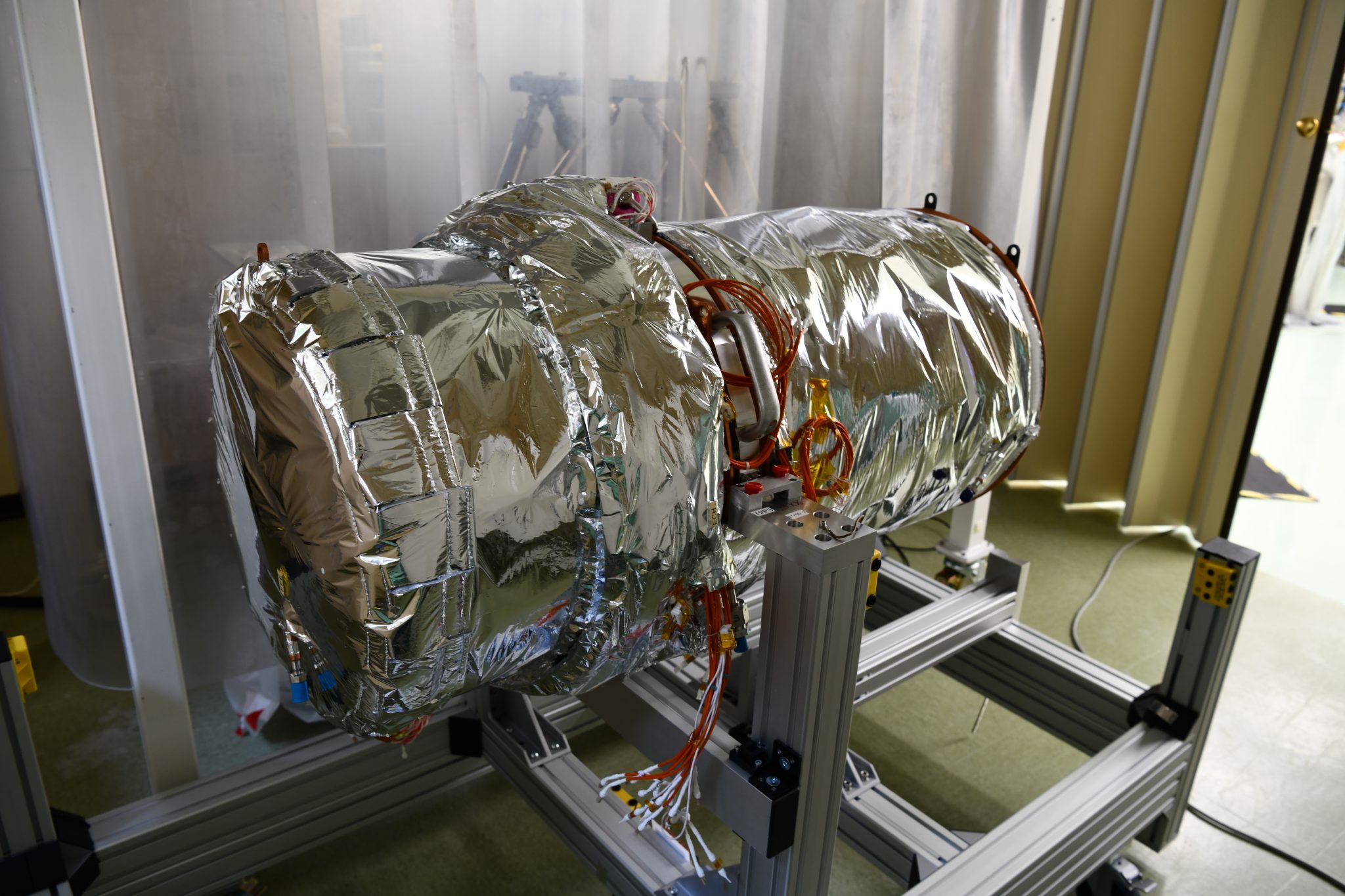
The IAS’s scientific and technical teams design and analyze data from instruments on space missions in the field of astronomy conducted by CNES, ESA, and, on occasion, NASA. Several space projects may be carried out simultaneously: the laboratory oversees the development of the instruments, tests them, and characterizes their performance. To this end, it has significant technical resources at its disposal.
Space Missions
The laboratory has made major contributions to one or more of the instruments on ESA missions—solar (SoHO) and planetary (Mars Express, Cassini-Huygens, Rosetta)—and contributes to NASA missions such as STEREO. Among the missions currently under development, the CoRoT mission (CNES) studies the internal structure of stars and searches for extrasolar planets. The Planck cosmology mission (ESA) is one of the laboratory’s major projects, and the laboratory serves as the prime contractor for the main instrument.
Several projects are currently under development or being studied: solar physics missions, studies of Mercury and Mars, detection of signatures of biological activity in the atmospheres of exoplanets, and studies of the early Universe. R&D activities are being conducted in preparation for these various missions.